Mental Hygiene in a Violent Culture: A Holistic View of Media Conditioning

In a world saturated by screens, we’ve grown increasingly comfortable with fiction and disturbingly detached from reality. Hollywood and the broader entertainment industry have mastered the art of storytelling. But in doing so, they’ve also shaped belief systems, numbed emotional sensitivity, and altered the way people perceive violence, trauma, and even the value of life itself.

Television and film often depict firearms and violence with dramatic flair. Police officers re-holster their weapons carelessly, never checking to see if clothing or gear might catch the trigger, something that, in real life, could end in a tragic accident. Striker-fired firearms are shown making mechanical “cocking” sounds they don’t make. Characters rack their slides as if they didn’t already have a round chambered, an absurd notion in any tactical reality. These stylistic choices aren’t just errors; they are illusions that condition audiences, especially those with no firsthand experience, to misunderstand basic truths about safety, readiness, and consequences. These aren’t just cinematic tropes. They are forms of social psychological conditioning.

It doesn’t stop at guns. In the world of TV and movies, violence is almost romanticized. Characters get shot multiple times and continue fighting as if pain and blood loss were minor inconveniences. Others are beaten senseless, only to rally with a defiant quip. No one suffers hearing damage from repeated gunfire in enclosed spaces. No one shows the tremors, the dissociation, or the collapse that often follows real trauma. Instead, they move on, undamaged, both physically and emotionally.

And therein lies one of the most disturbing consequences of modern media: Desensitization.

We’ve reached a point where viewers can witness a character suffering what would be a fatal injury in real life and feel nothing. Not because they’re cold-hearted, but because the medium has trained them not to feel. Life on screen resets with the next episode. A person shot or killed vanishes into the storyline with little more than a dramatic soundtrack and a fade to black.

But in real life, death doesn’t come and go that easily. When someone dies, whether it’s a law enforcement officer, a civilian, or even someone who committed a crime, a ripple effect spreads. Families grieve. Communities are shaken. Colleagues carry guilt and trauma. Witnesses replay events in their minds for years. The emotional, spiritual, and psychological consequences last long after the physical event has ended.

Hollywood doesn’t show this. It rarely shows the tears of a mother, the PTSD of a survivor, the hollow silence in a family’s home. It doesn’t explore the real-life breakdowns, the isolation, or the long path of emotional recovery. And so, people lose touch, not just with how trauma actually works, but with the value of life itself.

This disconnection is one of the greatest threats to modern wellness. Because true wellness is not just physical, it’s emotional, mental, and moral. It means feeling deeply. It means recognizing the weight of a life, even a fictional one. It means resisting the urge to become numb just because society finds comfort in distraction.

We are witnessing a cultural side effect of prolonged exposure to stylized violence: a loss of reverence for human life. It’s not enough to simply say “it’s just entertainment.” When entertainment becomes education, as it so often does, we must question what we are being taught. And what we are unconsciously absorbing. This is where social psychology and holistic wellness intersect. We are not just bodies reacting to the world. We are minds and hearts shaped by it. When the culture around us numbs our response to suffering, we lose our connection to empathy, discernment, and truth.

Holistic health isn’t just about food, exercise, or stress. It’s about awareness. Emotional, mental, spiritual. It’s the ability to stay awake in a world that lulls us to sleep through entertainment. It’s seeing through the illusion, and reclaiming our human response to life, death, and everything in between.

So let’s start noticing what we’re being shown. Let’s teach our young people that not everything on screen is real or right. Let’s cultivate empathy, emotional intelligence, and the courage to feel deeply in a culture that tells us to feel nothing.

We must reconnect as holistic practitioners, wellness seekers, and aware human beings. We must pull back from the illusion and sit in the truth: trauma is not glamorous. Violence is not clean. Death, no matter whose it is, is not an empty plot device.

So, let’s start by protecting not just our bodies, but our minds and hearts. Let’s choose awareness over apathy, and discernment over blind acceptance. Let’s challenge the stories we’re fed and hold space for the reality they often ignore. Because if we don’t, we risk becoming a society that feels nothing when life is lost. And that, more than any special effect, is the real tragedy.

I look forward to further sharing more of my message by partnering with hospitals, wellness centers, VA centers, schools on all levels, businesses, and individuals who see the value in building a stronger nation through building a healthier population.

I also have hundreds of FREE education video classes, lectures, and seminars available on my YouTube channel at:

https://www.youtube.com/c/MindandBodyExercises

Many of my publications can be found on Amazon at:

http://www.Amazon.com/author/jimmoltzan

My holistic health blog is available at:

https://mindandbodyexercises.wordpress.com/

http://www.MindAndBodyExercises.com

Mind and Body Exercises on Google: https://posts.gle/aD47Qo

Jim Moltzan

407-234-0119

Finding Your Own Way

Reflections on High-Control Groups, Personal Autonomy, and the Wisdom of Distance

I spent years navigating high-control and closed groups from the inside. Not as an observer, not as a researcher, but as a participant, fully immersed in the culture, the expectations, the social pressures, and the belief systems that held everything together. At the time, much of what surrounded me felt normal. Some of it felt necessary. Some of it even felt virtuous. It wasn’t until years after leaving that I began to see things differently.

Distance does something that argument never can. It creates space for honest reflection. Not the kind shaped by group consensus, but the kind that emerges quietly when you are no longer surrounded by voices telling you what to think. What once appeared as guidance began to look more like control. What once felt like community began to reveal itself as something more conditional. These realizations didn’t arrive all at once. They came slowly, in layers, the way most genuine understanding does.

The Warrior Knows When Not to Fight

In martial philosophy, one of the harder lessons is learning which battles are not yours to wage. The Warrior does not engage every conflict simply because he is capable of doing so. Discernment or knowing when to act and when to stand aside, is itself a form of mastery. I learned this the hard way when it came to people still inside the groups I had left.

For a time, I believed that sharing what I had seen, what I had experienced, and what I had come to understand would somehow be enough to open another person’s eyes. It wasn’t. Human beings do not abandon deeply held beliefs, social identities, long-standing friendships, or community belonging simply because someone on the outside presents them with a different perspective. If anything, unsolicited persuasion tends to do the opposite, it pushes people deeper in. The Warrior eventually learns that some doors can only be opened from the inside.

Culture or Cult? The Question Itself Deserves Humility

Here is something worth sitting with: the line between what we call a culture and what we call a cult is rarely as clear as critics or defenders would like to believe. There may well be objective indicators worth examining, such as coercive control, exploitation, manipulation, the systematic suppression of critical thinking. Those things are real and they matter. But individuals within any group experience that group differently. What one person finds restrictive, another finds stabilizing. What one person experiences as control, another experiences as guidance. What looks like isolation from the outside may feel like belonging from within. Who am I, or who is anyone, to draw that line definitively for another person?

The Scholar in me wants to analyze, categorize, and conclude. But the longer I have lived, the more I appreciate that human experience does not submit neatly to outside analysis. People are not waiting to be correctly classified. They are living out their own stories, shaped by their own histories, values, and needs.

Autonomy Is Not Indifference

Recognizing that I cannot and should not direct another person’s choices does not mean turning a blind eye to harm. There is a meaningful difference between respecting autonomy and practicing indifference. If someone asks about my experiences, I will share them honestly. If someone expresses doubts or seeks perspective, I am willing to offer what I have learned through years of involvement and subsequent reflection. Questions that encourage critical thinking have genuine value. Listening when someone is ready to talk has even more.

But there is a significant difference between making yourself available and appointing yourself as someone else’s liberator. The first respects the other person. The second, however well-intentioned, does not.

The Sage understands that sustainable transformation rarely arrives through force or persuasion. It arrives when an individual reaches their own conclusions through lived experience, honest reflection, and the gradual development of personal discernment.

What Discernment Actually Looks Like

Discernment is the capacity to evaluate information honestly, examine your own assumptions, and make decisions that align with your actual values, not the values you have been told to hold.

It is not something that can be handed to another person. It is cultivated over time, through experience, through difficulty, and sometimes through loss. My role, as an educator and as someone who has walked this particular road, is not to replace one authority with another. It is not to swap one belief system for a competing belief system. It is simply to help people think for themselves and then to respect whatever conclusions they reach.

Some individuals who remain within high-control groups will eventually find their way out when the time is right for them. Others may conclude that remaining serves their needs. Both of those outcomes are theirs to own. Neither belongs to me.

A Final Thought

Perhaps the deepest lesson I have taken from all of this is not about high-control groups at all. It is about the nature of change itself. Real change that is lasting, and meaningful, does not come from the outside in. It comes from the inside out. It comes when a person is ready, when their own experience has prepared them, and when their own moral compass points them toward a new direction.

Until that moment arrives for someone, the most honest and respectful thing any of us can offer is this: our experience when it is asked for, our perspective without force, and our genuine respect for another person’s right to find their own way forward.

The Hypertension Gap: Numbers vs. Behavior

A Holistic Examination of Blood Pressure, Lifestyle, and Modern Healthcare

A Growing Diagnosis

Hypertension, or high blood pressure, has become one of the most commonly diagnosed conditions in modern healthcare. Following updated guidelines from the American College of Cardiology and American Heart Association, nearly half of American adults are now classified as hypertensive (Whelton et al., 2018).

This dramatic increase did not arise from a sudden decline in national health, but rather from a redefinition of the diagnostic threshold, lowering the standard from 140/90 mmHg to 130/80 mmHg.

While this change aims to promote early detection and prevention, it raises an important question:

Are we treating the underlying causes of hypertension—or simply managing the numbers?

The Clinical Reality: Managing Risk

From a conventional medical standpoint, hypertension is a serious and well-documented risk factor for:

  • Cardiovascular disease
  • Stroke
  • Kidney dysfunction
  • Cognitive decline

The landmark SPRINT trial demonstrated that more aggressive blood pressure control could reduce cardiovascular events and mortality (SPRINT Research Group, 2015).

As a result, physicians are trained to act decisively. Elevated reading often leads to:

  • Monitoring
  • Follow-up visits
  • Pharmacological intervention

This approach is rooted in risk reduction, and not necessarily in neglect.

The Missing Conversation: Lifestyle Factors

Despite clear evidence supporting lifestyle modification as a first-line intervention, many patients report that the following factors are minimally addressed, or overlooked entirely:

  • Sedentary behavior
  • High sodium intake
  • Ultra-processed food consumption
  • Chronic stress
  • Poor sleep patterns

Research consistently demonstrates that lifestyle changes can significantly reduce blood pressure:

  • Regular physical activity: ↓ 5–8 mmHg
  • Sodium reduction: ↓ 5–6 mmHg
  • Weight loss: substantial reductions depending on baseline
  • Stress management: measurable improvements in autonomic regulation (Brook et al., 2013)

Yet in many clinical encounters, these interventions are not emphasized with the same urgency as medication.

Why the Gap Exists

The disconnect between ideal care and real-world practice is not always a matter of negligence, it is often systemic.

1. Time Constraints

Most physicians operate within brief appointment windows, limiting their ability to provide detailed lifestyle counseling.

2. Reimbursement Models

Healthcare systems tend to reward:

  • Prescriptions
  • Procedures

More than:

  • Preventive education
  • Behavioral coaching

3. Training Limitations

Medical education has historically emphasized:

  • Pathology
  • Pharmacology

While offering limited training in:

  • Nutrition
  • Exercise science
  • Stress physiology

4. Behavioral Reality

Sustainable lifestyle change is difficult. Physicians may default to medication because it offers a predictable and immediate effect, whereas behavioral change requires time, effort, and patient adherence.

The Pharmaceutical Question

It is reasonable to question whether expanded diagnostic criteria increase the number of individuals exposed to pharmaceutical treatment.

However, data suggests a more nuanced picture:

  • While hypertension prevalence increased significantly,
  • The proportion of individuals recommended for medication rose more modestly (Muntner et al., 2018)

Still, the broader concern remains valid:

When diagnosis expands, so too does the potential for medical intervention. This creates a tension between preventive care and over-medicalization.

A Holistic Perspective: Beyond the Numbers

From a holistic health standpoint, blood pressure is not merely a number. It is an expression of systemic balance.

Elevated blood pressure may reflect:

  • Chronic sympathetic nervous system activation
  • Poor vascular elasticity
  • Metabolic imbalance
  • Emotional and psychological stress

In this context, hypertension is less a disease to suppress and more a signal to interpret.

Bridging the Divide

An effective approach to hypertension should not reject modern medicine, nor rely on it exclusively. Instead, it should integrate both perspectives:

When Medication Is Appropriate

  • Persistent hypertension despite lifestyle efforts
  • High cardiovascular risk
  • Advanced age with comorbidities

When Lifestyle Must Lead

  • Early-stage hypertension (130–139 / 80–89)
  • Sedentary individuals
  • Diet-related contributors
  • Stress-driven elevations

The Responsibility of the Individual

One of the most important, yet often overlooked, truths is this:

No medication can fully compensate for a lifestyle that promotes disease.

Sustainable health requires:

  • Daily movement
  • Thoughtful nutrition
  • Stress management
  • Sleep hygiene
  • Self-awareness

These are not quick fixes. They are disciplines.

In conclusion, we must strive to close the gap.The rise in hypertension diagnoses reflects both advances in medical understanding and limitations in how care is delivered.

While medications play an important role, they should not become a substitute for addressing the root causes of dysfunction.The true solution lies in closing the gap between:

  • Numbers and behavior
  • Treatment and education
  • Intervention and prevention

In doing so, we move toward a model of health that is not only reactive, but restorative, responsible, and sustainable.

References

Brook, R. D., Appel, L. J., Rubenfire, M., Ogedegbe, G., Bisognano, J. D., Elliott, W. J., … Rajagopalan, S. (2013). Beyond medications and diet: Alternative approaches to lowering blood pressure. Hypertension, 61(6), 1360–1383. https://doi.org/10.1161/HYP.0b013e318293645f

Muntner, P., Carey, R. M., Gidding, S., Jones, D. W., Taler, S. J., Wright, J. T., & Whelton, P. K. (2018). Potential US population impact of the 2017 ACC/AHA high blood pressure guideline. Circulation, 137(2), 109–118. https://doi.org/10.1161/CIRCULATIONAHA.117.032582

SPRINT Research Group. (2015). A randomized trial of intensive versus standard blood-pressure control. New England Journal of Medicine, 373(22), 2103–2116. https://doi.org/10.1056/NEJMoa1511939

Whelton, P. K., Carey, R. M., Aronow, W. S., Casey, D. E., Collins, K. J., Dennison Himmelfarb, C., … Wright, J. T. (2018). 2017 ACC/AHA guideline for the prevention, detection, evaluation, and management of high blood pressure in adults. Hypertension, 71(6), e13–e115. https://doi.org/10.1161/HYP.0000000000000065

Is It Really Tai Chi? The Importance of Inquiry, Integrity, and Authenticity

Over the past several years, I have noticed an increasing number of martial arts schools and wellness instructors promoting their curriculum with demonstrations and videos titled “Tai Chi Form,” “Advanced Tai Chi,” or “Traditional Tai Chi.” As someone who has devoted approximately forty-five years to studying and practicing martial arts, qigong, dao yin, and 25 years of authentic Tai Chi, I often find myself asking a simple question:

Before discussing why this concerns me, I should acknowledge that I was once in a similar position myself. This is not intended as an insult or criticism of those genuinely trying to help others improve their health. Many instructors are sincere, compassionate people who believe they are offering something beneficial. Slow movement, controlled breathing, stretching, and mindful exercise all possess tremendous value. The problem arises when those practices are presented as authentic Tai Chi without sufficient knowledge to justify the claim.

In today’s world, the name Tai Chi has become a powerful marketing term. Unfortunately, many people equate slow movement with Tai Chi. Yet moving slowly does not automatically transform a sequence of movements into Tai Chi Chuan any more than moving quickly makes it Shaolin Kung Fu.

Authenticity requires much more than appearance.

My Own Journey of Learning

Before I critique others, it is only fair that I acknowledge my own past.

I too was once young, enthusiastic, and, in many respects, naive. Like many martial artists, I trusted the knowledge that had been passed on to me. I believed I was being taught authentic and even advanced Tai Chi, and in turn I sincerely taught what I had learned to others.

Among the forms I taught were Tai Chi Chung, Chung Moo Soo Hyung, Tai Su, Tai Yu and Tae Guk Jung. At the time, I genuinely believed these represented legitimate Tai Chi forms and perhaps even advanced expressions of traditional Tai Chi lineages.

With decades of additional study, practice, and exposure to authentic Tai Chi systems and their historical development, I gradually came to realize that my understanding had been incomplete. Those forms had little resemblance to what is traditionally recognized as Tai Chi Chuan. While some contained beneficial movement, coordination, breathing, and wellness exercises, they were not representative of authentic Tai Chi as I now understand it.

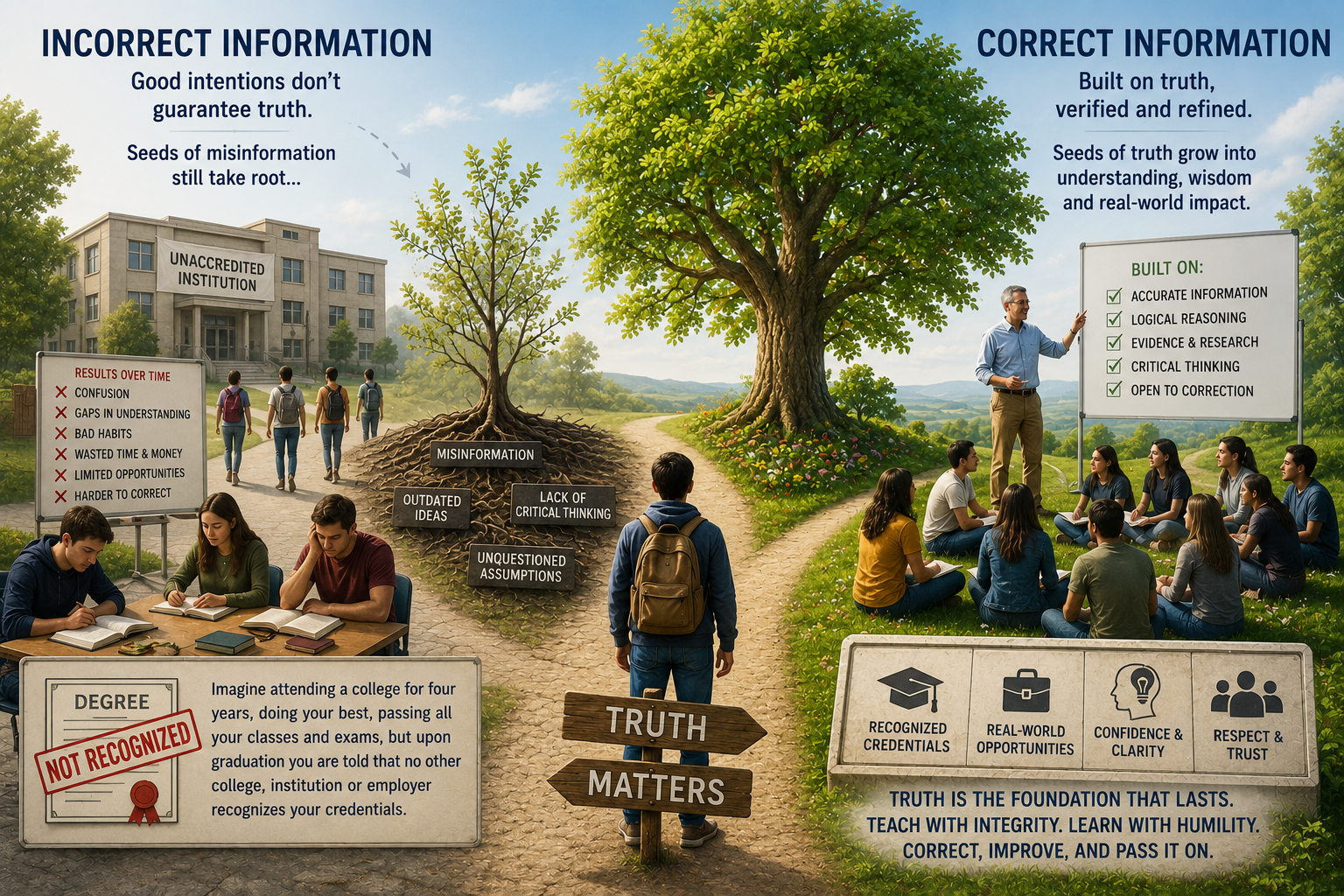
I was not intentionally misleading anyone. Rather, I was teaching what I sincerely believed to be true. Looking back, I now recognize that good intentions alone do not guarantee accurate instruction. Experience, continued study, intellectual honesty, and the humility to admit when we have been mistaken are all essential parts of personal growth.

Today, I believe one of the greatest responsibilities of any instructor is not simply to teach with confidence, but to continually question, verify, and refine one’s own understanding. In many ways, this article is as much a reflection on my own journey as it is a discussion about the importance of authenticity within the martial arts.

The Questions Every Student Should Ask

Whenever I see an unfamiliar “Tai Chi form,” numerous questions immediately come to mind.

  • What is the name of the form?
  • Who created it?
  • What style of Tai Chi is it?
  • What lineage is it associated with?
  • How old is the form?
  • Who taught it to the instructor?
  • What distinguishes it from qigong or slow-motion kung fu?
  • Why is it being called Tai Chi?
  • What makes it an advanced Tai Chi form?
  • What prerequisites should a student possess before learning it?
  • What martial applications exist for each movement?
  • What internal principles are being developed?
  • What is the correlation to yin and yang, the 5 Elements (wuxing) and Bagua?

These are not hostile questions. They are respectful questions. They are the kinds of questions that preserve the integrity of an art that has evolved over several centuries. Inquiry is not disrespect. Inquiry demonstrates respect for the art, the teacher, and ultimately the truth.

What Makes Tai Chi… Tai Chi?

Tai Chi Chuan is far more than a graceful series of slow movements.

Authentic systems possess defining characteristics that distinguish them from other movement arts. While different lineages emphasize different aspects of training, legitimate Tai Chi generally includes:

  • A documented historical lineage.
  • Clearly identifiable style characteristics.
  • Principles such as relaxation (song), structural integrity, rooting, whole-body connection, and peng jin.
  • Coordinated use of intention (yi) and body mechanics.
  • Martial applications for every posture.
  • Partner training through push-hands (tuishou) or equivalent sensitivity exercises.
  • Progressive development of refined power (jin) rather than muscular force alone.
  • Internal training methods integrated with external movement.

Without these foundational elements, one may still be performing valuable exercises, but those exercises should be honestly described for what they are. There is absolutely nothing wrong with teaching qigong, teaching therapeutic movement, or teaching slow kung fu. Each has its own unique value. They simply should not be presented as something they are not.

The Mathematics Analogy

I often compare this issue to mathematics. Suppose someone claimed to teach advanced calculus while possessing only a superficial understanding of basic arithmetic. Would we accept that? Of course not. A competent mathematics instructor understands addition before algebra, algebra before trigonometry, and trigonometry before calculus.

The same progression exists within Tai Chi. One cannot reasonably claim mastery of advanced forms while lacking a firm understanding of foundational principles such as alignment, weight shifting, rooting, body mechanics, relaxation, and martial function. Memorizing choreography is not the same as understanding an art.

Choreography Versus Understanding

Many people can memorize movement sequences. Actors memorize scripts. Dancers memorize choreography. Musicians memorize compositions. Memorization, however, is only one component of expertise.

The well-rounded instructor understands not only what is being performed but also why. Why does the weight shift here? Why does the spine rotate in this manner? Why is the pelvis positioned this way? What is the martial application? How does this movement develop structural integrity? How does this posture cultivate peng rather than collapse? Without answers to these questions, students are learning choreography rather than principles.

Eventually, choreography reaches its limits. Understanding does not.

Sincere Ignorance Versus Deliberate Misrepresentation

It is important to acknowledge an important ethical distinction. Not every instructor who teaches questionable Tai Chi is intentionally deceptive. Some instructors simply do not realize the limitations of their own training. This reflects what psychologists refer to as the Dunning–Kruger effect, in which individuals with limited expertise may overestimate their competence because they lack sufficient knowledge to recognize what they do not know (Kruger & Dunning, 1999).

Ironically, those who have practiced authentic Tai Chi for decades often become increasingly humble. The deeper one’s understanding grows, the more one appreciates the vastness of the art.

Intentions matter. A sincere instructor deserves more compassion than someone knowingly misrepresenting themselves. Nevertheless, good intentions do not transform inaccurate information into accurate information. A sincere misunderstanding remains a misunderstanding.

Students Deserve Honest Representation

Perhaps my greatest concern is not that these instructors exist. Every discipline has beginners. Every discipline has developing teachers. The greater concern is representation. If an instructor says, “These are movement exercises inspired by Tai Chi principles,” there is honesty.

If an instructor says, “This is a wellness exercise I developed from several martial arts systems,” there is honesty.

If an instructor teaches qigong while calling it qigong, there is honesty.

However, if someone claims to teach advanced traditional Tai Chi yet cannot explain the origin, lineage, principles, mechanics, or historical development of what they are teaching, students deserve to know that. Words, terminology and accuracy matters.

Critical Thinking Is a Martial Virtue

Traditional martial arts often emphasize respect, loyalty, humility, honesty, and integrity. Ironically, these same virtues should encourage thoughtful questioning rather than discourage it. Students should never feel guilty for asking:

“Where did this come from?”

“Who taught you?”

“Why is it performed this way?”

“How does this differ from other styles?”

“What evidence supports these claims?”

Authentic instructors rarely fear these questions. In fact, many welcome them. The instructor who understands an art generally enjoys discussing its history, philosophy, mechanics, and evolution. Those discussions enrich everyone involved.

Beyond Tai Chi

Although this discussion centers on Tai Chi, the principle extends far beyond martial arts. It applies equally to health care, psychology, religion, philosophy, politics, science, education, and countless other disciplines.

Healthy skepticism is not cynicism. Inquiry is not rebellion. Critical thinking is not disrespect. Rather, inquiry is one of the highest forms of respect because it demonstrates a sincere desire to understand reality rather than simply accept appearances.

As I have written many times before, wisdom often begins with asking better questions rather than collecting more answers.

In summary, one of the greatest lessons I have learned throughout decades of martial arts practice is that external appearances can be remarkably deceptive. A beautiful performance may possess little substance. A simple movement practiced with extraordinary understanding may contain profound depth. Ultimately, authenticity is not determined by how impressive something appears, how many social media followers an instructor possesses, or how eloquently they market themselves.

Authenticity is demonstrated through knowledge, experience, honesty, humility, and the willingness to accurately represent what one knows and equally important, what one does not know. Students deserve that honesty. Traditional martial arts deserve that honesty. And in an art that places such emphasis on ethics, character, and personal cultivation, accurate representation is not merely good business practice. It is part of the practice itself.

Perhaps the greatest lesson is this:

Ask thoughtful questions. Think critically. Seek understanding rather than appearances. For it is through discernment, not blind acceptance, that genuine wisdom, authentic instruction, and meaningful self-cultivation are ultimately found.

Reference

Kruger, J., & Dunning, D. (1999). Unskilled and unaware of it: How difficulties in recognizing one’s own incompetence lead to inflated self-assessments. Journal of Personality and Social Psychology, 77(6), 1121–1134. https://doi.org/10.1037/0022-3514.77.6.1121

Groupthink, Collective Hallucinations, and the Importance of Discernment

Human beings are social creatures. We learn from one another, depend upon one another, and often seek belonging within families, communities, organizations, religious groups, businesses, and social circles. Throughout history, cooperation has been one of humanity’s greatest strengths. Working together has allowed us to survive, innovate, and build civilizations.

Yet this same tendency toward cooperation can sometimes become a liability.

When the desire for acceptance, harmony, loyalty, or conformity becomes more important than truth, groups can begin to distort reality. Under certain circumstances, these distortions can become so powerful that entire organizations, communities, or even societies begin believing things that are inaccurate, exaggerated, or completely disconnected from objective evidence. While psychologists reserve the term hallucination for sensory experiences that occur without external stimuli, there is another phenomenon that might be described as a collective hallucination, where a shared belief system that persists despite contradictory evidence.

The question is not whether this happens. History clearly demonstrates that it does. The more important question is why intelligent, sincere, and often well-intentioned people become vulnerable to it.

Understanding Groupthink

The psychologist Irving Janis (1972) coined the term groupthink to describe situations in which the desire for consensus overrides critical thinking and objective evaluation.

In healthy groups, members are encouraged to ask questions, challenge assumptions, and explore alternative viewpoints. In unhealthy groups, disagreement is often viewed as disruptive, disloyal, or disrespectful.

Over time, members may begin to:

  • Suppress doubts and concerns
  • Self-censor opposing opinions
  • Rationalize contradictions
  • Dismiss outside criticism
  • Place excessive trust in leaders
  • Conform to the majority viewpoint
  • Develop the illusion that the group cannot be wrong

The result is often a gradual separation from reality. What begins as cooperation slowly transforms into conformity.

The Psychology Behind Collective Hallucinations

One of the reasons groupthink is so powerful is that it exploits normal features of human psychology.

Confirmation Bias

Human beings naturally seek information that supports existing beliefs while overlooking information that contradicts them (Kahneman, 2011). When individuals already believe a particular narrative, they tend to notice evidence that confirms it while minimizing evidence that challenges it. This tendency becomes amplified in groups where everyone is reinforcing the same assumptions.

Social Proof

Psychologist Robert Cialdini (2021) describes social proof as our tendency to assume that if many people believe something, it must be true. This mental shortcut is often useful. If everyone evacuates a building during a fire alarm, following the crowd may be wise. However, social proof can also mislead us. If enough people repeat an inaccurate idea, the sheer number of believers can create the illusion of legitimacy.

Authority Bias

Human beings are inclined to trust perceived experts, leaders, teachers, mentors, and authority figures. Authority itself is not the problem. Competent leadership is valuable. The problem arises when individuals stop evaluating claims on their own merits and instead accept them solely because of who made them. History repeatedly demonstrates that authority and accuracy are not always the same thing.

Fear of Exclusion

Perhaps one of the most powerful forces influencing human behavior is the fear of social rejection.

For most of human history, exclusion from the tribe could threaten survival. Consequently, many people learn to remain silent even when they privately disagree.

Psychologists refer to this phenomenon as pluralistic ignorance. Individuals may privately doubt a belief while publicly appearing to support it because they assume everyone else agrees (Myers & Twenge, 2024).

Ironically, entire groups may privately harbor doubts while collectively maintaining the illusion of certainty.

Cognitive Dissonance

When reality conflicts with deeply held beliefs, people experience psychological discomfort known as cognitive dissonance (Festinger, 1957). Rather than changing the belief, individuals often reinterpret the evidence. This helps explain why some groups become increasingly committed to a narrative even after significant contradictions emerge. The greater the investment of time, energy, money, or identity, the more difficult it becomes to admit being mistaken.

Social Identity and Identity Fusion

According to Social Identity Theory, people derive part of their sense of self from the groups to which they belong (Tajfel & Turner, 1986). When this identification becomes excessive, criticism of the group’s beliefs may feel like a personal attack. At that point, defending the narrative becomes less about seeking truth and more about protecting identity.

When Good Intentions Are Not Enough

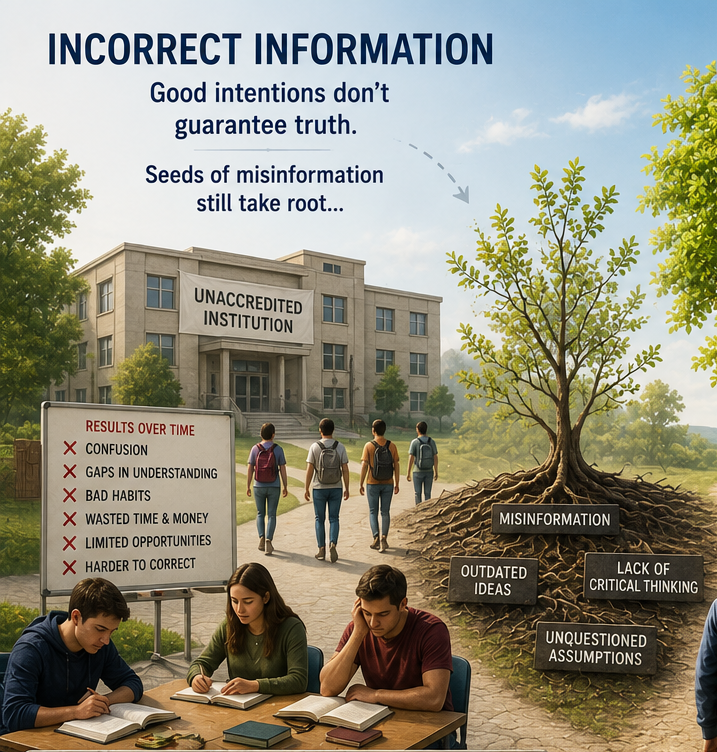
One of the greatest misconceptions surrounding groupthink is the assumption that it requires malicious intent. It does not. Many leaders, teachers, mentors, and authority figures genuinely believe they are helping others. Many organizations begin with noble goals. Many participants sincerely believe they are acting in everyone’s best interests.

Yet good intentions alone do not guarantee good outcomes. A teacher can be sincere and mistaken. A leader can be confident and wrong. A group can be united and still be disconnected from reality. This distinction is critically important because it shifts our attention away from assigning blame and toward developing discernment.

The issue is not whether someone means well. The issue is whether their beliefs and actions align with reality.

High-Control Groups and Closed Systems

The risk of collective distortion increases dramatically within high-control environments. Whenever questioning is discouraged, dissent is punished, or outside perspectives are dismissed, reality testing becomes increasingly difficult. Members may gradually begin to:

  • Reinterpret past events
  • Rationalize contradictions
  • Idealize leadership
  • Rewrite personal memories
  • Accept extraordinary claims without evidence
  • Distrust their own observations

Over time, individuals may come to trust the group’s interpretation of reality more than their own direct experiences. This phenomenon is not limited to religious organizations or cults. It can occur within corporations, healthcare systems, educational institutions, political movements, social organizations, martial arts and yoga schools and perhaps others. Any system that values loyalty more than truth becomes vulnerable.

Lessons from History

History provides countless examples of collective distortions.

  • The Salem Witch Trials demonstrated how fear, authority, and social pressure can lead communities to accept extraordinary claims without evidence.
  • Political movements throughout history have produced periods of mass hysteria, scapegoating, and ideological conformity.
  • Financial bubbles have repeatedly convinced large populations that unrealistic expectations were perfectly rational.

Although the specific circumstances differ, the psychological mechanisms remain remarkably consistent. The common denominator is not a lack of intelligence. It is a lack of critical examination.

A Holistic Perspective

From a holistic perspective, groupthink represents an imbalance between belonging and awareness. Human beings need connection. We need community, relationships, and shared purpose. However, we also need independent thought, self-reflection, and personal responsibility.

Eastern philosophy has long emphasized the importance of balance. The Taoist concept of yin and yang reminds us that seemingly opposing forces often exist in dynamic relationship with one another. Trust and skepticism. Belonging and independence. Tradition and innovation. Cooperation and critical thinking. Problems often arise when one side overwhelms the other.

Excessive individualism can lead to isolation. Excessive conformity can lead to collective blindness. Wisdom lies in finding the appropriate balance.

The Importance of Discernment

One of the recurring themes throughout my own studies and writings is understanding “when to do and when not to do.”  The same principle applies here. There is a time to trust and a time to verify. There is a time to follow and a time to question. There is a time to support a group and a time to stand apart from it.

Healthy skepticism is not cynicism. Critical thinking is not disloyalty. Asking questions is not disrespect. In fact, these qualities are often essential to preserving truth and integrity. The healthiest organizations are not those that eliminate disagreement. They are those that can tolerate disagreement without fear, punishment, or retaliation.

Open communication is not merely the freedom to speak. It is the freedom to question. It is the freedom to challenge assumptions. It is the freedom to respectfully disagree. Without these qualities, communication may appear open while remaining fundamentally closed.

In summary, perhaps the greatest danger of groupthink is not that people stop thinking altogether. Rather, it is that they begin to mistake consensus for truth. When enough people repeat the same story long enough, it can begin to feel more real than reality itself. History repeatedly demonstrates that intelligent, educated, and sincere individuals can become caught in collective distortions of perception. None of us are immune.

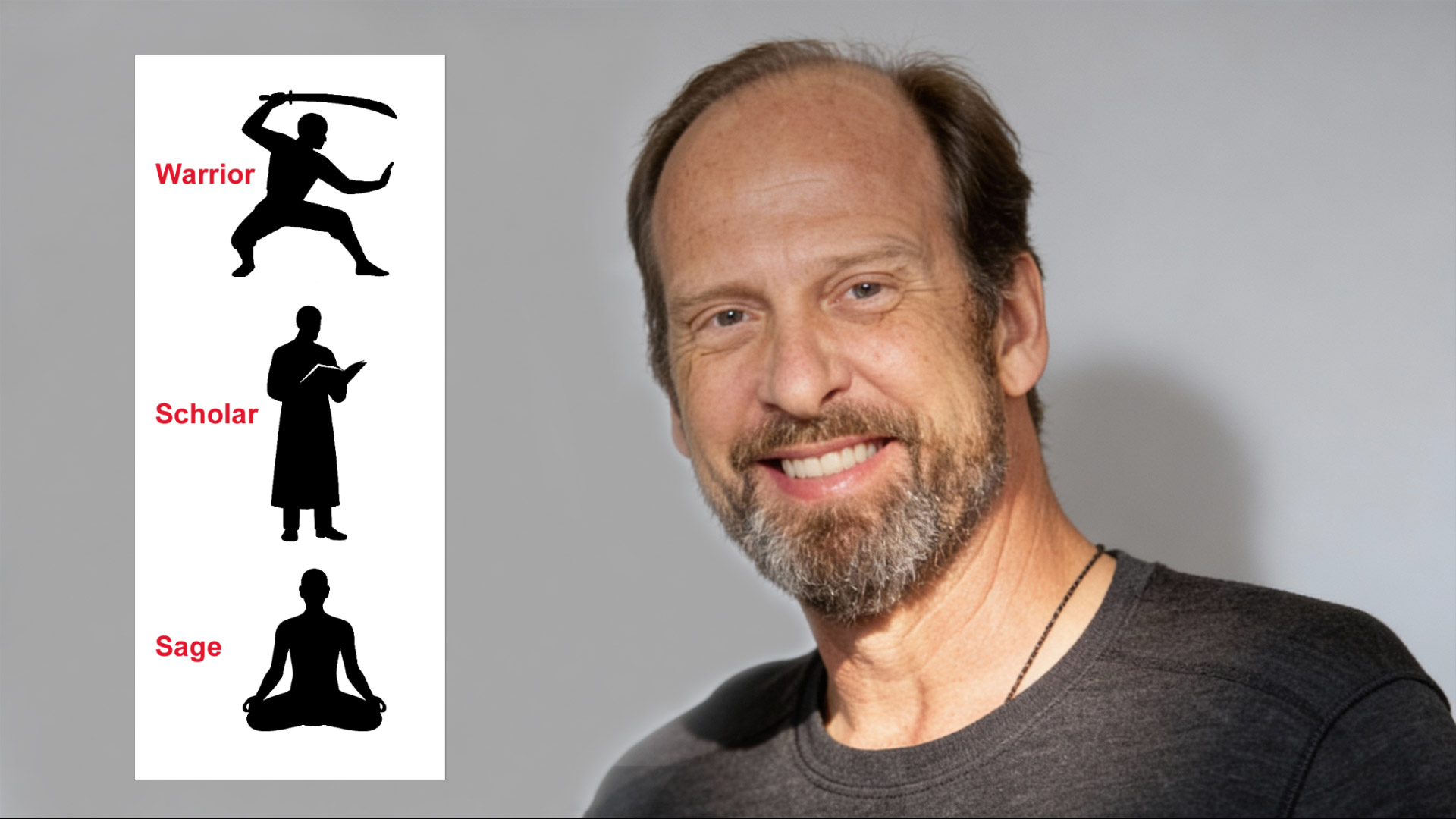
This realization should not make us cynical. It should make us humble. The Warrior cultivates the courage to question. The Scholar cultivates the knowledge to investigate. The Sage cultivates the wisdom to recognize that even their own perceptions may occasionally be incomplete.

Ironically, one of the strongest protections against collective hallucination is the willingness to acknowledge the possibility of personal hallucination. The pursuit of truth begins not with certainty, but with humility.

References

Cialdini, R. B. (2021). Influence: The psychology of persuasion (Rev. ed.). Harper Business.

Festinger, L. (1957). A theory of cognitive dissonance. Stanford University Press. https://archive.org/details/theoryofcognitiv0000fest/page/n5/mode/2up

Janis, I. L. (1972). Victims of groupthink: A psychological study of foreign-policy decisions and fiascoes. Houghton Mifflin. https://archive.org/details/victimsofgroupth0000jani

Kahneman, D. (2011). Thinking, fast and slow. Farrar, Straus and Giroux.

Myers, D. G., & Twenge, J. M. (2024). Social psychology (14th ed.). McGraw-Hill Education.

Tajfel, H., & Turner, J. C. (1986). The social identity theory of intergroup behavior. In S. Worchel & W. G. Austin (Eds.), Psychology of intergroup relations (pp. 7–24). Nelson-Hall.