Seeing Clearly: Self-Cultivation and the Pursuit of True Nature

A Holistic Perspective on Mind–Body Awareness

The goal of many mind–body practices is not simply improved flexibility, strength, or relaxation. At a deeper level, these systems aim to refine perception itself. They seek to help the individual more clearly see their true nature, better understand the nature of reality, and perhaps most challenging of all, begin to see themselves as others experience them.

This is not a casual endeavor. It requires deliberate self-cultivation through the body, the breath, and the mind. Across traditions, from the teachings of Laozi to the psychological insights of Carl Jung, the message remains consistent: clarity is not given, it is cultivated.
The Problem: Distorted Self-Perception

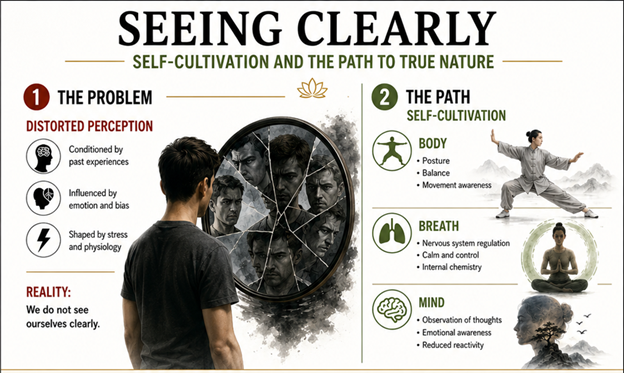
Human perception is rarely objective. Most individuals operate within layers of conditioning shaped by upbringing, culture, emotional experience, and cognitive bias. These filters influence how we interpret both ourselves and the world around us.

Modern psychology identifies several mechanisms that contribute to this distortion. The self-serving bias leads individuals to interpret events in ways that protect their self-image, while the blind spot bias prevents people from recognizing their own biases (Pronin et al., 2002). Jung (1968) described this phenomenon through the concept of the shadow, the unconscious aspects of the personality that remain hidden from conscious awareness.

From a physiological perspective, perception is also influenced by the state of the nervous system. Chronic stress, poor breathing patterns, and physical tension can alter emotional regulation and cognitive clarity (Porges, 2011). In Traditional Chinese Medicine (TCM), this would be described as a disturbance of the Shen, the aspect of mind and spirit responsible for clarity and awareness.

Embodied Awareness

Mind–body systems begin with the body because the body provides immediate, honest feedback. Unlike thought, which can rationalize or distort, physical experience reveals truth directly.

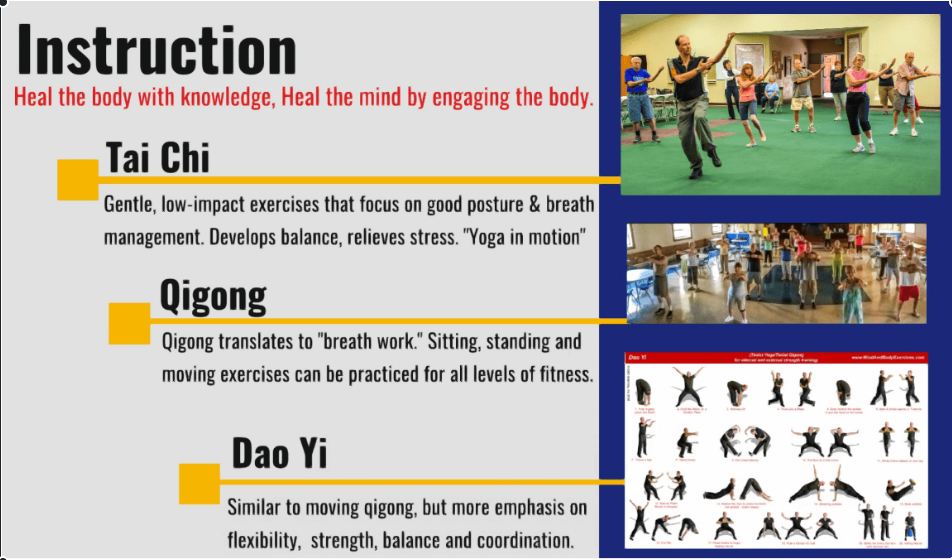
Practices such as Tai Chi, Qigong, Dao Yin, yoga, and structured stance training develop:

  • Postural awareness
  • Balance and coordination
  • Sensitivity to tension and restriction
  • Breath-body integration

Through these methods, individuals begin to notice patterns that were previously unconscious. Tightness in the shoulders, shallow breathing, or instability in posture often correlate with emotional and psychological states.

This process enhances interoception, the ability to sense internal bodily states, which is strongly associated with emotional regulation and self-awareness (Craig, 2009).

The Bridge: Breath and the Nervous System

Breathing practices serve as a critical bridge between body and mind.

Slow, controlled breathing, particularly through the nose, has measurable physiological effects. It increases nitric oxide production, supports vascular function, and promotes parasympathetic nervous system activation, which is associated with relaxation and recovery (Porges, 2011).

From a holistic perspective, breath regulation is a method of accessing what can be described as the body’s inner pharmacy. Rather than relying solely on external interventions, individuals learn to influence internal chemistry through conscious regulation.

In practical terms, this leads to:

  • Reduced stress reactivity
  • Improved emotional stability
  • Greater clarity of thought

The Mind: Observation and Deconstruction

As physical and physiological awareness increases, attention naturally turns inward toward the mind.

Meditative and reflective practices reveal several key insights:

  • Thoughts are continuous and often repetitive
  • Emotional responses arise automatically
  • Identity is frequently tied to patterns rather than objective reality

In both Eastern philosophy and Western psychology, this process involves recognizing the difference between awareness and the contents of awareness.

Jung referred to this as part of the individuation process, where unconscious material becomes integrated into conscious awareness (Jung, 1968). Similarly, contemplative traditions emphasize the importance of observing thought without immediate identification.

Over time, this reduces reactivity and increases the capacity for deliberate response.

Seeing Oneself Through the Eyes of Others

One of the most difficult aspects of self-cultivation is recognizing the gap between self-perception and how others experience us.

Individuals often believe they are calm, kind, or disciplined, yet their tone, posture, or behavior may communicate something entirely different. This discrepancy is explored in psychology through models such as the Johari Window, which highlights the existence of blind spots in self-awareness.

Mind–body practices help bridge this gap by:

  • Increasing sensitivity to internal states before they manifest externally
  • Reducing impulsive reactions
  • Encouraging openness to feedback

As awareness deepens, feedback from others becomes less threatening and more informative, allowing for continued refinement of perception and behavior.
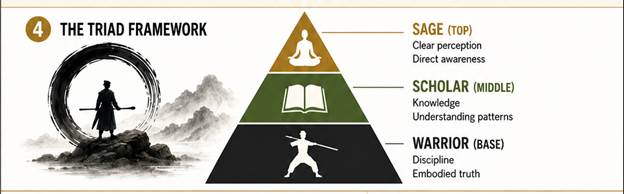
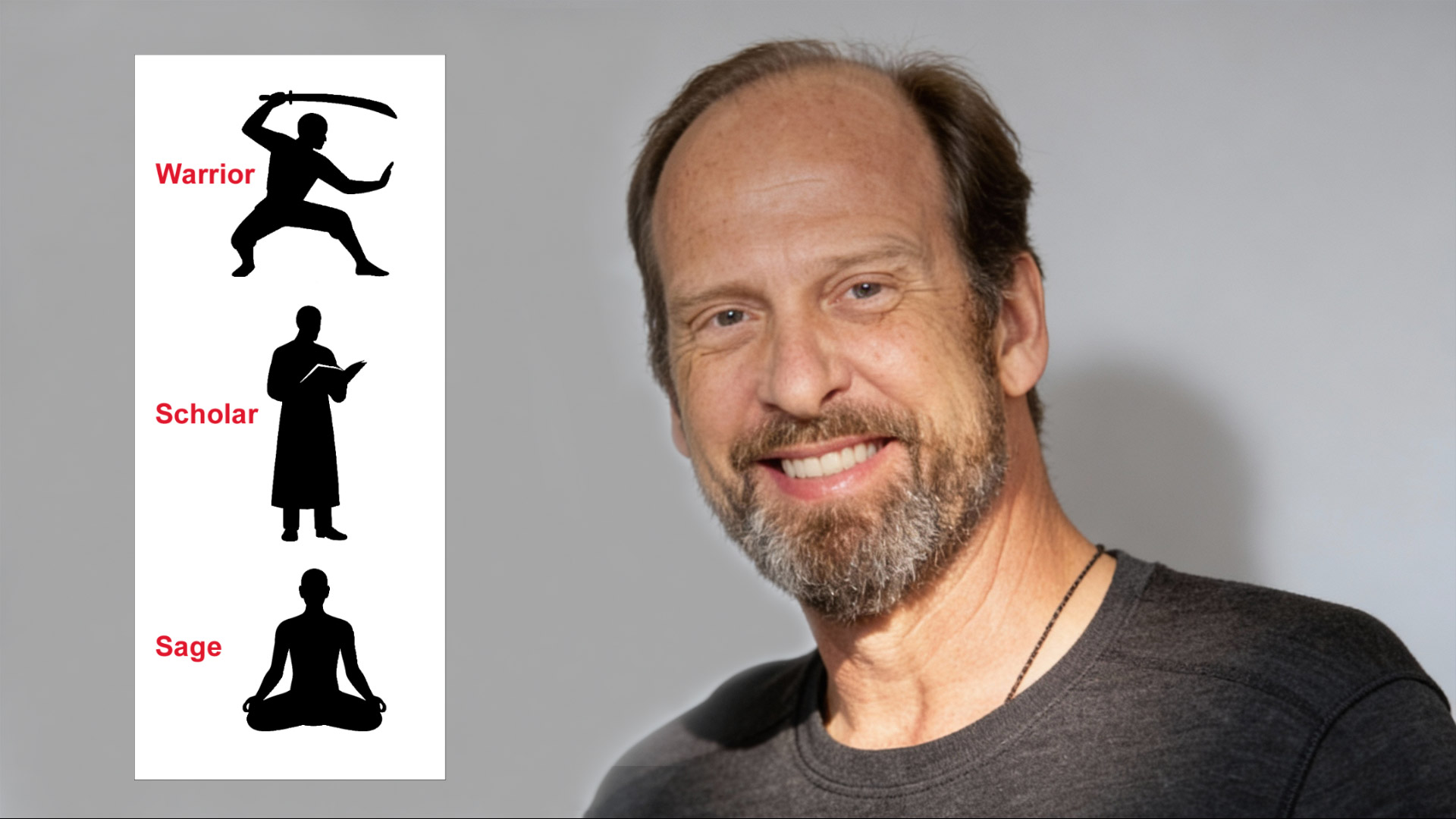
This process can be understood through three integrated dimensions:

The Warrior: Embodied Truth

The Warrior trains the body and confronts physical reality directly. There is no illusion in maintaining a stance, controlling breath under stress, or sustaining effort over time.

The Scholar: Cognitive Understanding

The Scholar studies patterns, philosophy, and psychology. Knowledge provides frameworks for interpreting experience but must be grounded in practice.

The Sage: Direct Perception

The Sage observes without distortion. Through sustained practice, perception becomes less clouded by bias, emotion, and conditioning.

Together, these three aspects form a complete system of self-cultivation, integrating action, understanding, and awareness.
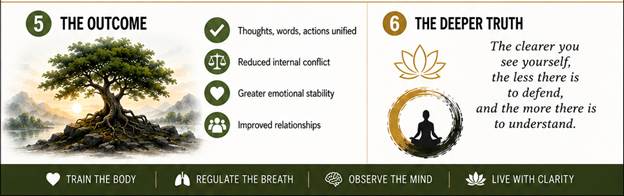
The Outcome: Alignment and Clarity

As these practices are developed consistently, several changes begin to emerge:

  • Greater alignment between thoughts, words, and actions
  • Reduced internal conflict
  • Increased emotional regulation
  • Enhanced empathy and understanding of others

From a psychological perspective, this reflects increased self-efficacy (Bandura, 1997) and movement toward self-actualization (Maslow, 1943).

The individual becomes less reactive and more responsive, less fragmented and more integrated.

The Deeper Realization

There is a paradox at the heart of this process.

Initially, the goal is to discover one’s true self. However, as awareness deepens, the concept of a fixed, unchanging self begins to dissolve. What is revealed instead is a dynamic process of experience—constantly shifting, influenced by both internal and external conditions.

This realization is echoed across traditions. It does not diminish the importance of self-cultivation; rather, it refines it.

The clearer one sees, the less there is to defend, and the more there is to understand.

In conclusion, most people attempt to change their external circumstances without first addressing the distortions in their own perception. Mind–body practices reverse this process by beginning within.

Through training the body, regulating the breath, and observing the mind, individuals develop the capacity to see more clearly. This clarity leads to more appropriate action, improved relationships, and a greater sense of alignment with both self and environment.

Ultimately, self-cultivation is not about becoming something new. It is about removing what obscures what is already present.

References

Bandura, A. (1997). Self-efficacy: The exercise of control. W.H. Freeman.

Craig, A. D. (2009). How do you feel—now? The anterior insula and human awareness. Nature Reviews Neuroscience, 10(1), 59–70. https://doi.org/10.1038/nrn2555

Jung, C. G. (1968). The archetypes and the collective unconscious (2nd ed.). Princeton University Press.

Maslow, A. H. (1943). A theory of human motivation. Psychological Review, 50(4), 370–396. https://doi.org/10.1037/h0054346

Porges, S. W. (2011). The polyvagal theory: Neurophysiological foundations of emotions, attachment, communication, and self-regulation. W.W. Norton & Company.

Pronin, E., Lin, D. Y., & Ross, L. (2002). The bias blind spot: Perceptions of bias in self versus others. Personality and Social Psychology Bulletin, 28(3), 369–381. https://doi.org/10.1177/0146167202286008
The Suprachiasmatic Nucleus

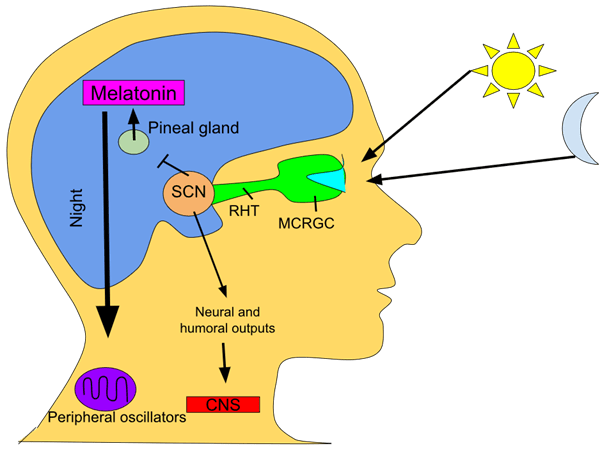
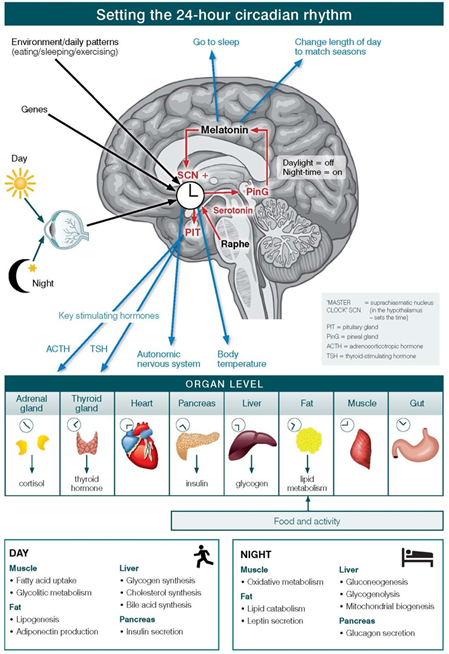
The suprachiasmatic nucleus (SCN) is a small, bilateral structure located in the anterior hypothalamus, directly above the optic chiasm. It serves as the body’s master circadian clock, orchestrating daily rhythms in physiology and behavior, including the sleep-wake cycle, hormone secretion, core body temperature, and feeding behavior.

The SCN is composed of approximately 20,000 neurons and is unique in that it:

  • Receives direct input from the retina through the retinohypothalamic tract, enabling it to synchronize the body’s internal clock with the external light-dark cycle (Reppert & Weaver, 2002).
  • Sends timing signals to peripheral clocks in tissues throughout the body (Takahashi, 2017).
  • Regulates the secretion of melatonin via connections to the pineal gland, helping initiate sleep.

How It Works: The Circadian Loop

  1. Light detection: Specialized retinal ganglion cells detect ambient light and send signals directly to the SCN.
  2. Signal integration: The SCN uses this light information to adjust its own activity and entrain the circadian rhythm.
  3. Output signaling: The SCN influences the pineal gland (via the paraventricular nucleus and sympathetic nervous system) to suppress melatonin during daylight and allow melatonin to be released in darkness.
  4. Peripheral coordination: The SCN sends signals to various body systems, ensuring synchronization of local clocks with the central clock.

SCN and the Sleep-Wake Cycle

  • At night, the SCN promotes melatonin secretion from the pineal gland, facilitating sleep.
  • During daylight, the SCN inhibits melatonin and promotes alertness and wakefulness.
  • Disruption in SCN function (e.g., jet lag, shift work, aging) can lead to insomnia, mood disorders, metabolic issues, and cognitive deficits (Czeisler et al., 1995).

Molecular Clockwork

Inside each SCN neuron is a feedback loop of gene expression involving:

  • Clock genes such as CLOCK, BMAL1, PER, and CRY
  • These genes form transcription-translation feedback loops that produce near-24-hour rhythms in gene expression (Partch et al., 2014)

Modern research on the suprachiasmatic nucleus (SCN) reinforces what traditional holistic practices have long intuited, that human health depends on harmony with natural rhythms.

Mind-body disciplines such as Qigong, Tai Chi, and other somatic practices naturally align with this biological timing system. Their emphasis on movement at transitional times of day (like dawn and dusk), breath regulation, and meditative stillness helps synchronize internal rhythms with external environmental cues. This entrainment supports balanced melatonin and cortisol release, improves sleep quality, and reduces stress load on the nervous system.

From a holistic perspective, these practices serve as both regulators and restorers of biological coherence. They embody an intuitive understanding of what neuroscience now confirms, that regulating the body through breath, movement, and awareness reinforces the timing mechanisms of the SCN and helps restore physiological harmony from the inside out.

References:

Czeisler, C. A., Shanahan, T. L., Klerman, E. B., Martens, H., Brotman, D. J., Emens, J. S., Klein, T., & Rizzo, J. F. (1995). Suppression of melatonin secretion in some blind patients by exposure to bright light. New England Journal of Medicine, 332(1), 6–11. https://doi.org/10.1056/nejm199501053320102

File:Circadian Rhythm.svg – Wikimedia Commons. (2019, June 5). https://commons.wikimedia.org/wiki/File:Circadian_rhythm.svg

File:The master circadian clock in the human brain.jpg – Wikimedia Commons. (2013, May 22). https://commons.wikimedia.org/wiki/File:The_master_circadian_clock_in_the_human_brain.jpg

Partch, C. L., Green, C. B., & Takahashi, J. S. (2014). Molecular architecture of the mammalian circadian clock. Trends in Cell Biology, 24(2), 90–99. https://doi.org/10.1016/j.tcb.2013.07.002

Reppert, S. M., & Weaver, D. R. (2002). Coordination of circadian timing in mammals. Nature, 418(6901), 935–941. https://doi.org/10.1038/nature00965

Takahashi, J. S. (2017). Transcriptional architecture of the mammalian circadian clock. Nature Reviews Genetics, 18(3), 164–179. https://doi.org/10.1038/nrg.2016.150

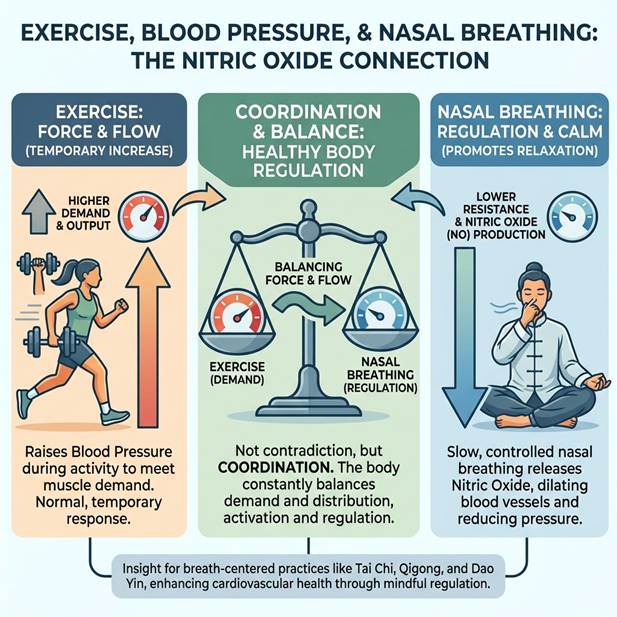
Exercise, Blood Pressure, and Nasal Breathing and the Nitric Oxide Connection

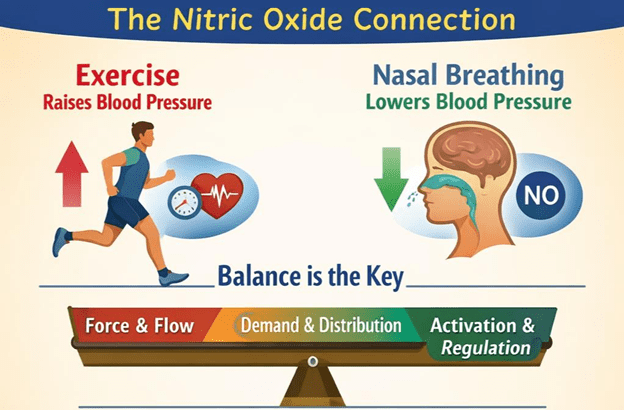
It is often said that exercise raises blood pressure, while slow, controlled breathing calms the system and promotes relaxation. At first glance, these ideas may seem to conflict. If one elevates pressure and the other reduces it, how do they coexist within a healthy body?

The answer lies not in contradiction, but in coordination. The human body is not simply increasing or decreasing pressure. It is constantly balancing force and flow, demand and distribution, activation and regulation.

Understanding this relationship provides deeper insight into not only cardiovascular health, but also the value of breath-centered practices such as Tai Chi, qigong, and dao yin.

Exercise and the Temporary Rise in Blood Pressure

During physical activity, the body must meet the increased metabolic demands of working muscles. To accomplish this, the cardiovascular system responds immediately. Heart rate increases, stroke volume rises, and cardiac output expands. As a result, systolic blood pressure elevates.

In moderate aerobic exercise, systolic pressure may rise into the range of 160 to 220 mmHg, while diastolic pressure often remains stable or may even decrease slightly due to the dilation of blood vessels in active tissues (Kenney et al., 2022).

This increase is not harmful in healthy individuals. It is functional and necessary. It allows the body to deliver oxygen and nutrients more efficiently where they are needed most. Once exercise ceases, blood pressure typically returns to baseline or even drops below resting levels for a period of time, a phenomenon known as post-exercise hypotension.

Nitric Oxide: A Key Regulator of Vascular Tone

At the center of this process is nitric oxide, a simple yet powerful signaling molecule that plays a critical role in vascular health.

Nitric oxide is produced within the body through the action of nitric oxide synthase enzymes, which convert the amino acid L-arginine into nitric oxide. One of the most important forms, endothelial nitric oxide synthase, operates within the lining of blood vessels and responds to increased blood flow and shear stress during exercise.

In addition to this internal production, nitric oxide is also generated in the paranasal sinuses. Each time you breathe through your nose, small amounts of nitric oxide are drawn into the lungs along with inhaled air (Lundberg et al., 1996). This creates an interesting and often overlooked connection between breathing patterns and vascular function.

How Nitric Oxide Supports Vasodilation

Once released into the bloodstream, nitric oxide acts directly on the smooth muscle of blood vessel walls. In simple terms, it signals these muscles to relax. This relaxation causes the vessels to widen, a process known as vasodilation.

From a more technical standpoint, nitric oxide initiates a cascade that increases cyclic guanosine monophosphate (cGMP) within the smooth muscle cells, ultimately reducing their contractile tension (Moncada & Higgs, 1993). The result is decreased vascular resistance and improved blood flow.

This is not a trivial effect. It is the same fundamental mechanism used in emergency cardiac medicine through nitric oxide–donating drugs such as nitroglycerin.

Nasal Breathing Versus Mouth Breathing

This brings us to an important distinction that is often overlooked in both fitness and general health discussions.

Nasal breathing allows for the intake of nitric oxide produced in the sinuses, whereas mouth breathing largely bypasses this process. Studies suggest that nitric oxide concentrations in the nasal passages are significantly higher than in the lower airways, making the nose a meaningful contributor to nitric oxide availability (Lundberg et al., 1996).

Beyond nitric oxide, nasal breathing also:

  • Filters, humidifies, and warms incoming air
  • Naturally slows the rate of breathing
  • Improves carbon dioxide tolerance
  • Encourages parasympathetic nervous system activity

In contrast, habitual mouth breathing, particularly when rapid and shallow, is more commonly associated with sympathetic activation and less efficient respiratory mechanics (Zaccaro et al., 2018).

The Exercise Context: Pressure and Flow Working Together

When exercise and nasal breathing are considered together, a more complete picture emerges.

During exercise, the heart increases pressure to drive blood through the system. At the same time, blood vessels in active tissues dilate to reduce resistance. Nitric oxide, produced both internally and supported through nasal breathing, plays a central role in this process.

This creates a coordinated dynamic:

  • Pressure increases to enhance delivery
  • Vasodilation improves distribution
  • Breathing helps regulate and support both

Rather than opposing forces, these mechanisms function as complementary aspects of a unified system.

A Bridge Between Physiology and Practice

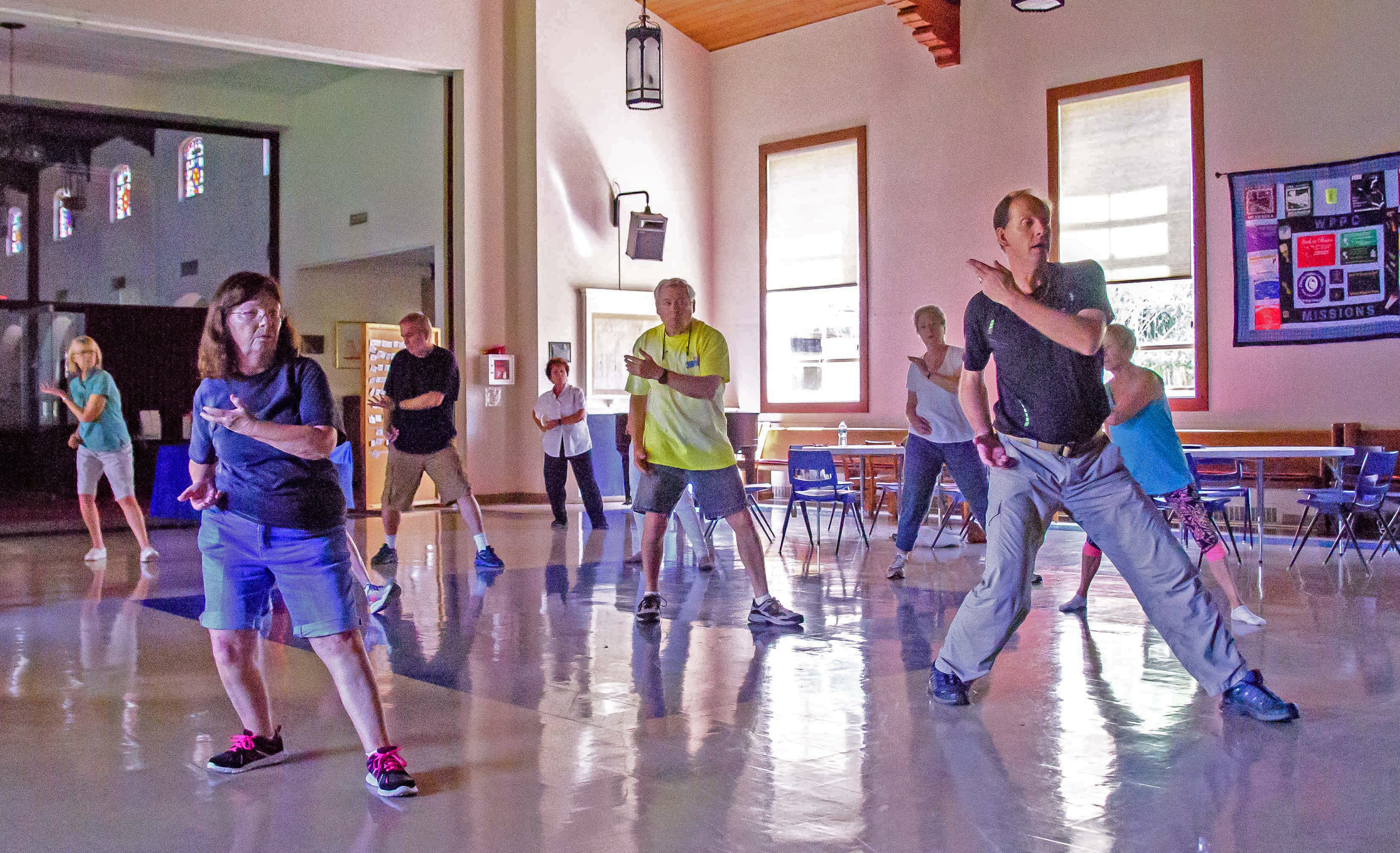
For those engaged in Tai Chi, qigong, or dao yin, this relationship may feel familiar. These practices emphasize coordinated movement, controlled breathing, and internal awareness. While often described in traditional language, their effects can be understood through modern physiology.

Slow, nasal breathing combined with rhythmic movement supports vascular efficiency, enhances parasympathetic activity, and promotes long-term cardiovascular health. Over time, this may contribute to lower resting blood pressure, improved endothelial function, and greater overall resilience (Green et al., 2004).

The Takeaway

The body does not simply raise or lower blood pressure. It balances pressure and flow in response to changing demands. Exercise provides the force. Vasodilation provides the pathway. Breath provides the regulation. When these elements are aligned, the system operates efficiently and effectively.

In the end, the goal is not to eliminate stress from the body, but to learn how to work with it. Through movement, breath, and awareness, we begin to understand that health is not found in extremes, but in balance.

References

Green, D. J., Maiorana, A., O’Driscoll, G., & Taylor, R. (2004). Effect of exercise training on endothelium-derived nitric oxide function in humans. Journal of Physiology, 561(1), 1–25. https://doi.org/10.1113/jphysiol.2004.068197

Kenney, W. L., Wilmore, J. H., & Costill, D. L. (2022). Physiology of sport and exercise (8th ed.). Human Kinetics.

Lundberg, J. O., Weitzberg, E., Lundberg, J. M., & Alving, K. (1996). Nitric oxide in exhaled air. European Respiratory Journal, 9(12), 2671–2680. https://doi.org/10.1183/09031936.96.09122671

Moncada, S., & Higgs, A. (1993). The L-arginine–nitric oxide pathway. New England Journal of Medicine, 329(27), 2002–2012. https://doi.org/10.1056/NEJM199312303292706

Zaccaro, A., Piarulli, A., Laurino, M., Garbella, E., Menicucci, D., Neri, B., & Gemignani, A. (2018). How breath-control can change your life: A systematic review on psycho-physiological correlates of slow breathing. Frontiers in Human Neuroscience, 12, 353. https://doi.org/10.3389/fnhum.2018.00353

Designing a Meaningful Life Through Conscious Self-Cultivation

A Holistic Perspective on Presence, Purpose, and Human Development

Modern life often leaves many people feeling mentally overstimulated, emotionally fatigued, physically depleted, and spiritually disconnected. Despite technological convenience, endless entertainment, and unprecedented access to information, countless individuals still find themselves asking a deeper question: Why do I feel unfulfilled?

Many people move through life trapped in cycles of stress, distraction, obligation, and unconscious routine. They work, consume, react, and repeat, while rarely pausing long enough to examine whether the life they are building is actually aligned with who they truly are. In many ways, modern culture conditions people toward productivity and external validation, yet neglects the cultivation of internal balance, meaning, and self-awareness.

Interestingly, modern psychological theories regarding meaning, motivation, and personal development often parallel principles that have existed for centuries within Eastern philosophy, Traditional Chinese Medicine (TCM), Taoist thought, and martial arts training systems. Whether described as self-actualization, self-efficacy, flow states, or harmonizing yin and yang, the central theme remains remarkably similar: human beings flourish when they consciously participate in their own development.

Rather than viewing life as something that merely happens to us, we may benefit from viewing life as a continual process of cultivation, refinement, adaptation, and conscious participation.

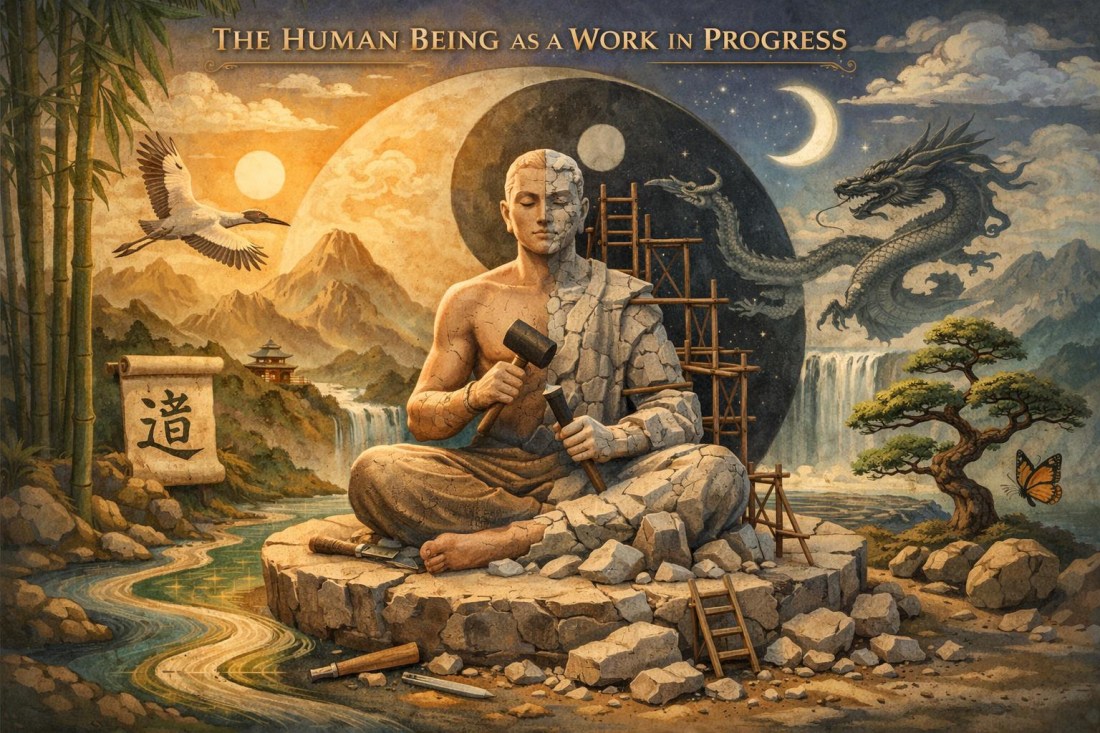
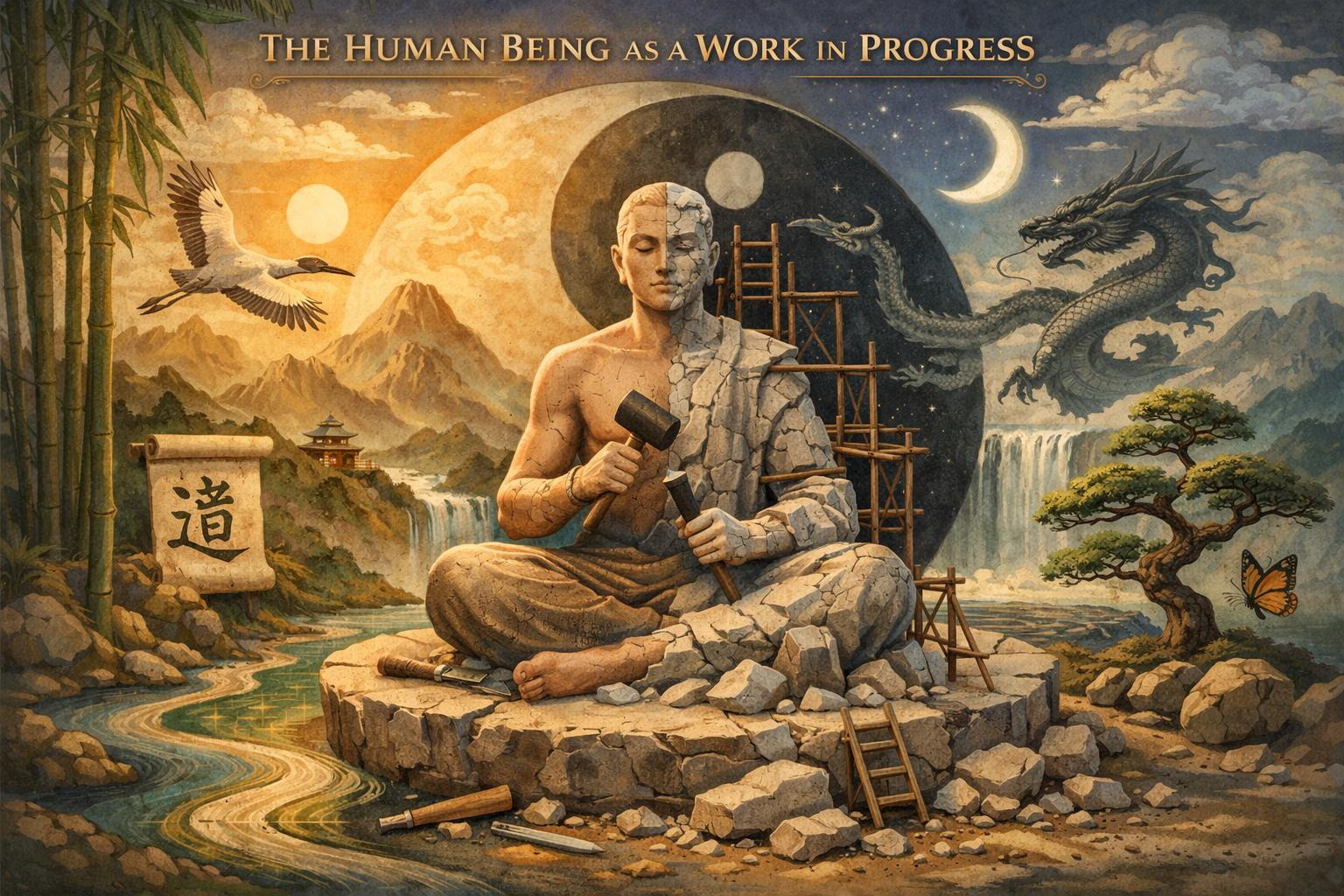
The Human Being as a Work in Progress

Within many Eastern philosophies, the individual is not viewed as a fixed identity, but as an evolving process. Taoist traditions often emphasize alignment with the Dao, continual adaptation, and harmonization between the internal and external worlds. Likewise, many martial arts systems teach that mastery is never truly completed, but continually refined through discipline, humility, awareness, and lived experience.

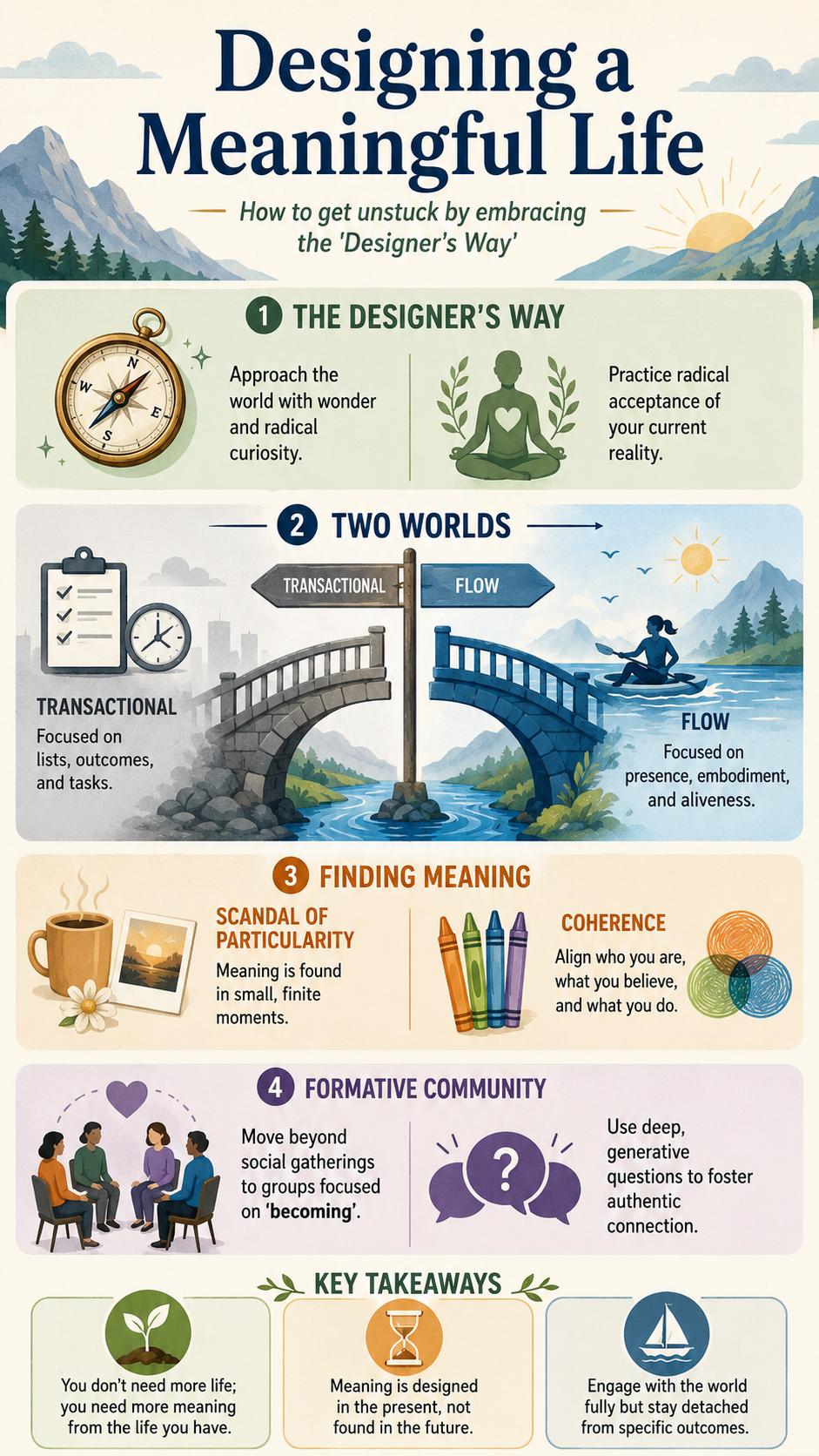
Modern psychological frameworks increasingly support this same perspective. Stanford Life Design researchers Dave Evans and Bill Burnett propose that meaningful living does not emerge from discovering one singular purpose, but rather through experimentation, curiosity, adaptation, and intentional engagement with life (Evans & Burnett, 2024).

This mirrors the Taoist understanding that growth is dynamic rather than static. The individual evolves through cycles of challenge, reflection, success, failure, adaptation, and renewal. Much like the transformation of yin into yang and yang into yin, life itself is in constant motion.

Many individuals become psychologically trapped because they believe they must discover one perfect identity, career, passion, or life purpose. However, this rigid mindset often creates anxiety, paralysis, and disappointment. Human beings contain multiple potentials, interests, talents, and developmental possibilities.

The goal is not necessarily to “find yourself,” but rather to consciously cultivate yourself.

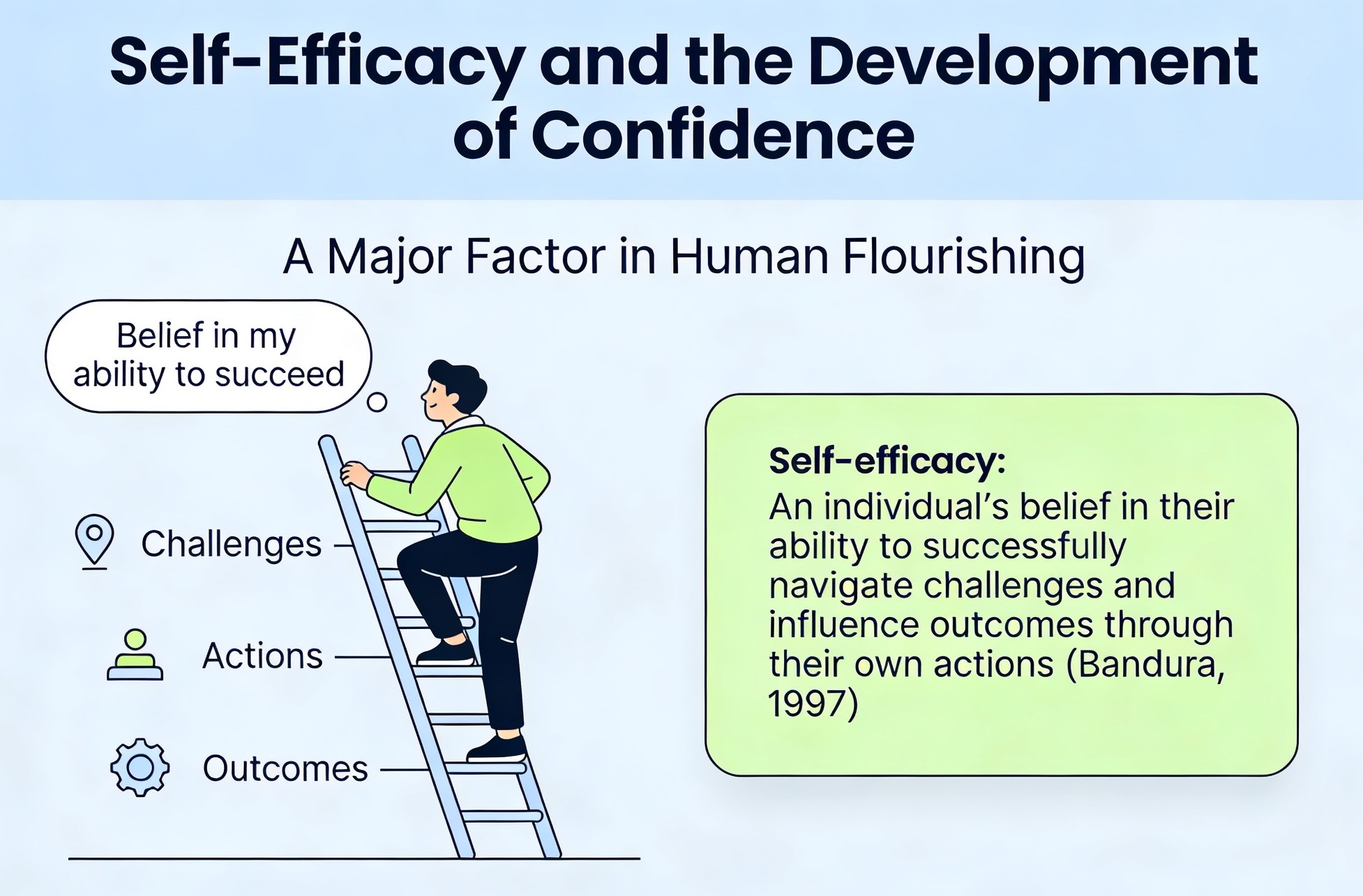
Importantly, self-efficacy is not built through wishful thinking or motivational slogans alone. It develops through direct experience, disciplined effort, adaptation, and repeated exposure to challenge.

This principle has long existed within traditional martial arts and internal cultivation systems. Confidence is not merely spoken into existence. It is earned progressively through training, discomfort, repetition, and gradual mastery. A student develops confidence not by avoiding adversity, but by learning they can endure and adapt to it.

This process closely resembles what many Taoist and martial systems describe as strengthening the mind, refining intention (Yi), and cultivating resilience through embodied experience.

In many ways, modern society unintentionally weakens self-efficacy by promoting excessive convenience, distraction, dependency, and external validation. Yet meaningful development often requires voluntary discomfort, responsibility, and direct engagement with life.

Self-Determination and Human Fulfillment

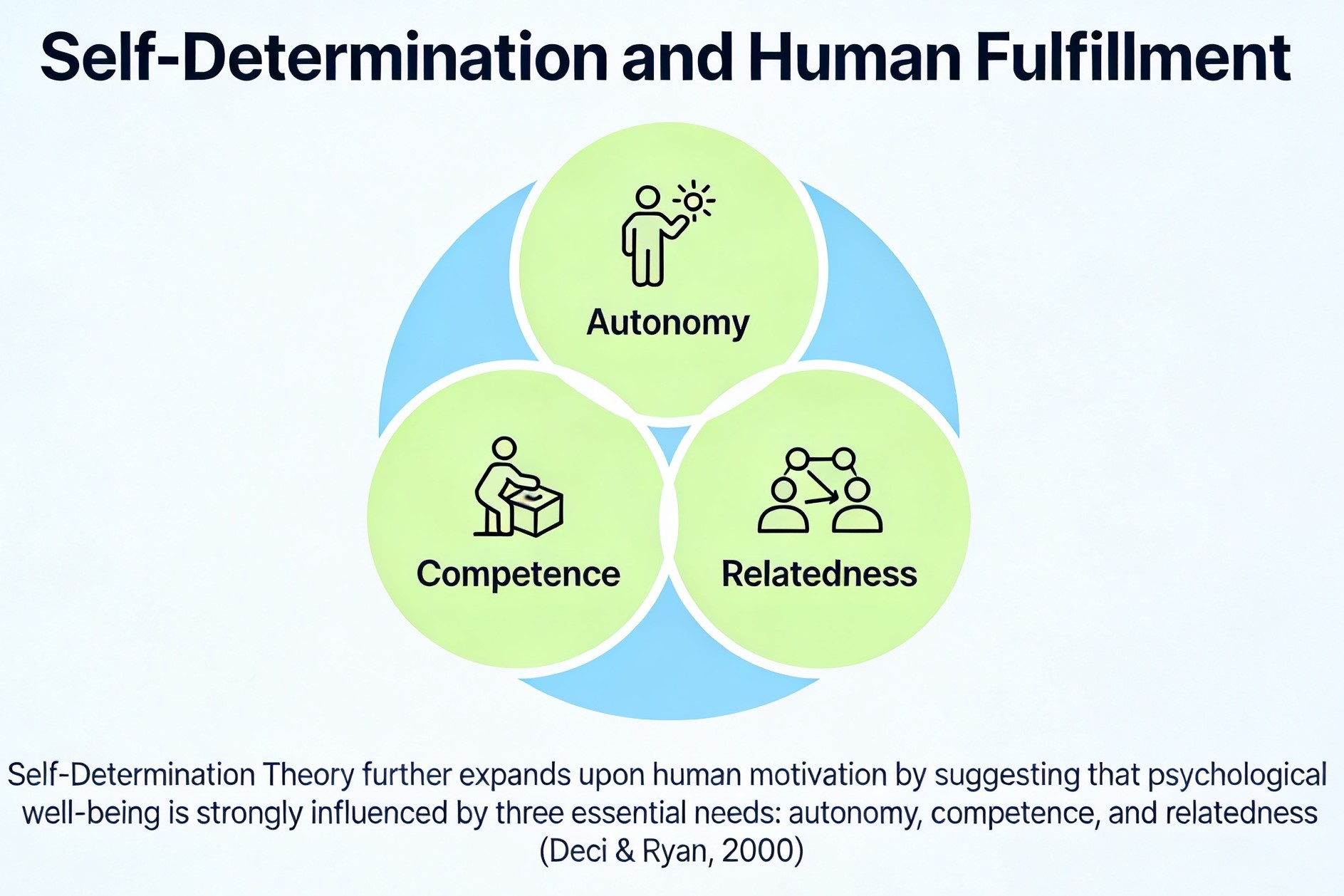
Self-Determination Theory further expands upon human motivation by suggesting that psychological well-being is strongly influenced by three essential needs: autonomy, competence, and relatedness (Deci & Ryan, 2000).

These principles correlate remarkably well with holistic and Eastern models of human development.

Autonomy

Autonomy reflects the need to feel agency over one’s own life and decisions. In Taoist philosophy, this resembles alignment with one’s authentic nature rather than blindly conforming to external pressures or social conditioning.

Competence

Competence develops through meaningful challenge, disciplined practice, and gradual mastery. This principle is deeply embedded within martial arts, qigong, meditation, and traditional systems of self-cultivation.

Relatedness

Human beings are inherently relational creatures. Meaningful connection, mentorship, community, and shared purpose contribute significantly to emotional and psychological well-being.

When these three dimensions become neglected, individuals often experience anxiety, emptiness, burnout, alienation, or loss of purpose.

Maslow’s Hierarchy and the Journey Toward Self-Transcendence

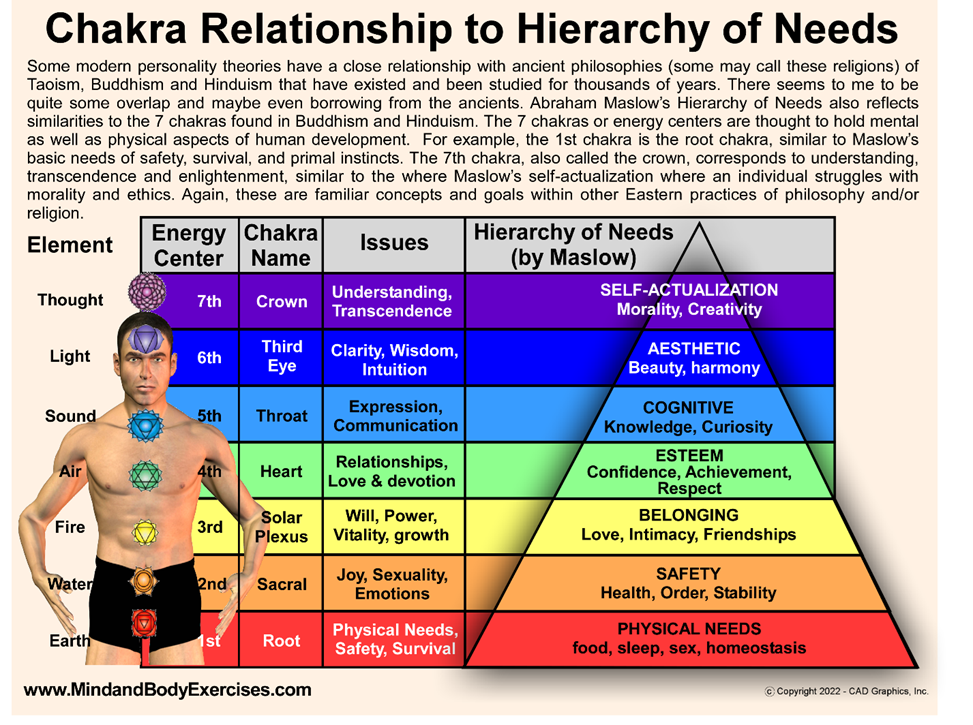
Psychologist Abraham Maslow proposed that human development progresses through stages of need fulfillment, beginning with physiological survival and eventually progressing toward self-actualization and transcendence (Maslow, 1943).

This developmental model also parallels many Eastern systems of cultivation.

At the foundational level, one must stabilize the physical body through proper sleep, nutrition, movement, breathing, and regulation of stress. Without physical stability, higher levels of psychological and spiritual development become difficult to sustain.

As stability develops, attention naturally shifts toward:

  • safety and security
  • social connection
  • confidence and competence
  • meaning and contribution
  • wisdom and transcendence

Traditional Taoist systems similarly emphasize that refinement begins with the body, progresses through energy and mind, and eventually develops into deeper states of awareness and integration.

This progression is often reflected through the traditional framework of Jing, Qi, and Shen:

  • Jing relates to foundational vitality and physical essence
  • Qi reflects functional energy and life force
  • Shen reflects consciousness, awareness, and spirit

Human flourishing is therefore not merely psychological. It is physiological, emotional, relational, behavioral, and spiritual simultaneously.

Transactional Living vs. Flow States

Much of modern culture conditions individuals into a highly transactional state of consciousness. Productivity, deadlines, social status, financial pressure, digital stimulation, and endless tasks dominate attention.

People become trapped in what may be described as “future-oriented survival mode,” rarely fully present within the immediate experience of life itself.

Psychologist Mihaly Csikszentmihalyi described optimal states of deep engagement as flow states, moments in which action, awareness, and presence become fully integrated (Csikszentmihalyi, 1990).

Eastern traditions have explored similar states for centuries through meditation, martial arts, qigong, calligraphy, tea ceremony, and contemplative practice.

The Taoist concept of wu wei, often translated as “effortless action,” reflects a condition in which the individual becomes deeply aligned with the present moment rather than psychologically fragmented by excessive striving and internal resistance.

Flow states are not necessarily dramatic or mystical experiences. They may emerge during:

  • tai chi practice
  • gardening
  • writing
  • meaningful conversation
  • artistic expression
  • breathing exercises
  • walking in nature
  • mindful movement
  • prayer or meditation

These moments reconnect individuals to embodiment, awareness, and presence.

Meaning Exists Within Particular Moments

Modern culture often encourages individuals to search for one grand purpose or singular life mission. Yet meaning frequently emerges through small, deeply human moments.

A sunrise.
A shared meal.
A sincere conversation.
A moment of forgiveness.
A familiar song.
The feeling of stillness after meditation.
The rhythm of breathing during qigong practice.

Meaning is often discovered not through constant achievement, but through conscious presence.

Many people overlook these moments because the nervous system has become conditioned toward overstimulation, distraction, urgency, and continual psychological noise.

Taoist philosophy frequently reminds us that profound truth often exists within simplicity. The extraordinary is hidden within the ordinary.

Community, Belonging, and Human Becoming

Human development rarely occurs in complete isolation. Throughout history, meaningful communities, mentorship, shared ritual, and collective purpose have played central roles in psychological resilience and personal transformation.

Healthy communities do more than exchange information or transactional benefit. They support growth, accountability, encouragement, and becoming.

Unfortunately, modern society often creates superficial connection while simultaneously increasing loneliness and fragmentation.

Authentic human connection requires vulnerability, presence, listening, and genuine engagement. It requires moving beyond performance and social masks.

In both Eastern philosophy and modern psychology, relationships significantly influence emotional regulation, identity formation, and overall well-being.

The nervous system itself is relational.

Radical Acceptance and Alignment With Reality

One of the most difficult but transformative principles within both psychology and Eastern philosophy is radical acceptance.

Taoist teachings emphasize alignment with reality rather than continual resistance against it. Suffering often increases when individuals refuse to accept impermanence, uncertainty, aging, loss, or change.

Acceptance does not mean passivity or resignation. Rather, it means beginning from truth instead of denial.

Only when individuals honestly acknowledge where they are physically, emotionally, mentally, and spiritually can meaningful change begin.

This mirrors the martial arts principle that effective response begins with accurate awareness rather than fantasy or ego.

In conclusion, a meaningful life is not something purchased, downloaded, or externally granted. It is cultivated gradually through awareness, disciplined action, embodied presence, meaningful relationships, adaptation, and intentional participation in one’s own development.

Modern psychology increasingly validates principles long understood within Eastern philosophy and holistic systems of self-cultivation:

  • presence matters
  • embodiment matters
  • meaning matters
  • relationships matter
  • responsibility matters
  • conscious living matters

Human beings flourish when thought, behavior, physiology, values, and purpose become increasingly aligned.

The journey toward meaning rarely requires detonating one’s entire life. More often, it begins with small moments of awareness:

  • breathing more consciously
  • noticing beauty
  • moving the body
  • cultivating gratitude
  • reducing distraction
  • serving others
  • practicing stillness
  • engaging life with greater intentionality

In many ways, the path toward meaning is less about becoming someone entirely new and more about remembering what it means to become fully human.

References

Bandura, A. (1997). Self-efficacy: The exercise of control. W.H. Freeman.

Csikszentmihalyi, M. (1990). Flow: The psychology of optimal experience. Harper & Row.

Deci, E. L., & Ryan, R. M. (2000). The “what” and “why” of goal pursuits: Human needs and the self-determination of behavior. Psychological Inquiry, 11(4), 227–268. https://doi.org/10.1207/S15327965PLI1104_01

Evans, D., & Burnett, B. (2024). How to live a meaningful life. Knopf.

Maslow, A. H. (1943). A theory of human motivation. Psychological Review, 50(4), 370–396. https://doi.org/10.1037/h0054346

Stanford Life Design Lab. (n.d.). Designing your life. Stanford Life Design Lab

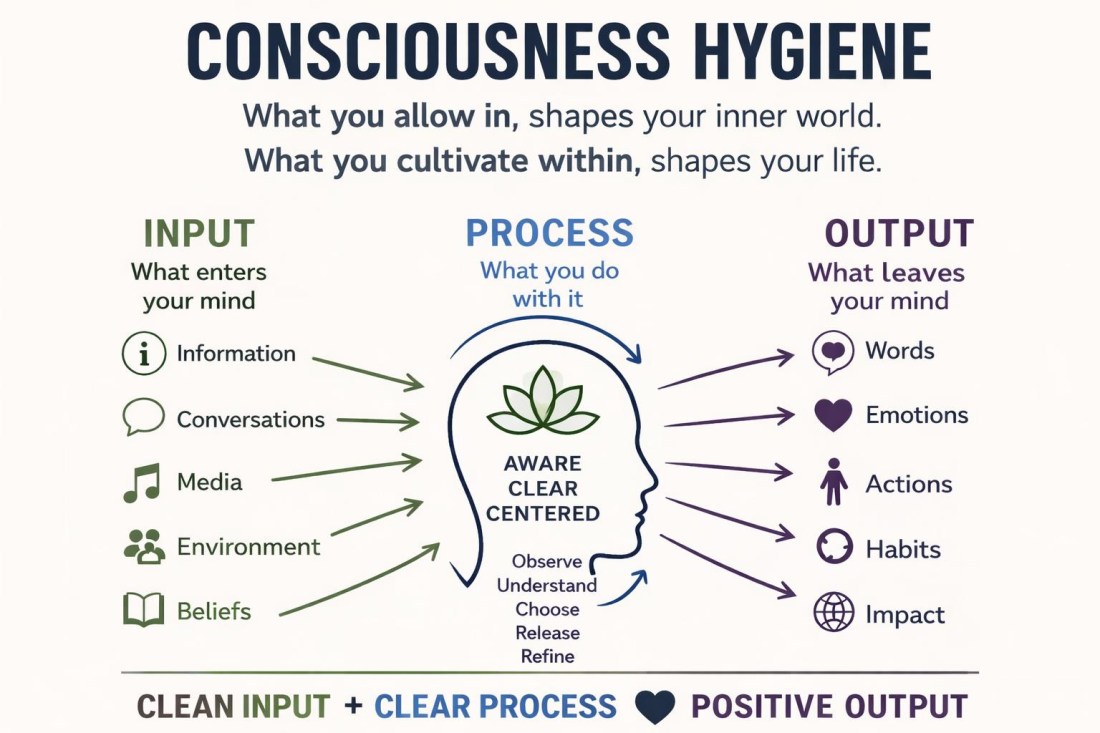
Consciousness Hygiene

Consciousness hygiene is not a formal scientific term, but it is increasingly used in psychology, philosophy, meditation traditions, and holistic health to describe the deliberate management and care of one’s mental and perceptual environment, much like physical hygiene refers to caring for the body.

In simple terms:

Consciousness hygiene = practices that keep the mind clear, balanced, and resilient.

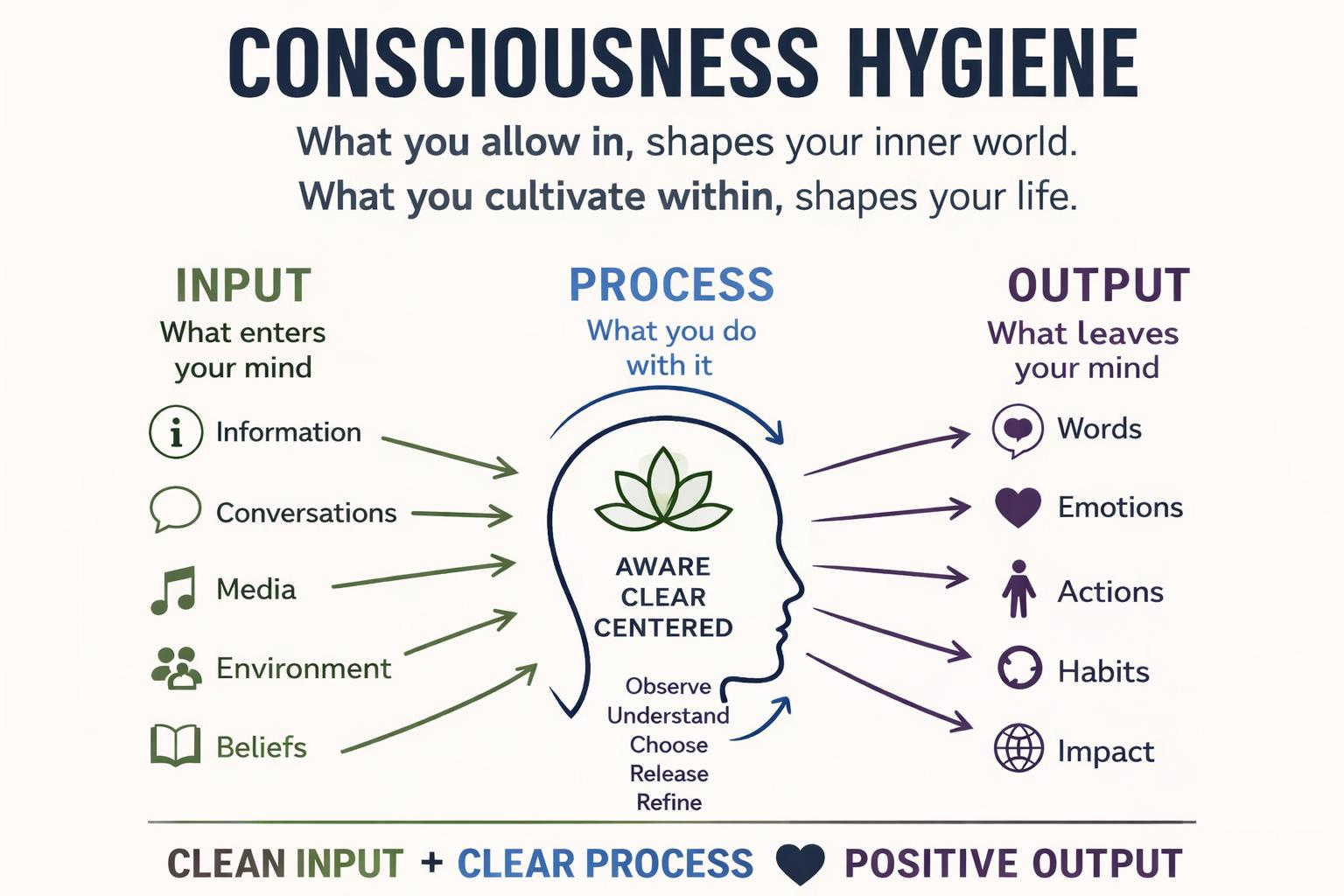
It involves being mindful about what enters, circulates within, and exits the mind.

For anyone with a background in holistic health, martial arts, and Eastern philosophy, the concept aligns very closely with principles found in Daoist cultivation, Buddhist mindfulness, and Stoic philosophy, even though the modern term itself is relatively new.

1. The Basic Idea: The Mind Also Needs Hygiene

Just as the body requires:

  • clean food
  • clean air
  • movement
  • rest

The mind requires similar care.

Without intentional care, the mind becomes cluttered with:

  • excessive information
  • emotional residue
  • negative conditioning
  • media overload
  • stress loops

Modern psychology often refers to this as cognitive load or mental contamination. In a holistic sense, consciousness hygiene asks:

  • What are you feeding your mind?
  • What thoughts are you repeating?
  • What emotional states are you cultivating?

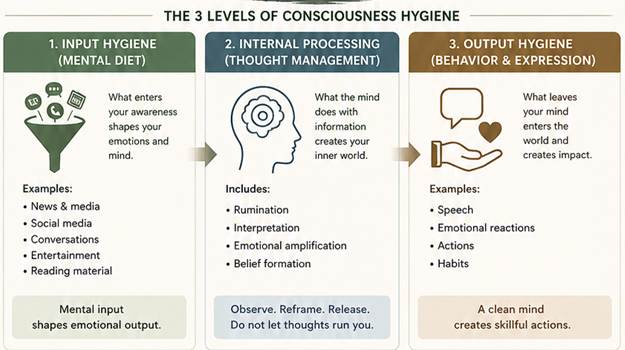
2. Three Levels of Consciousness Hygiene

Many thinkers describe it in three stages.

Level 1 – Input Hygiene (Mental Diet)

What enters your awareness.

Examples include:

  • news consumption
  • social media
  • conversations
  • music and entertainment
  • reading material

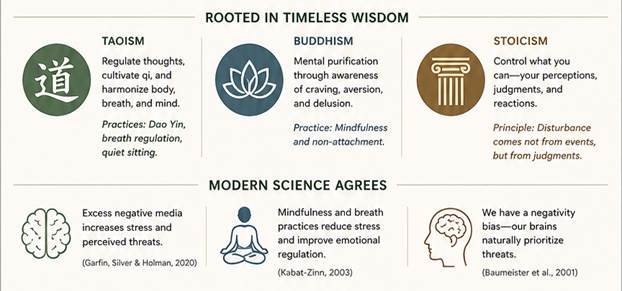
Research shows that excessive exposure to negative media increases anxiety, stress hormones, and perceived threat levels (Garfin, Silver, & Holman, 2020).

In practical terms:

Mental input shapes emotional output.

This aligns strongly with the martial arts idea of guarding the gates of perception.

Level 2 – Internal Processing (Thought Management)

What the mind does with incoming information.

This includes:

  • rumination
  • interpretation
  • emotional amplification
  • belief formation

Cognitive psychology shows that humans tend toward negativity bias, meaning the brain naturally prioritizes threat-related information (Baumeister et al., 2001).

Consciousness hygiene therefore includes:

  • reframing thoughts
  • observing internal dialogue
  • preventing mental spirals

In meditation traditions, this is simply watching the mind without attachment.

Level 3 – Output Hygiene (Behavior and Expression)

What leaves the mind and enters the world.

Examples include:

  • speech
  • emotional reactions
  • actions
  • habits

If the mind is cluttered with anger or fear, those emotions leak into behavior.

Healthy consciousness hygiene leads to:

  • clearer thinking
  • calmer reactions
  • intentional behavior

3. Ancient Traditions Already Practiced It

Although the phrase is modern, the practice is ancient.

Taoism

Taoist cultivation emphasized:

  • regulating thoughts
  • calming emotional turbulence
  • circulating qi

Practices such as Dao Yin, breath regulation, and quiet sitting were methods of clearing the mind.

Buddhism

Buddhist teachings describe mental purification.

Meditation trains awareness to observe:

  • craving
  • aversion
  • delusion

These are considered pollutants of consciousness.

Stoicism

Stoic philosophers like Epictetus and Marcus Aurelius emphasized controlling:

  • perceptions
  • judgments
  • emotional reactions

Their view:

Disturbance comes not from events, but from the judgments we make about them.

This is essentially cognitive hygiene.

4. Modern Psychological Parallels

Modern research touches the same concept using different terminology.

Relevant areas include:

  • Mindfulness training
  • Cognitive behavioral therapy (CBT)
  • Stress inoculation
  • Emotional regulation

Mindfulness practices, for example, have been shown to reduce stress and improve emotional regulation (Kabat-Zinn, 2003).

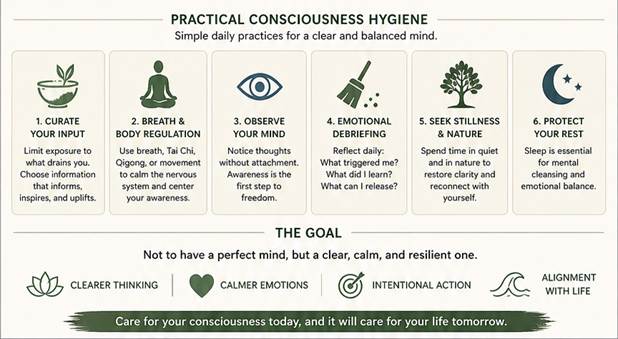
5. Practical Examples of Consciousness Hygiene

Daily practices might include:

Mental Diet

Limiting exposure to:

  • sensational news
  • toxic social media
  • constant information flow

Breath and Body Regulation

Practices such as:

  • meditation
  • Tai Chi
  • Qigong
  • controlled breathing

These calm the autonomic nervous system and reduce stress.

Tai Chi and qigong, these practices are actually classic methods of consciousness hygiene, even though they are often described as physical exercise.

Emotional Debriefing

Reflecting on the day:

  • What triggered me?
  • What did I learn?
  • What should I release?

Mental Stillness

Moments of quiet:

  • meditation
  • walking in nature
  • silent reflection

These clear cognitive overload.

6. Why Consciousness Hygiene Matters Today

Modern humans are exposed to more information in a single day than people centuries ago experienced in weeks.

Without conscious filtering, this leads to:

  • chronic stress
  • anxiety
  • attention fragmentation
  • emotional reactivity

Therefore, consciousness hygiene is becoming increasingly important.

It is essentially self-defense for the mind.

7. A Simple Definition

A concise way to describe it is:

Consciousness hygiene is the intentional practice of protecting, regulating, and refining the contents of one’s awareness.

It includes:

  • managing mental inputs
  • regulating internal thoughts
  • cultivating healthy emotional states

In many ways, Tai Chi, breathwork (managed breathing), and Dao Yin are forms of consciousness hygiene.

The slow movement, breath coordination, and attention training all serve to clean the mind while regulating the nervous system.

References

Baumeister, R. F., Bratslavsky, E., Finkenauer, C., & Vohs, K. D. (2001). Bad is stronger than good. Review of General Psychology, 5(4), 323–370. https://doi.org/10.1037/1089-2680.5.4.323

Garfin, D. R., Silver, R. C., & Holman, E. A. (2020). The novel coronavirus (COVID-2019) outbreak: Amplification of public health consequences by media exposure. Health Psychology, 39(5), 355–357. https://doi.org/10.1037/hea0000875

Kabat-Zinn, J. (2003). Mindfulness-based interventions in context: Past, present, and future. Clinical Psychology: Science and Practice, 10(2), 144–156. https://doi.org/10.1093/clipsy.bpg016