The Splinter Effect and the Body’s Adaptive Power: How Micro-trauma Builds Strength

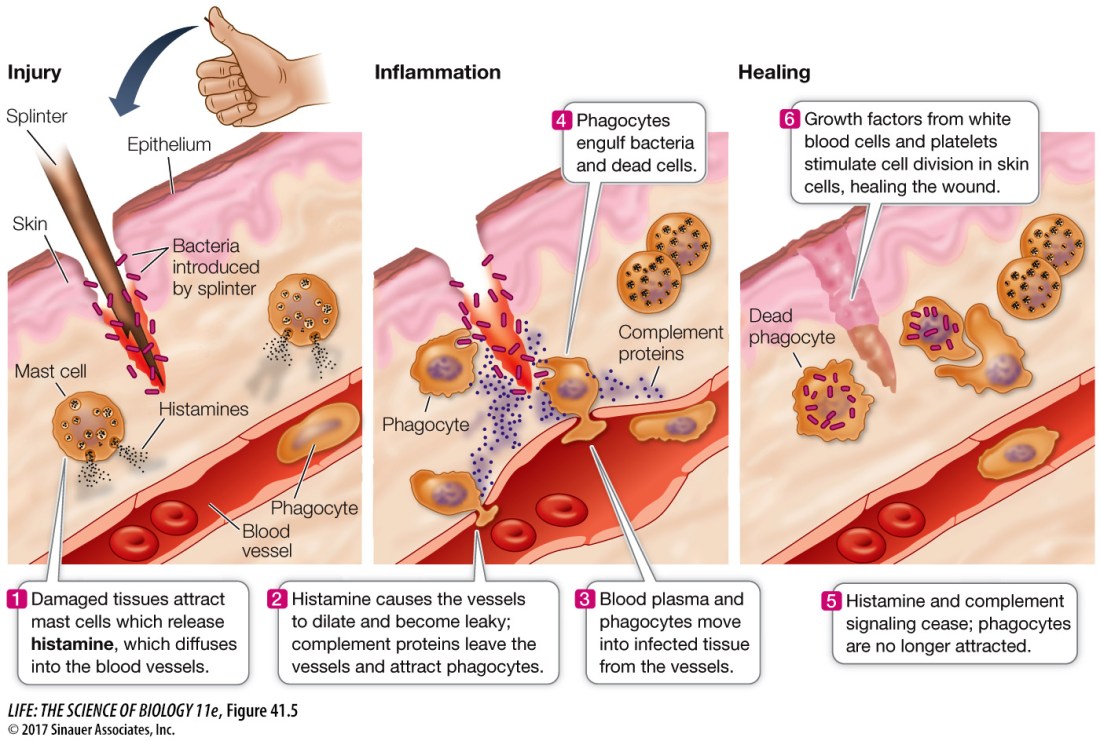
Our bodies are remarkably designed to respond, adapt, and grow stronger when exposed to controlled challenges. I have come to know of the body’s natural response to minor injuries, as The “Splinter Effect,” (Birch, 2003; Birch and Felt, 1999). This term highlights the cascade of vascular and immune responses that occur after a puncture (such as from a splinter) or trauma, illustrating the body’s ability to control damage, prevent infection, and facilitate tissue repair. This concept parallels established understandings of the inflammatory and healing processes, such as those detailed by Micozzi (2011).
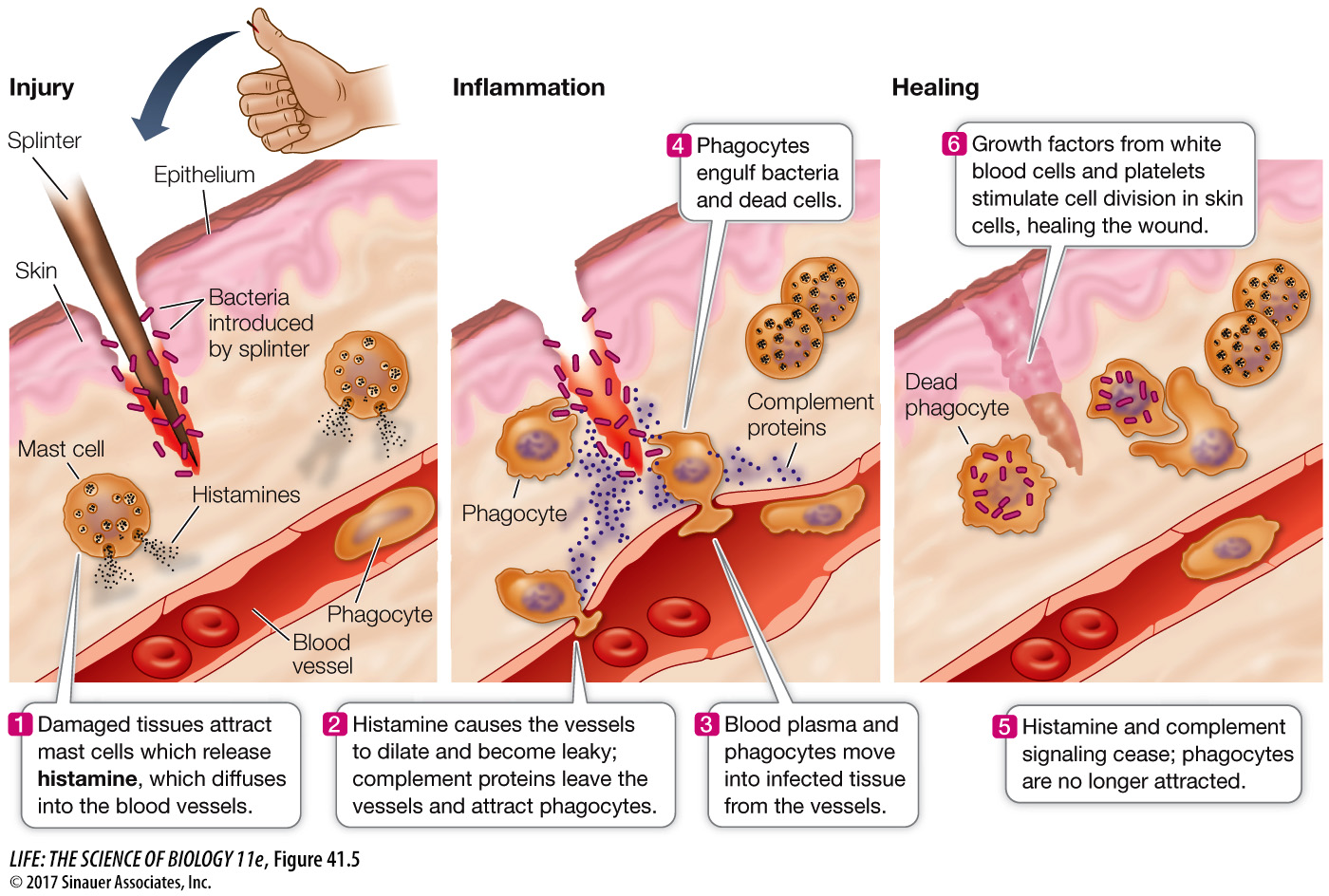
(Life11e_Ch41, 2017)

Interestingly, this same biological principle applies to how the body responds to the small, intentional stresses placed on muscles, bones, and tissues through strategic physical exertion. This concept is also sometimes referred to as exercise-induced microtrauma, strategic or hermetic trauma. Just as the body heals and strengthens itself after encountering a splinter, it undergoes a similar process when recovering from the controlled damage caused by exercise, ultimately leading to increased strength, resilience, and adaptability.

Understanding the Splinter Effect

The Splinter Effect describes three distinct stages that occur in response to tissue damage:

1. Vasoconstriction: Immediate Defense (Duration: ~20 minutes)

  • Blood vessels constrict to minimize blood loss and prevent the spread of microorganisms.
  • The body contains the damage and initiates a defensive response.

2. Vasodilation: Recruitment of Immune Cells (Duration: 2 to 3 hours)

  • Blood vessels widen to allow white blood cells and immune cells to reach the injured tissue.
  • Increased circulation flushes out pathogens and initiates tissue repair.

3. Vasomotion: Microvascular Pumping (Duration: ~1 hour)

  • Microscopic vessels oscillate to facilitate the removal of debris and damaged cells.
  • Tissue is nourished, oxygenated, and prepared for repair and regeneration.

These vascular and metabolic changes ultimately promote healing and prepare the tissue for future challenges.


Exercise and the Microtrauma Connection: Building Strength Through Controlled Damage

When you engage in:

– resistance training

– high-intensity exercise

– strategic physical exertion

…you introduce a form of micro-trauma to your muscles, tendons, and bones. While this might sound detrimental, this micro-damage is essential for adaptation and growth. The body responds to this stress by initiating a process remarkably similar to the Splinter Effect:

1. Vasoconstriction and Inflammatory Response (Initial 20-30 Minutes)

  • Following intense exercise, tiny tears occur in muscle fibers, prompting an immediate vasoconstrictive response.
  • Just like with a splinter, the body temporarily restricts blood flow to prevent excessive swelling and contain the initial damage.

2. Vasodilation and Immune Activation (2 to 3 Hours Post-Exercise)

  • Shortly after the initial restriction, vasodilation occurs, allowing an influx of oxygen, nutrients, and immune cells to flood the damaged area.
  • Macrophages and neutrophils break down damaged cells while stimulating the release of growth factors that promote tissue repair.
  • This phase also enhances the removal of metabolic waste products like lactic acid, reducing post-exercise soreness.

3. Vasomotion and Tissue Remodeling (1 to 2 Hours After)

  • During this phase, the rhythmic pulsing of micro vessels helps flush away damaged tissue and enhances the circulation of oxygen and nutrients.
  • Fibroblasts and satellite cells initiate tissue repair, producing collagen and new muscle fibers to replace the damaged cells.
  • This process strengthens the tissue, making it more resilient to future stress.

Bone Adaptation and Microtrauma: Building a Stronger Framework

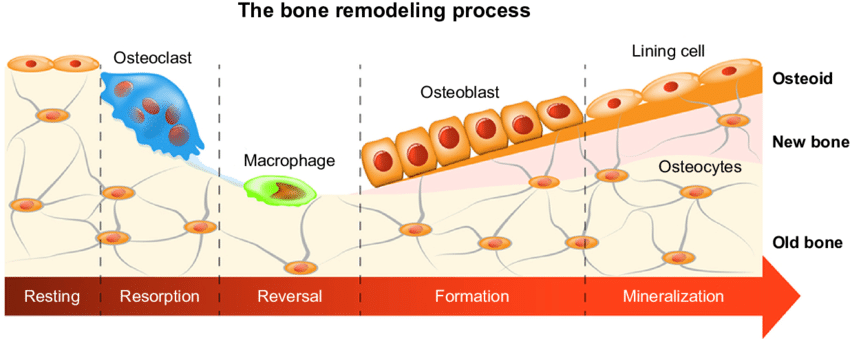
Exercise not only strengthens muscles but also stimulates bone remodeling through a similar process. When bones experience microtrauma from weight-bearing or high-impact activities:

  • Osteoblasts are activated to deposit new bone tissue.
  • Over time, bones become denser and stronger in response to increased mechanical stress.
  • This mechanism helps prevent osteoporosis and enhances bone resilience, especially when combined with adequate nutrition, including vitamin D and calcium.
The Role of Strategic Trauma in Cardiovascular Adaptation

Interestingly, the cardiovascular system also benefits from controlled stress. Aerobic and high-intensity interval training (HIIT) create microtrauma and oxidative stress within the vascular system:

  • Endothelial cells release nitric oxide, promoting vasodilation and improving blood vessel flexibility.
  • Over time, regular cardiovascular stress leads to the growth of new capillaries, enhancing circulation and oxygen delivery to tissues.

The Principle of Hormesis: What Doesn’t Kill You Makes You Stronger

The biological response to controlled microtrauma is an example of hormesis, a process where exposure to mild stress stimulates adaptive responses that strengthen the body. Just as repeated exposure to small challenges prepares the body for more significant threats, strategic trauma through exercise enhances strength, resilience, and longevity.

Examples of Hormetic Adaptations:

  • Strength Training: Microtears in muscle fibers stimulate growth and hypertrophy.
  • Cold Exposure: Promotes vasoconstriction and metabolic adaptation.
  • Heat Stress (Sauna): Enhances heat shock protein production and improves cellular repair.
  • Intermittent Fasting: Induces cellular autophagy and improves metabolic flexibility.

Applying the Splinter Effect to Holistic Health

The correlation between the Splinter Effect and exercise-induced micro-trauma highlights the body’s innate ability to adapt and thrive under controlled stress. To leverage this adaptive capacity, consider incorporating the following principles into your wellness routine:

1. Progressive Overload

Gradually increase the intensity, duration, or resistance of your exercise routine to continually challenge your body and promote adaptation.

2. Adequate Recovery

Just as the body needs time to repair after a splinter wound, adequate rest and recovery are essential for tissue repair and growth following intense exercise.

3. Anti-Inflammatory Nutrition

Support tissue healing by consuming anti-inflammatory foods rich in antioxidants, omega-3 fatty acids, and essential vitamins and minerals.

4. Mindful Stress Management

Manage external stressors to ensure that the body’s adaptive responses are not overwhelmed by chronic inflammation, which can inhibit proper healing and adaptation.


Conclusion: Strength Through Controlled Challenge

The Splinter Effect beautifully illustrates how the body responds to injury by initiating a cascade of vascular and immune responses that promote healing and strengthen tissues. This same biological mechanism underlies how strategic trauma through exercise and controlled stress transforms the body, enhancing strength, endurance, and resilience.

By understanding and embracing these natural processes, we can optimize our fitness, protect against injury, and cultivate a body that thrives under pressure, just as nature intended.

References

Birch S, Felt R. (1999) Understanding acupuncture. Churchill Livingstone: London

life11e_ch41. (2017). https://digfir-published.macmillanusa.com/life11e/life11e_ch41_40.html

Micozzi, Marc S. (2011) Fundamentals of Complementary, Alternative, and Integrative Medicine – E-Book (p. 536). Elsevier Health Sciences. Kindle Edition.

Peake, J., Neubauer, O., Della Gatta, P., & Nosaka, K. (2017). Muscle damage and inflammation during recovery from exercise. Journal of Applied Physiology, 122(3), 559-570. https://doi.org/10.1152/japplphysiol.00971.2016

Schoenfeld, B. J. (2010). The mechanisms of muscle hypertrophy and their application to resistance training. Journal of Strength and Conditioning Research, 24(10), 2857-2872. https://doi.org/10.1519/JSC.0b013e3181e840f3

I look forward to further sharing more of my message by partnering with hospitals, wellness centers, VA centers, schools on all levels, businesses, and individuals who see the value in building a stronger nation through building a healthier population.

I also have hundreds of FREE education video classes, lectures, and seminars available on my YouTube channel at:

https://www.youtube.com/c/MindandBodyExercises

Many of my publications can be found on Amazon at:

http://www.Amazon.com/author/jimmoltzan

My holistic health blog is available at:

https://mindandbodyexercises.wordpress.com/

http://www.MindAndBodyExercises.com

Mind and Body Exercises on Google: https://posts.gle/aD47Qo

Jim Moltzan

407-234-0119

Yoga is More Than Glorified Stretching

As a practitioner of martial arts (kung fu and styles of Tai Chi and BauaZhang), yoga, qigong, and dao yin (martial arts yoga) for over 40 years, I can vouch for the vast amount of mental and physical benefits that not only have I received, but others that I have either taught or trained with. Qigong and martial arts are deeply rooted in the 8 Limbs of Ayurveda, and concerning this post, yogic practices of asanas or physical postures.

The BBC article “How Yoga Can Rewire Your Brain and Improve Your Mental Health” discusses recent findings on how yoga practice can have effects on brain structure and function, highlighting its potential mental health benefits. Recent research indicates that regular yoga practice can lead to physical changes in the brain, such as increased gray matter, which is associated with improved cognitive functions and emotional regulation. These neurological alterations may contribute to symptoms of less anxiety and depression. The article emphasizes that yoga’s combination of physical postures, breathing exercises, and meditation not only enhances physical well-being but also offers significant mental health advantages. For the purpose of my post, I will refer to yoga, qigong, and dao yin interchangeably, as they all are on some level the same type of physical, mental, and spiritual exercises.

The Science Behind Yoga (Qigong & Dao Yin): How It Rewires Your Brain and Enhances Mental Health

In recent years, yoga has gained more widespread recognition not just for its physical benefits but also for its significant impact on mental well-being. Research now suggests that regular and consistent yoga practice can help to rewire the brain, improving cognitive function, emotional regulation, and stress management. How do these ancient practices impact modern neuroscience? I will summarize some amazing connections between these mind-body practices and brain health.

Enhancing Neuroplasticity

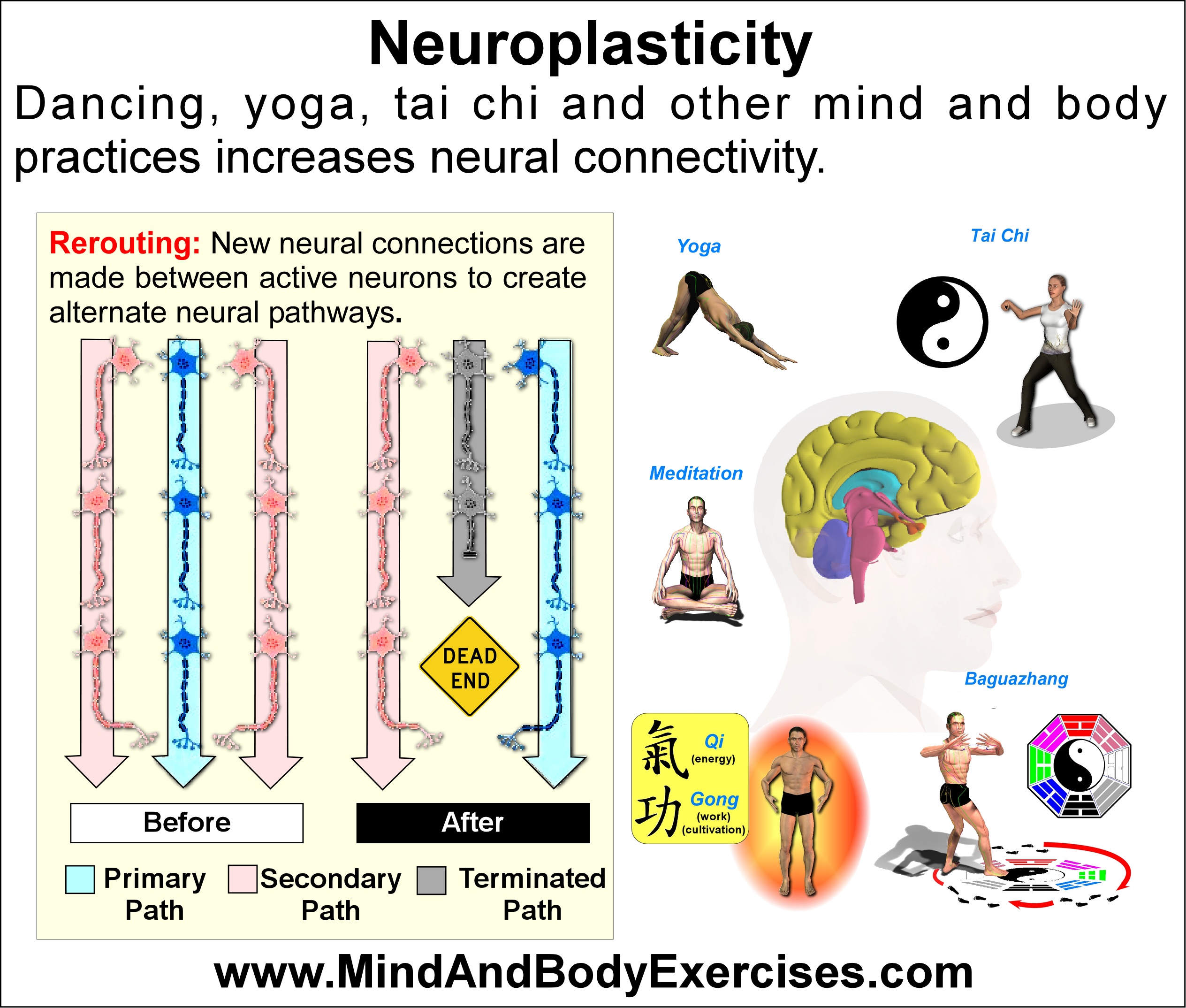
Yoga has been shown to promote neuroplasticity, which is the brain’s ability to reorganize and form new neural connections. Research studies using MRI scans have found increased gray matter density in the hippocampus and prefrontal cortex of yoga practitioners. These areas are important for memory, self-awareness, and emotional regulation, suggesting that yoga can help individuals become more adaptable to stress and improve various cognitive functions.

Reducing Anxiety and Depression

One of yoga’s most significant mental health benefits is its ability to alleviate anxiety and depression. Research indicates that yoga decreases cortisol, the body’s primary stress hormone, while boosting gamma-aminobutyric acid (GABA), a neurotransmitter that promotes relaxation. These biochemical changes contribute to a calmer, more balanced state of mind, making yoga an effective tool for managing mood disorders.

The Role of Breathwork and Meditation

Beyond the asanas or physical postures, yoga incorporates breathwork (pranayama) and meditation, both of which play a vital role in mental health. Deep, regulated breathing stimulates the parasympathetic nervous system, reducing the body’s fight-or-flight response. Meditation fosters mindfulness, promoting present-moment awareness and reduction of rumination, two key factors in maintaining emotional stability.

Cognitive Benefits and Emotional Regulation

Practicing yoga and other mind-body methods have been linked to increased cognitive function, including better focus, memory, and decision-making. The increased activity in the prefrontal cortex enhances executive functions, allowing individuals to better manage stress more effectively and respond to challenges with greater clarity.

Yoga as a Holistic Mental Health Solution

Pharmaceutical treatments usually target specific symptoms, whereas yoga offers a comprehensive approach to mental wellness. By integrating physical movement, breath control, and mindfulness, yoga cultivates overall brain health and emotional resilience. Whether practicing at a studio, school, outdoors, or at home, yoga, qigong, and dao yin provide a natural, often inexpensive, and accessible way to improve mental well-being.

Final Thoughts

To me, the evidence is quite clear that the mind-body methods of yoga, qigong, and daoyin are not just a workout; they are powerful tools for brain health and mental clarity. By supplementing some of these methods into your routine, you can strengthen your mind, reduce stress, and cultivate emotional balance. Whether you’re a beginner or an experienced practitioner, the benefits of these extend far beyond the mat or studio, offering a holistic path to overall well-being.

I teach and offer lectures about holistic health, physical fitness, stress management, human behavior, meditation, phytotherapy (herbs), music for healing, self-massage (acupressure), Daoyin (yoga), qigong, tai chi, and baguazhang.

Please contact me if you, your business, organization, or group, might be interested in hosting me to speak on a wide spectrum of topics relative to better health, fitness, and well-being.

I look forward to further sharing more of my message by partnering with hospitals, wellness centers, VA centers, schools on all levels, businesses, and individuals who see the value in building a stronger nation through building a healthier population.

I also have hundreds of FREE education video classes, lectures, and seminars available on my YouTube channel at:

https://www.youtube.com/c/MindandBodyExercises

Many of my publications can be found on Amazon at:

http://www.Amazon.com/author/jimmoltzan

My holistic health blog is available at:

https://mindandbodyexercises.wordpress.com/

http://www.MindAndBodyExercises.com

Mind and Body Exercises on Google: https://posts.gle/aD47Qo

Jim Moltzan

407-234-0119
The Illusion of “Healthcare”

A System Focused More on Disease Management Than Health Creation

The United States is often praised for having one of the most technologically advanced healthcare systems in the world. In many respects, this praise is justified. Acute trauma care, emergency medicine, surgical intervention, and crisis stabilization are among the best available anywhere on the planet. If someone is involved in a severe automobile accident, experiences a major cardiac event, or requires emergency surgery, American hospitals and specialists can often provide rapid and lifesaving treatment with remarkable efficiency.

However, this success in acute care frequently creates the illusion that the overall healthcare system itself is healthy. The reality is far more complicated. While the United States excels in emergency and high-tech intervention, it performs poorly in many areas involving chronic disease prevention, long-term wellness, and quality of life. In many ways, the system appears designed more for managing disease than creating health (Marmot, 2015).

Chronic illnesses such as obesity, diabetes, cardiovascular disease, hypertension, autoimmune disorders, anxiety, depression, and osteoporosis continue to rise at alarming rates throughout the American population. What is perhaps most concerning is that many of these conditions are now appearing in children and adolescents at rates previously associated primarily with older adults (Centers for Disease Control and Prevention [CDC], 2024). Childhood obesity, insulin resistance, type 2 diabetes, fatty liver disease, and mental health disorders have all increased significantly over the past several decades (Hales et al., 2020).

This raises an uncomfortable but necessary question: If the healthcare system is truly succeeding, why are so many people becoming chronically ill in the first place?

According to the Centers for Disease Control and Prevention, approximately 6 in 10 American adults live with at least one chronic disease, while 4 in 10 live with two or more chronic conditions (CDC, 2024). In addition, a substantial portion of the population takes at least one prescription medication daily, with many individuals taking multiple pharmaceuticals simultaneously. While medications can certainly save lives and improve symptoms, they often address the manifestations of disease rather than the underlying causes.

A society that normalizes widespread chronic illness while relying heavily on pharmaceutical intervention cannot honestly be described as truly healthy.

One of the greatest weaknesses within the American healthcare model is that genuine self-care education is often introduced far too late. Many individuals are never truly taught how to care for their bodies, regulate stress, nourish themselves properly, sleep effectively, or develop long-term health discipline during their formative years. Instead, wellness education is often fragmented, inconsistent, or overshadowed by commercialized food systems, sedentary lifestyles, digital overstimulation, and increasingly stressful environments.

Children today grow up immersed in environments that encourage excessive sitting, screen dependency, processed food consumption, sleep disruption, and chronic mental overstimulation. Physical education programs have been reduced in many schools, outdoor activity has declined, and many young people receive more education about passing standardized tests than about maintaining their own physical and mental well-being.

This is particularly troubling because habits formed in childhood often become the behavioral foundations carried into adulthood. Research consistently demonstrates that lifestyle patterns involving diet, exercise, stress regulation, sleep, and emotional coping are strongly predictive of long-term health outcomes (Fogelholm, 2010). In many ways, adult disease frequently begins as childhood behavior patterns reinforced over time.

If young people were educated thoroughly in health, wellness, self-regulation, nutrition, physical movement, emotional resilience, and self-responsibility through at least mid-adolescence, society might eventually see dramatic reductions in preventable chronic disease. True healthcare should begin long before the first diagnosis appears.

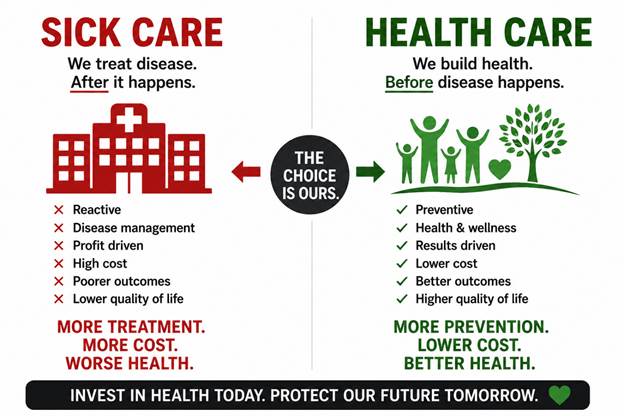
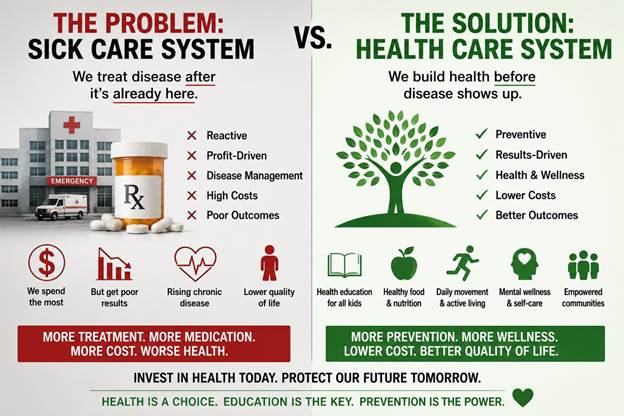
Unfortunately, much of modern healthcare remains reactive rather than proactive. A reactive system waits until symptoms become problematic enough to require intervention. A proactive system seeks to cultivate resilience, vitality, and prevention before disease develops. These are fundamentally different philosophies.

The financial structure of the American healthcare industry also creates difficult ethical questions. The United States spends more on healthcare than any other developed nation, yet its overall outcomes in life expectancy, chronic disease burden, obesity rates, and general wellness often rank poorly compared to many other industrialized countries (Tikkanen & Abrams, 2020). This contradiction suggests that simply spending more money on healthcare does not necessarily create a healthier population.

When healthcare becomes deeply intertwined with corporate profit structures, pharmaceutical dependency, insurance complexity, and symptom management, the incentives may gradually shift away from long-term prevention and toward ongoing treatment. A profit-driven system naturally benefits when more individuals require continuous care, medications, procedures, and long-term management.

This does not imply that healthcare professionals themselves are malicious or uncaring. In fact, many doctors, nurses, therapists, and healthcare workers enter their professions with sincere intentions to help others. However, even compassionate professionals are often working within a larger system shaped by economics, bureaucracy, insurance limitations, pharmaceutical influence, and institutional pressures.

The result is a culture where true health creation is frequently overshadowed by disease maintenance.

From a holistic perspective, genuine health involves far more than simply suppressing symptoms or surviving illness. Health includes physical vitality, emotional balance, mental clarity, meaningful social connection, purpose, movement, proper nutrition, restorative sleep, stress management, and personal responsibility. These are foundational principles recognized not only in modern lifestyle medicine but also throughout many traditional systems of wellness, including Traditional Chinese Medicine, Daoist philosophy, and numerous indigenous healing traditions (Sagner et al., 2014).

Ironically, many ancient wellness systems emphasized prevention thousands of years ago, while modern industrial healthcare systems are only recently beginning to rediscover the importance of lifestyle intervention, exercise, mindfulness, breath regulation, nutrition, and stress reduction. In some respects, the healthcare system appears to be decades behind where preventive education should already be.

The solution is not to abandon modern medicine. Emergency medicine, surgery, diagnostics, antibiotics, and acute intervention remain extraordinary achievements that save countless lives. The true challenge is integration. Society must move beyond a model that merely treats disease after it develops and toward one that actively cultivates healthier human beings from childhood onward.

A healthier future will require a cultural shift toward education, prevention, self-responsibility, and empowerment. People must be taught not only how to survive illness, but how to build resilience before illness arises. Health should not simply mean the absence of disease. It should mean the presence of vitality, adaptability, balance, and quality of life.

Until healthcare becomes more results-driven than profit-driven, and until wellness education becomes as important as academic achievement, the cycle of chronic disease will likely continue.

The health of a nation ultimately reflects the habits, values, education, and priorities of its people and institutions alike.

References

Centers for Disease Control and Prevention. (2024). About chronic diseases. CDC Chronic Disease Information

Fogelholm, M. (2010). Physical activity, fitness and fatness: Relations to mortality, morbidity and disease risk factors. Obesity Reviews, 11(3), 202–221. https://doi.org/10.1111/j.1467-789X.2009.00653.x

Hales, C. M., Carroll, M. D., Fryar, C. D., & Ogden, C. L. (2020). Prevalence of obesity and severe obesity among adults and youth: United States, 2017–2018. National Center for Health Statistics. https://www.cdc.gov/nchs/products/databriefs/db360.htm

Marmot, M. (2015). The health gap: The challenge of an unequal world. Bloomsbury Publishing. https://archive.org/details/healthgapchallen0000marm

Sagner, M., Katz, D., Egger, G., Lianov, L., Schulz, K., Braman, M., . . . Ornish, D. (2014). Lifestyle medicine potential for reversing a world of chronic disease epidemics: from cell to community. International Journal of Clinical Practice, 68(11), 1289–1292. https://doi.org/10.1111/ijcp.12509

Tikkanen, R., & Abrams, M. K. (2020). U.S. Health Care from a Global Perspective, 2019: Higher Spending, Worse Outcomes? The Commonwealth Fund Website. https://doi.org/10.26099/7avy-fc29

Inherent Human Traits – Biological Foundations and Cultural Expressions

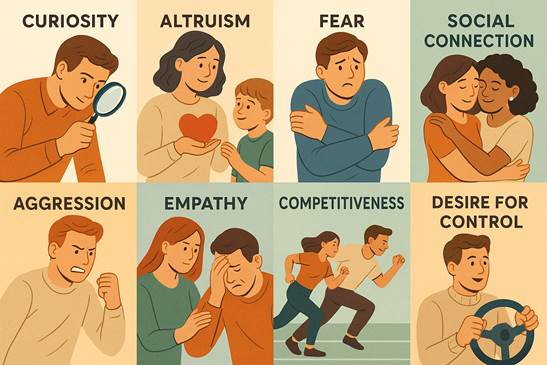
Human behavior reflects a dynamic interplay between biological predispositions and environmental influences. While cultural and individual factors shape the expression of personality and behavior, certain traits appear to be deeply rooted in human nature. Traits such as curiosity, altruism, fear, social connection, aggression, empathy, competitiveness, and the desire for control reveal evolutionary origins that supported survival and adaptation. Understanding these intrinsic tendencies provides valuable insight into both the shared human condition and the diversity of modern expression.

Curiosity and the Drive to Explore

Curiosity is among the most fundamental human motivations, underpinning learning and innovation. Neuroscientific research identifies dopaminergic activity in the brain’s reward circuits, particularly the striatum and hippocampus, as key drivers of exploratory behavior and intrinsic motivation (Gruber et al., 2014). From an evolutionary perspective, curiosity increased the likelihood of discovering resources and understanding environmental threats, which in turn enhanced survival. In modern society, curiosity fuels scientific advancement, creativity, and lifelong learning, representing an adaptive mechanism for both individual and cultural evolution (Kidd & Hayden, 2015).

Altruism and Cooperation

Altruism, or prosocial behavior that benefits others even at personal cost, has been a critical component of human social evolution. Theories of reciprocal altruism suggest that cooperative behavior evolved because individuals who supported one another gained long-term survival advantages (Trivers, 1971). Neuroscience further supports this view, helping behaviors activate reward regions of the brain, reinforcing social cooperation (Moll et al., 2006). Today, altruism manifests in charitable acts, community involvement, and empathetic caregiving, underscoring the deep interdependence of human societies.

Fear and Caution as Adaptive Mechanisms

Fear, though often perceived negatively, serves as an essential biological safeguard. The amygdala is a key brain structure for emotional processing, which plays a central role in detecting threats and initiating the fight-or-flight response (LeDoux, 2014). This reflexive system enabled early humans to avoid predators and hazards, directly contributing to survival. In modern contexts, the same mechanisms underlie anxiety and risk aversion. While excessive fear can impair well-being, appropriate caution remains an adaptive function in decision-making and personal safety.

Social Connection and the Need to Belong

Humans are inherently social beings whose survival once depended on belonging to cooperative groups. Baumeister and Leary’s (1995) seminal “belongingness hypothesis” posits that the desire for meaningful relationships is a fundamental human motivation. Social bonds reduce stress, promote physical health, and increase lifespan through neurobiological pathways involving oxytocin and serotonin (Heinrichs et al., 2009). Conversely, loneliness has been linked to increased inflammation and mortality risk (Holt-Lunstad et al., 2015). The drive for connection continues to shape human behavior, from family structures to virtual communities, demonstrating its evolutionary and psychological significance.

Aggression and the Duality of Protection and Conflict

Aggression, often viewed as destructive, is another evolutionary inheritance. In ancestral environments, assertive or aggressive behavior could secure territory, resources, and protection for kin. Evolutionary psychology suggests that controlled aggression was adaptive when balanced by social cooperation (Archer, 2009). Modern societies, however, channel this trait into structured domains such as sports, competition, and leadership, reflecting humanity’s capacity to sublimate primal drives into socially acceptable outlets.

Empathy and Emotional Intelligence

Empathy, the capacity to perceive and share others’ emotions, underlies social harmony and moral behavior. It is neurologically supported by mirror neuron systems that activate when one observes another’s actions or emotions (Decety & Jackson, 2006). From an evolutionary lens, empathy promotes group cohesion and caregiving, especially toward offspring and vulnerable members. In modern psychological contexts, empathy forms a cornerstone of emotional intelligence, leadership, and therapeutic practices, illustrating its enduring role in social and ethical development.

Competitiveness and the Pursuit of Status

Competitiveness has roots in sexual and natural selection. Individuals who displayed resourcefulness, skill, or social dominance were more likely to secure mates and resources (Buss, 1989). In contemporary contexts, competitiveness often manifests through achievement-oriented behavior in education, business, and athletics. While excessive competitiveness can lead to stress or conflict, moderate forms drive progress, innovation, and self-improvement, indicating its adaptive duality.

Desire for Control and Predictability

The human desire for control stems from a need for predictability and autonomy in one’s environment. Psychological studies show that a sense of control reduces stress and enhances motivation (Skinner, 1996). In early human history, predictability in the environment increased survival odds, while loss of control evoked anxiety and caution. In the modern world, control manifests in planning, decision-making, and self-regulation, all key factors in well-being and resilience.

Energy-conservation Bias

Another fundamental human tendency is laziness, more accurately described as an energy-conservation bias. Evolutionarily, conserving effort was a survival mechanism—early humans who expended less energy between foraging or hunting bouts were more likely to endure periods of scarcity (Pontzer, 2015). Modern neuroscience supports this, showing that both mental and physical effort are processed as metabolic “costs” by the brain, which instinctively seeks efficiency (Shadmehr et al., 2016). Thus, the inclination to rest, avoid unnecessary exertion, or even procrastinate reflects an ancient biological economy rather than moral weakness. Without this instinct, humans might indeed remain standing or moving continuously—yet the capacity to rest and recharge is part of what sustains endurance, creativity, and survival.

Conclusion

Human nature is shaped by evolutionary pressures that have embedded certain behavioral traits into our biological and psychological framework. While these tendencies of curiosity, altruism, fear, connection, aggression, empathy, competitiveness, and control, all originated as survival mechanisms, they continue to shape modern society in nuanced ways. Recognizing these traits not as fixed determinants but as potentials allows individuals to cultivate balance: curiosity tempered by wisdom, competitiveness balanced by compassion, and caution harmonized with courage. Through awareness and self-reflection, humanity can transform its primal instincts into instruments for progress and harmony.

References:

Archer, John. (2009). The nature of human aggression. International journal of law and psychiatry. 32. 202-8. 10.1016/j.ijlp.2009.04.001.

Baumeister, R. F., & Leary, M. R. (1995). The need to belong: Desire for interpersonal attachments as a fundamental human motivation. Psychological Bulletin, 117(3), 497–529. https://doi.org/10.1037/0033-2909.117.3.497

Buss, D. M. (1989). Conflict between the sexes: Strategic interference and the evocation of anger and upset. Journal of Personality and Social Psychology, 56(5), 735–747. https://doi.org/10.1037/0022-3514.56.5.735

Decety, J., & Jackson, P. L. (2006). A social–neuroscience perspective on empathy. Current Directions in Psychological Science, 15(2), 54–58. https://doi.org/10.1111/j.0963-7214.2006.00406.x

Gruber, M. J., Gelman, B. D., & Ranganath, C. (2014). States of curiosity modulate hippocampus-dependent learning via the dopaminergic circuit. Neuron, 84(2), 486–496. https://doi.org/10.1016/j.neuron.2014.08.060

Heinrichs, M., von Dawans, B., & Domes, G. (2009). Oxytocin, vasopressin, and human social behavior. Frontiers in Neuroendocrinology, 30(4), 548–557. https://doi.org/10.1016/j.yfrne.2009.05.005

Holt-Lunstad, J., Smith, T. B., Baker, M., Harris, T., & Stephenson, D. (2015). Loneliness and social isolation as risk factors for mortality: A meta-analytic review. Perspectives on Psychological Science, 10(2), 227–237. https://doi.org/10.1177/1745691614568352

Kidd, C., & Hayden, B. Y. (2015). The psychology and neuroscience of curiosity. Neuron, 88(3), 449–460. https://doi.org/10.1016/j.neuron.2015.09.010

LeDoux, J. E. (2014). Coming to terms with fear. Proceedings of the National Academy of Sciences, 111(8), 2871–2878. https://doi.org/10.1073/pnas.1400335111

Moll, J., Krueger, F., Zahn, R., Pardini, M., de Oliveira-Souza, R., & Grafman, J. (2006). Human fronto–mesolimbic networks guide decisions about charitable donation. Proceedings of the National Academy of Sciences, 103(42), 15623–15628. https://doi.org/10.1073/pnas.0604475103

Pontzer, H. (2015). Constrained total energy expenditure and the evolutionary biology of energy balance. Exercise and Sport Sciences Reviews, 43(3), 110–116. https://doi.org/10.1249/JES.0000000000000048

Shadmehr, R., Huang, H. J., & Ahmed, A. A. (2016). A representation of effort in decision-making and motor control. Current Biology, 26(14), 1929–1934. https://doi.org/10.1016/j.cub.2016.05.065

Skinner, E. A. (1996). A guide to constructs of control. Journal of Personality and Social Psychology, 71(3), 549–570. https://doi.org/10.1037/0022-3514.71.3.549

Trivers, R. L. (1971). The evolution of reciprocal altruism. Quarterly Review of Biology, 46(1), 35–57. https://doi.org/10.1086/406755

Lineage Claims, Documentation, and the Ethics of Omission

In contemporary wellness, spiritual, and martial arts communities, appeals to ancient or royal lineage are frequently used to establish credibility, legitimacy, and market value. Such claims, however, often rest on little more than family narrative, leaving the public to accept assertions without evidence. When those same families or leaders have verifiable legal or ethical controversies in their past, the selective presentation of positive stories while suppressing inconvenient truths creates a distorted portrait of authority. This article explores the tension between lineage claims and documentary evidence, and how omission and unverified narratives can distort the perception of authenticity.

The Value of Documented Lineage

Lineage is a cornerstone in many cultural traditions, whether in royal genealogies, hereditary medical practices, or martial arts lineages. Authenticity is typically verifiable through archives, registries, or institutional recognition. In Europe, for instance, royal dynasties such as the Habsburgs, Tudors, or Romanovs maintained exhaustive genealogical records, legal decrees, and official chronicles that precisely document succession, marriages, and bloodlines. These records are often traceable back centuries, leaving little ambiguity about who succeeded whom and how power and heritage were passed down.

The Confucian monarchies of East Asia provide a similarly rigorous example. As Kalton, (1989) notes in A Heritage of Kings, Korean dynasties such as the Joseon meticulously preserved royal succession records as a matter of both political legitimacy and moral governance. These archives include annals, genealogical charts, and state-sanctioned biographies, were considered essential to the moral order of the state, reflecting the Confucian belief that authority must be both inherited and documented. The process of verifying a monarch’s lineage was not merely historical curiosity; it was a core element of political stability and social harmony.

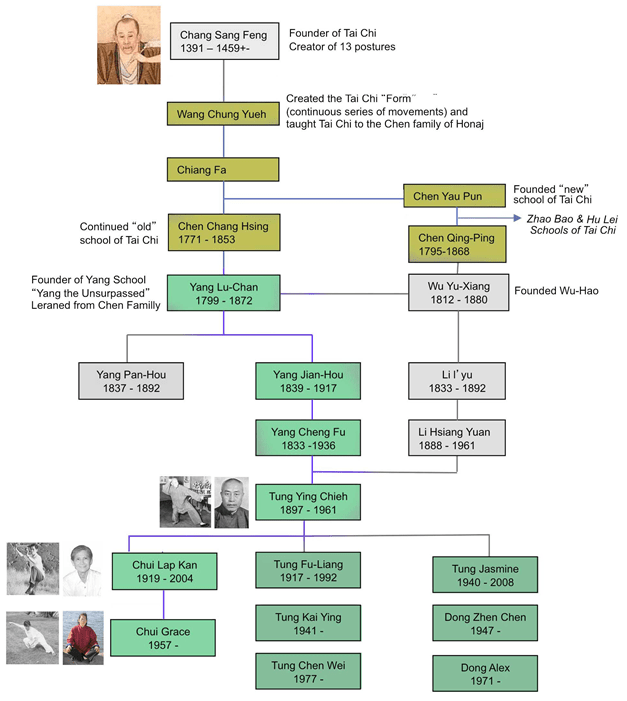
The same emphasis on verifiable lineage appears across multiple martial traditions. In China, the Chen, Yang, Wu, and Sun families of Tai Chi maintain extensive genealogical records, often detailing the names, dates, and relationships of successive masters (Wile, 1996; Henning, 1994). These are corroborated by written manuals, temple archives, and recognized lineage associations (Shahar, 2008). Likewise, systems such as Wing Chun, Shaolin, and Aikido document their transmission histories through monastic registries, institutional charters, and formal certification processes (Pranin, 1991). In Japan, arts such as Judo, Shotokan Karate, and classical koryu systems preserve official records through governing bodies and densho documents, ensuring that claims of authority can be traced and verified (Ben-Ari et al., 1999).

When modern figures assert descent from a prestigious tradition, the expectation is that verifiable records, such as birth certificates, institutional acknowledgments, lineage charts, or peer recognition will substantiate the claim. Without these, lineage becomes a matter of belief rather than fact.

Unsubstantiated Claims in Wellness and Martial Arts

By contrast, in the global wellness and martial arts industries, claims of ancient medical or spiritual lineage are often presented without supporting evidence. Oral family stories are used in lieu of records, and branding strategies highlight terms such as “royal lineage,” “master of a particular generation” or even “reached enlightened at an early age” without producing verifiable documentation. These assertions may resonate with consumers seeking authenticity, but without independent verification, they remain marketing narratives rather than historical facts.

Internal Experience Versus External Recognition

An important distinction exists between qualities that originate within an individual and those that depend upon recognition by others. Happiness, fulfillment, inner peace, wisdom, purpose, and many forms of genuine success are fundamentally internal experiences. A title, organization, institution, or teacher cannot simply make another person happy or fulfilled if those qualities are not personally experienced. They arise from one’s own character, perceptions, values, and lived experiences.

Titles, ranks, honors, offices, and lineage claims are fundamentally different. They are social constructs whose legitimacy depends upon recognition by others and, ideally, upon documentary evidence. A university degree derives its value because accredited institutions acknowledge it. Military rank exists because an established organization confers and records it. Judicial appointments, medical licensure, and academic professorships likewise depend upon institutional recognition rather than self-proclamation.

History demonstrates this principle repeatedly. There could be no King Louis XIX of France if there were no historical record identifying the eighteen Louis rulers who preceded him. There cannot be a forty-eighth President of the United States without an established succession documenting the previous forty-seven presidents. The succession of Britain’s Mountbatten-Windsor royal family is meaningful because each monarch is connected through well-preserved historical records. Even in modern commerce, Apple could hardly announce an eighteenth-generation device if there was no evidence that the previous seventeen generations ever existed. Boeing aircraft, Windows versions, or Olympic Games, with documented succession are even more straightforward.

Numbering without continuity is merely a label; continuity supported by evidence gives that label meaning.

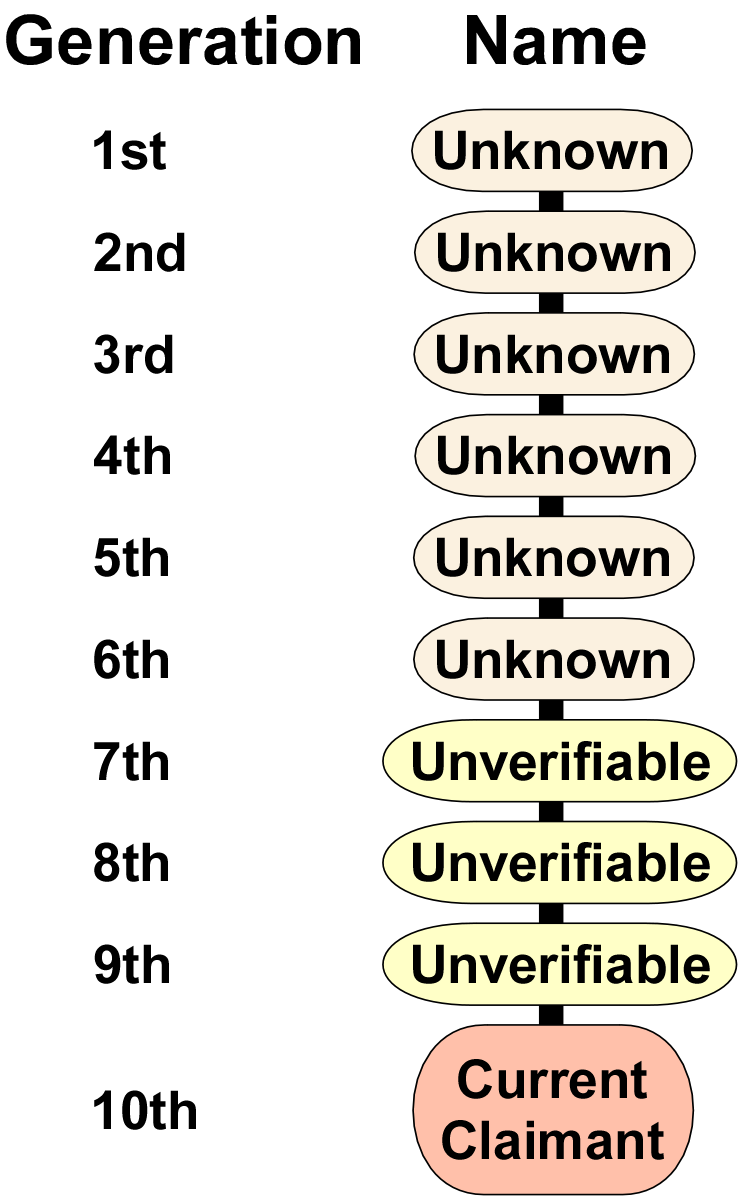
The same reasoning applies to claims of generational authority in martial arts, traditional medicine, and spiritual systems. A claim of being a tenth-, fifteenth-, or twentieth-generation successor necessarily implies that the preceding generations can be identified through credible documentation, institutional recognition, or broad peer acknowledgment. When those preceding generations cannot be established, the numerical designation itself becomes difficult to distinguish from marketing or self-promotion.

Ironically, some critics suggest that Asian cultures traditionally failed to preserve lineage documentation. The historical record demonstrates quite the opposite. The descendants of Confucius possess one of the longest continuously documented family genealogies in human history. The lineage traditionally attributed to Genghis Khan has been studied extensively through both historical scholarship and modern genetic research. Likewise, Korea’s great clan registries, including the Jeonju Yi, Gimhae Kim, Miryang Park, and Gyeongju Kim lineages, preserve family records extending back centuries. Throughout much of East Asia, genealogy was not regarded as optional; it served as a cornerstone of identity, inheritance, governance, and historical continuity. This distinction illustrates why documentation remains essential. Inner realization may require no external validation, but claims regarding historical succession, inherited authority, or generational lineage necessarily invite objective scrutiny. Extraordinary claims about historical continuity should therefore be supported by evidence commensurate with the significance of the claim.

The Problem of Selective Narratives

In many cases, leaders or organizations present a carefully curated history that emphasizes noble origins, spiritual insight, or ancient wisdom while omitting less flattering details, such as including legal actions, financial scandals, or organizational misconduct. Such omissions create an incomplete picture, raising questions about whether the narrative being offered is educational or deliberately deceptive. If an individual or group wishes to highlight ancient knowledge or moral teachings, omission of significant and verifiable historical events constitutes deception by omission. Transparency requires acknowledging both contributions and failures. Selective storytelling, particularly in industries that depend on consumer trust, undermines credibility and places the burden of due diligence on the public.

The Question of Enlightenment and the Logic of Lineage Claims

A further complication in evaluating claims of authority in spiritual or medical traditions lies in the near impossibility of objectively verifying “enlightenment.” Across philosophical and religious systems, enlightenment is often described as the culmination of inner transformation, a state beyond ego, marked by wisdom, compassion, or union with the ultimate nature of reality. Yet, despite centuries of discourse, no universally accepted standard exists for identifying or measuring such a state. There is no diploma for enlightenment, no certifying body that can issue recognition, and no empirical test that can confirm its attainment. Historically, recognition was often conferred by respected elders, monastic councils, or scholarly lineages, but even these determinations were subject to disagreement and human fallibility (Olson, 2008)

In the absence of objective criteria, claims of enlightenment frequently rely on nothing more than self-declaration or the uncritical acceptance of followers.

This ambiguity invites a deeper question: Who decides when someone is enlightened? If there is no shared standard, virtually anyone can declare themselves enlightened, just as anyone can claim descent from a royal bloodline or a centuries-old medical tradition. Without documentation, institutional recognition, or consensus within the relevant tradition, such proclamations are indistinguishable from fabrication. The same principle applies to lineage. If an individual claims to be the “next-generation successor” of a specific tradition, it is reasonable to expect that they can identify and provide credible evidence for who the preceding lineage holders were. If that information is unknown, missing, or unverifiable, the lineage ceases to function as historical fact and instead becomes an empty narrative.

The absurdity of unverifiable claims is most apparent when one considers how easily they can be fabricated. In the absence of evidence, nothing would prevent someone from declaring themselves the “twentieth-generation grand master of the Order of Come-Worship-Me.” The title would be meaningless, yet it might still carry persuasive power for those unaware of its fictitious nature. This illustrates why transparency, documentation, and peer recognition are indispensable for evaluating the legitimacy of lineage claims. Without them, assertions of enlightenment or generational authority risk being little more than sophisticated marketing or worse, deliberate deception (Lopez, 2008).

Why Is This Important?

Lineage is meaningful only insofar as it is verifiable. A truly credible heritage should be supported by documentary evidence, independent recognition, and transparency about both strengths and flaws. The danger of accepting lineage claims at face value is that the public is asked to believe in ancient wisdom while the historical record may tell a very different story. In the age of easily accessible court documents, archival materials, and digital records, unsubstantiated claims and omitted histories must be scrutinized. Otherwise, lineage becomes not a testament to history, but a tool of mythmaking.

References:

Ben-Ari, E., Friday, K. F., & Humitake, S. (1999). Legacies of the Sword: the Kashima-Shinryu and Samurai Martial Culture. Pacific Affairs, 72(1), 116. https://doi.org/10.2307/2672362

Henning, S. E. (1994). Academia encounters the Chinese martial arts. China Review International, 1(2), 321–336. https://www.jstor.org/stable/23732172

Kalton, M. C. (1989). A Heritage of Kings: One Man’s Monarchy in the Confucian World. By JaHyun Kim Haboush. Studies in Oriental Culture 21. New York: Columbia University Press, 1988. xiv, 327 pp. $35.00. The Journal of Asian Studies, 48(4), 886–887. https://doi.org/10.2307/2058186

Lopez, D. S. (2008). Buddhism and Science: A Guide for the Perplexed. University of Chicago Press.

Olson, C. (2008). Introducing Buddhism – By Charles S. Prebish and Damien Keown. Teaching Theology & Religion. https://doi.org/10.1111/J.1467-9647.2008.00447.X

Pranin, S. (1991). Aikido Masters: Prewar Students of Morihei Ueshiba. Aiki News.

Shahar, M. (2008). The Shaolin Monastery: History, Religion, and the Chinese Martial Arts. University of Hawai‘i Press. https://archive.org/details/shaolinmonastery0000shah/page/n9/mode/2up

Wile, D. (1996). Lost T’ai-chi Classics from the Late Ch’ing Dynasty. State University of New York Press. https://doi.org/10.2307/jj.18255579

Writer, T. (n.d.). The Masters – Tai Chi Club. https://www.taichiclub.com/tai-chi-history/the-masters/