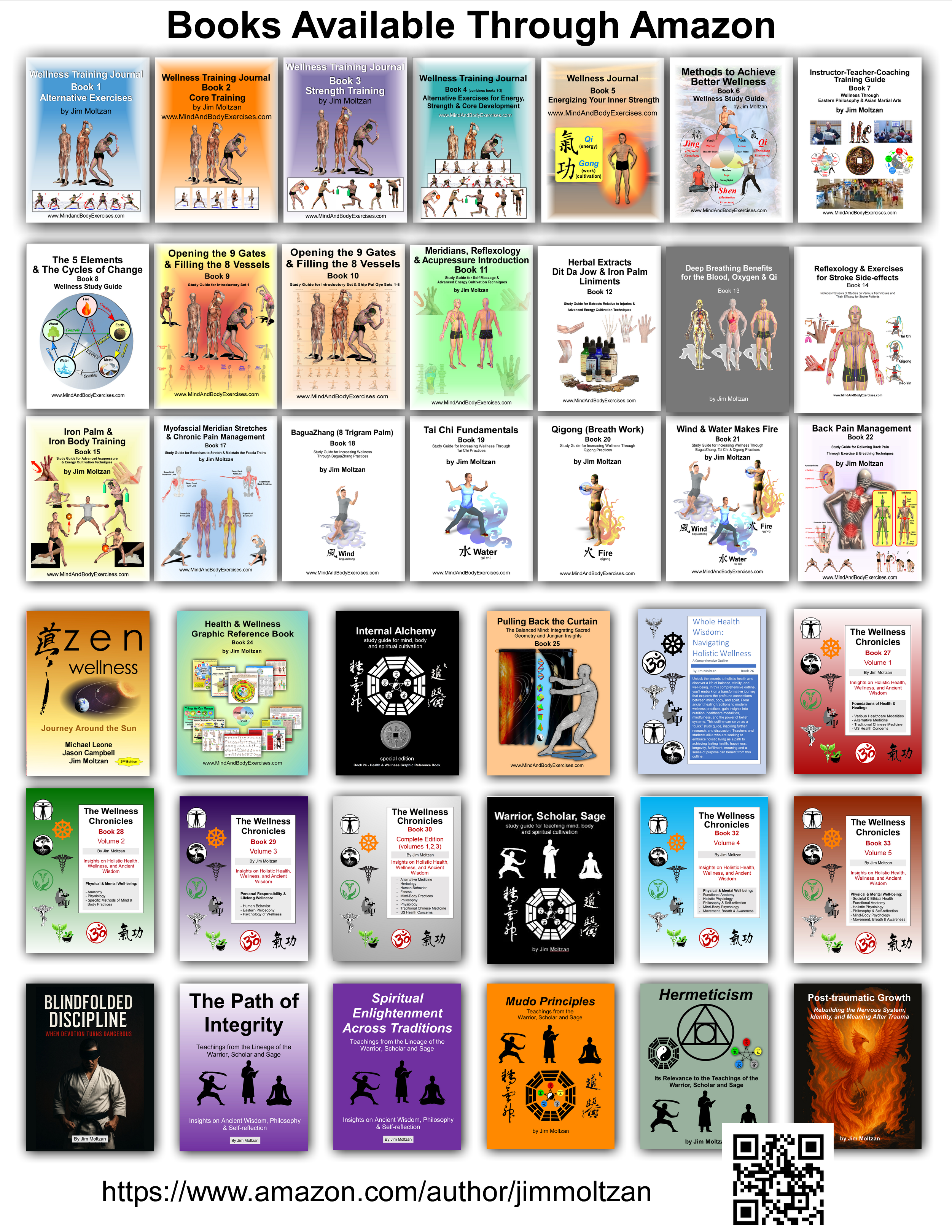
Introducing a New Series: The Architecture of the Human Journey

In a world saturated with fragmented advice on health, fitness, and personal development, there remains a need for something more complete, structured, integrated, and grounded in both lived experience and timeless principles.

Over the course of several decades of study, practice, and teaching across the fields of holistic health, martial arts, and human development, a unifying framework has gradually taken shape. This framework does not isolate the body from the mind, nor the mind from the spirit. Instead, it recognizes that human growth unfolds through the dynamic interaction of multiple systems of physical, biological, energetic, behavioral, and philosophical.

It is from this perspective that a new six-part book series emerges:

The Architecture of the Human Journey

This series is not simply a collection of books. It is a structured exploration of what it means to develop as a human being: physically, mentally, energetically, and ethically within the realities of modern life.

Each volume builds upon the others, forming a progressive pathway toward greater awareness, resilience, and self-mastery.

Book 1: The Self-Healing Body

The journey begins with the body—not as a machine to be pushed or punished, but as a living system designed for adaptation, repair, and resilience.

The Self-Healing Body explores the foundational principles of movement, posture, breathing, and recovery. It challenges the modern tendency toward inactivity and over-reliance on external interventions, instead emphasizing the body’s innate capacity to restore balance when given the proper conditions.

Readers are guided toward a deeper understanding of how daily habits of sitting, standing, walking, breathing shape long-term health outcomes. The message is clear: the body is not broken; it is often simply underused, misused, or misunderstood.

Book 2: The Biological Mind

If the body is the foundation, the mind is the regulator.

The Biological Mind examines how thoughts, emotions, stress responses, and neurological patterns influence both behavior and physiology. Rather than viewing the mind as something abstract or separate, this book presents it as a biological system, deeply connected to the nervous system, hormones, and physical health.

Topics include stress conditioning, attention, perception, and the ways in which modern environments can dysregulate natural mental processes. Readers are encouraged to recognize how their internal dialogue and external inputs shape their lived experience.

Book 3: The Energetic Body

Beyond the physical and biological lies a more subtle, yet equally important dimension: the energetic system.

The Energetic Body draws from Traditional Chinese Medicine, Daoist practices, and internal martial arts to explore concepts such as qi, meridians, breath, and internal flow. While often overlooked in Western models, these systems have guided health and movement practices for thousands of years.

This volume bridges the gap between ancient insight and modern understanding, offering practical ways to cultivate energy through breathwork, posture, and intentional movement.

Book 4: Embodied Discipline

Knowledge without application remains incomplete.

Embodied Discipline focuses on the integration of body, mind, and energy through consistent practice. It is here that theory becomes lived experience. Discipline is reframed not as rigid control, but as the steady cultivation of habits that align with one’s values and goals.

Drawing from martial arts training, this book explores how structure, repetition, and intentional challenges build not only physical capacity, but mental clarity and emotional resilience.

Book 5: The Healthcare Paradox

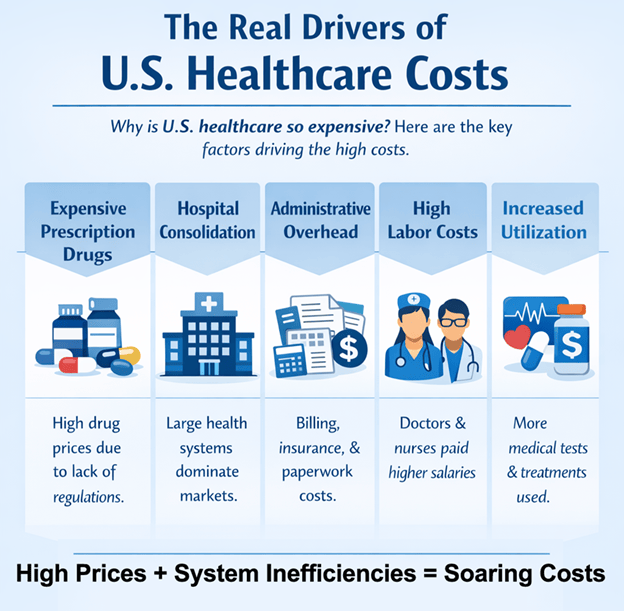
Modern healthcare offers remarkable advancements, yet widespread chronic illness continues to rise.

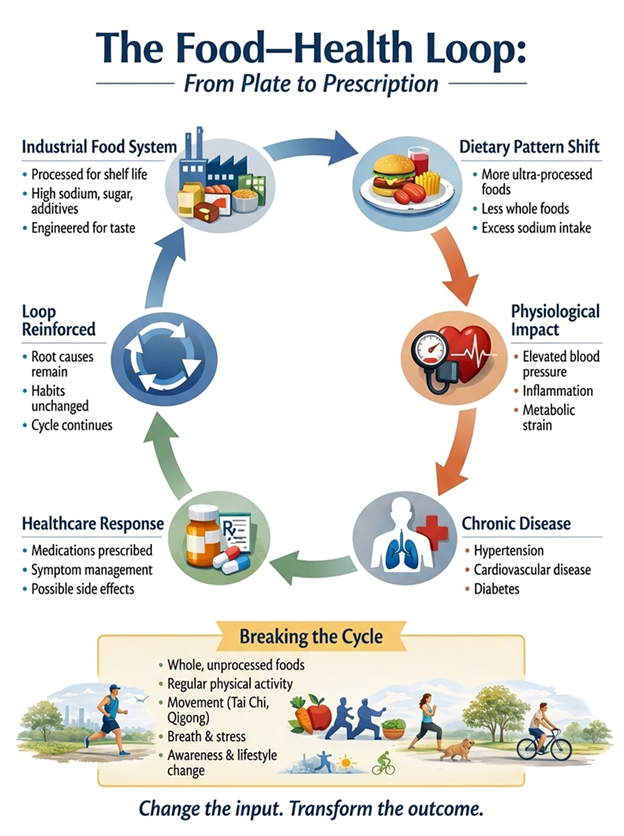
The Healthcare Paradox examines this contradiction. It explores how systems designed to treat disease often overlook the foundational behaviors that prevent it. Nutrition, movement, stress, environment, and personal responsibility all play a role, yet are frequently underemphasized.

This book does not reject modern medicine but rather places it within a broader context. One that encourages individuals to become active participants in their own health rather than passive recipients of care.

Book 6: The Human Journey

The final volume steps back to consider the broader question: What is all of this for?

The Human Journey explores meaning, purpose, relationships, and the realities of growth over a lifetime. It integrates the lessons of the previous volumes into a larger philosophical perspective, drawing from both Eastern and Western traditions.

It recognizes that strength, clarity, and health are not ends in themselves, but tools that support a more meaningful and connected life.

A Complete Framework for Modern Living

Taken together, these six books form a cohesive system:

  • The body provides structure
  • The mind provides direction
  • The energy system provides flow
  • Discipline provides integration
  • Awareness of systems provides context
  • Meaning provides purpose

This is the architecture – not of a building, but of a life.

In a time when information is abundant, but wisdom is scattered, The Architecture of the Human Journey offers a way to reconnect the pieces. It invites readers not just to learn, but to observe, reflect, and ultimately take responsibility for their own development.

This is not a quick fix or a temporary program. It is a long-term approach to living with greater awareness, strength, and integrity.

The journey is ongoing. The architecture is yours to build.

Finding the Body’s Secret Cooling Switches

When I listened to this episode of Huberman Lab Essentials, I felt like I was getting a masterclass in how our bodies really deal with heat and cold. Dr. Andrew Huberman was speaking with Dr. Craig Heler, an expert in neurobiology and ophthalmology, about cold exposure, and not just the trendy ice bath kind of talk, but the deeper science and practical ways it affects performance, physiology, and thermoregulation.

As I absorbed their discussion, I realized how much of my own thinking about cooling was based on half-truths or misleading sensations. They broke down the different physiological responses to cold showers versus ice baths, how aerobic and anaerobic exercise interact with temperature stress, and why heat buildup in muscles is often the true limiter of performance.

One of the biggest takeaways for me was learning about specialized heat loss portals in glabrous skin, orthe hairless areas like our palms, the soles of our feet, and our upper face. These areas have unique blood vessel shunts (arterio-venous anastomoses) that let blood bypass capillaries for rapid heat exchange. It’s an evolutionary adaptation, and when you target these portals for cooling, you can dramatically increase endurance and work capacity.

(The Cardiovascular System, 2025)

I found it fascinating and slightly frustrating, to learn that a lot of common cooling methods, like cold towels or ice packs, aren’t just less effective, they can actually work against you. They might feel good, but they can cause vasoconstriction that traps heat inside the body. Dr. Heler shared research and even pro athlete examples where palm cooling allowed people to double or triple their workout volume. I was struck by one story where an athlete’s dip count jumped from around 150 to over 300 by using this method.

What really stuck with me was the idea that muscle fatigue during anaerobic work is often due to local overheating, not just lactic acid buildup or lack of willpower. Once muscles hit around 39.5°C (103.1°F), a key enzyme for fuel supply shuts down, and the body simply won’t let you keep going. Cooling these heat loss portals between sets helps prevent that shutdown and keeps you in the game longer.

I also learned that you have to be careful not to overcool. If you make the skin too cold, you close off the very pathways you’re trying to use. The CoolMitt technology they discussed solves this by cooling palms to the optimal temperature. Cool enough to pull heat quickly, but not so cold that it causes vasoconstriction. About three minutes of cooling hits the sweet spot before diminishing returns set in.

What’s surprising is how much faster these glabrous skin areas can cool the body compared to the usual medical focus points like the armpits or groin. Cooling the palms, soles, and face can work about twice as fast, which makes me think medical protocols for heat stroke and athletic recovery might need to be revisited or updated.

Beyond the sports and martial arts communties, I see the potential for this science in the military, for outdoor workers, or anyone dealing with extreme heat. Even without specialized gear, Dr. Heler suggested experimenting with cold packs or frozen items on the palms during rest intervals.

One subtle but important insight was that cooling the head or neck might make you feel cooler but doesn’t necessarily lower your core temperature. That psychological trick can be dangerous if it leads you to push harder while your body is still overheating.

For me, this episode was a clear reminder of how much performance and safety comes down to understanding the body’s systems rather than relying on what feels good in the moment. Knowing that muscle temperature, glabrous skin cooling, and careful avoidance of overcooling can be the difference between fatigue and peak performance has given me a whole new set of tools to experiment with.

In the end, I learned both practical strategies and a deeper appreciation for the science. Cooling the right places, in the right way, can change the game not just for athletes, but for anyone who wants to perform at their best in challenging environments.

References:

Andrew Huberman. (2025, August 7). Essentials: Increase Strength & Endurance with Cooling Protocols | Dr. Craig Heller [Video]. YouTube. https://www.youtube.com/watch?v=aZklQpFa2kE

The cardiovascular system. (2025, April 22). Clinical Gate. https://clinicalgate.com/the-cardiovascular-system-6/

Energy Flow Within the Body

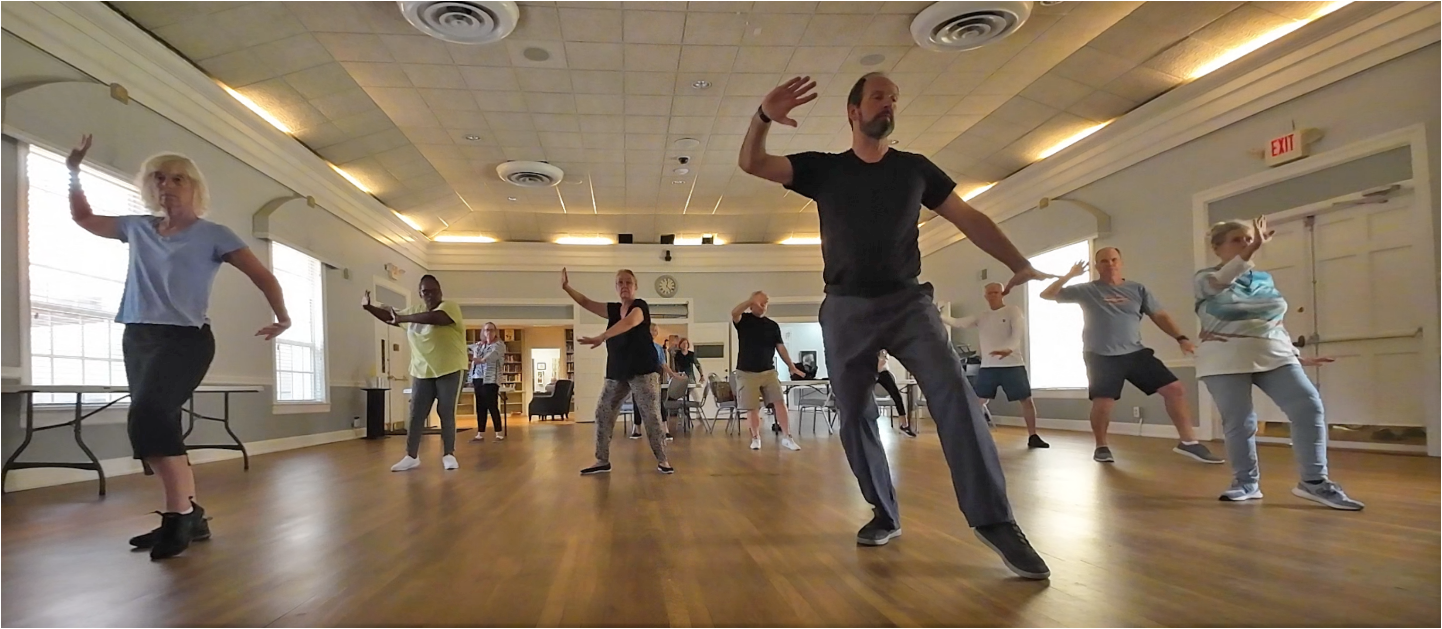
Energy Flow as Organ-to-Organ Transmission: Traditional Chinese Medicine (TCM) teaches that energy or “Qi” flows through the body in interconnected organ-to-organ patterns rather than simply circulating from the heart through the bloodstream. This insight reframes how we understand health and movement, emphasizing harmony and balance over mere exertion. This nuanced insight shifts the understanding of physical health from a single focal point to an interconnected system, encouraging movements designed to stimulate this flow comprehensively. This has profound implications for exercise design, rehabilitation, and even stress management, as it integrates bodily systems rather than isolating them.

Asymmetry Designed for Functionality: Unlike common exercise patterns that often emphasize symmetrical movement for balance, the asymmetrical nature of these movements mimics biological energy pathways and ensures each part of the body receives appropriate stimulation and energy transfer. This ergonomic approach enhances efficiency and may reduce the chance of injury or overuse affecting one side more than the other.

Breath Control and Relaxation Enable Deeper Energy Work: The synchronized breathing with physical movements, breathing in through the nose, out through the nose or mouth, and coordinating the tongue’s position, helps extend breath hold times, deepen relaxation, and conserve energy. The concept that tension reduces breath-holding capacity underscores the importance of mental calmness in physical performance and recovery, highlighting a mind-body connection often overlooked in Western fitness paradigms.

Joint Mobility and Energy Flow are Interlinked: The closing set’s focus on gently bending and releasing the major joints (shoulders, elbows, wrists, hips, knees, ankles) points to the joints as critical nodes for energy flow, not merely as mechanical hinges. This combined physical and energetic approach maintains joint flexibility and promotes a harmonious rhythm throughout the body, potentially preventing stiffness, spasms, and cramping after exercise.

Energy ‘Bank Account’ Metaphor Offers Sustainable Health Insight: By likening the body’s core energy center to a bank account, the practice teaches the value of replenishing energy rather than depleting it exclusively by movement. This metaphor aligns with modern concepts of energy management, self-care, and sustainability, emphasizing rest and recovery as essential for long-term health benefits, key for athletes, seniors, and anyone seeking balanced vitality.

Cultural Philosophy Enriches Physical Practice: The inclusion of the “Bagua,” concept of the figure 8 symbol, at the end of the session introduces a philosophical dimension, uniting physical movement with symbolic meaning. This connection elevates the practice beyond exercise, fostering a deeper sense of continuity, timelessness, and community among participants. It also implies that practice is not just a physical routine but a lifelong commitment to health and awareness.

Longevity and Community Consistency Demonstrate Effectiveness: The fact that this class has been ongoing since 1997 illustrates the adaptability and effectiveness of these principles, as well as the strong community bonds formed among practitioners. The longevity also suggests that such practices can be sustainable and valuable throughout the decades, accommodating newcomers while preserving foundational wisdom. This longevity is a testament to the alignment of tradition with evolving modern health needs.

The video discusses a holistic approach to energy flow in the body, rooted in traditional Chinese medicine and similar philosophies. Unlike typical Western exercise which focuses primarily on cardiovascular activity and the heart, the practice highlighted here emphasizes the flow of energy through a sequence of organs and body parts, following natural patterns rather than symmetrical movements. This method promotes balanced and harmonious movement of energy and blood circulation throughout the body, providing greater overall health benefits.

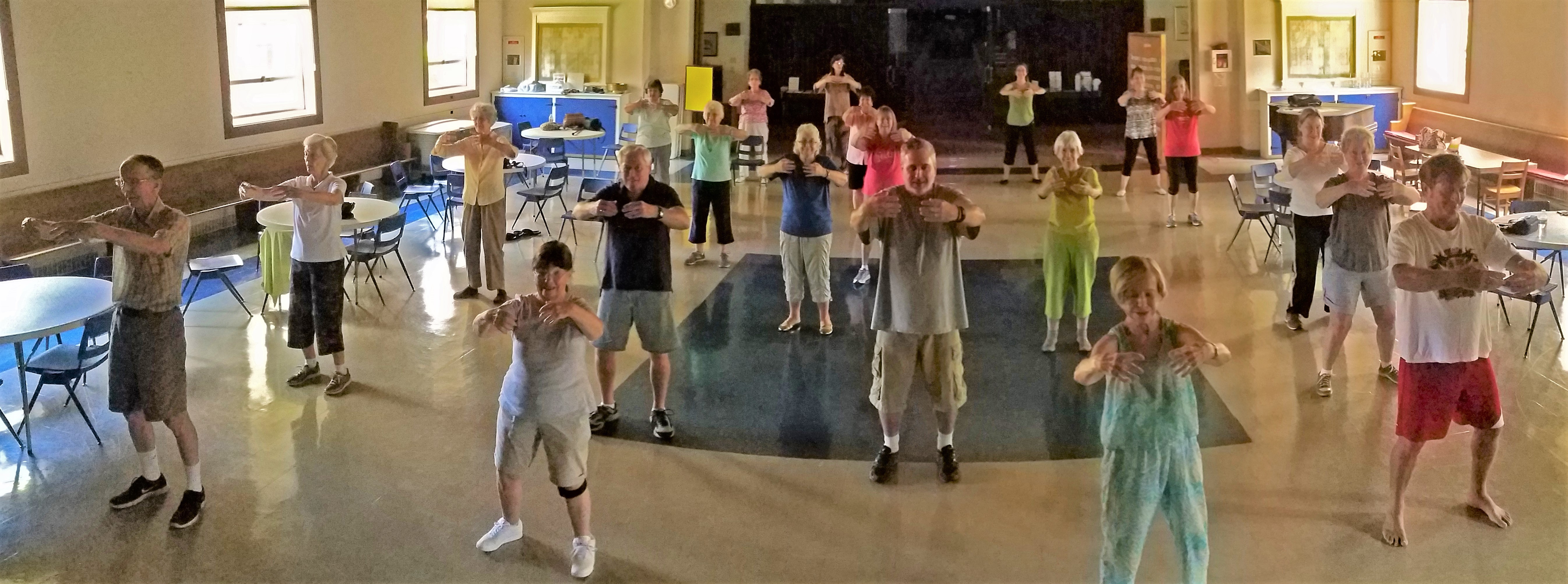
I guided participants through a closing set of movements designed to relax the major joints of the shoulders, elbows, wrists, hips, knees, ankles, while synchronizing breathing with mindful body awareness. This gradual cool-down process helps prevent muscle cramps and spasms common after mild or intense physical activity by gently bringing energy back to the body’s core “battery” or “bank account.” The collective movement and breath control encourage relaxation and prolonged breath holding through deliberate tension and release.

This holistic system blends ancient philosophy, breath work, energy theory, and joint mobility into one integrated practice. Rather than isolating fitness goals, it cultivates harmony between body and mind, reflecting the essence of Traditional Chinese Medicine: balanced energy, sustained vitality, and conscious movement.

Acupressure and Holistic Health

The video presents an in-depth discussion and practical demonstration, focusing on the importance of hand health, self-care, and Traditional Chinese Medicine (TCM) principles applied to modern wellness practices. Starting with a critique of the current American healthcare system, I contrast “sick care” with “self-care,” emphasizing personal responsibility in maintaining health through exercise, nutrition, and mindfulness. I introduced foundational concepts, such as the Five Pillars (physical movement, diet, sleep, stress management, and social interaction) and the principles of Yin and Yang, explaining their scientific roots in geometry and balance.

I elaborate on the Chinese philosophy of the Five Elements theory (fire, earth, metal, water, wood), correlating them with organs and bodily systems, and explain the concept of meridians, or energy pathways throughout the body that traditional Chinese medicine targets to enhance health. The core practical component of the video focuses on hand exercises designed to strengthen grip, improve circulation, stimulate nerve endings, and activate energy flow through the meridians ending in the fingers. These exercises involve various techniques such as clapping, pinching, twisting, and massaging different parts of the hand and wrist.

I highlight the significance of grip strength especially in fall prevention and overall mobility in older adults, explaining how consistent practice can improve hand function and nervous system responsiveness. I also discuss cross-body movements and their cognitive benefits, drawing parallels to neurological therapies and developmental exercises like crawling, which engage both hemispheres of the brain.

Towards the end, I briefly touch on broader practices such as Tai Chi, Qigong, and reflexology, stressing their role in holistic health. I advocate using accessible tools like golf balls for foot massage to stimulate nerve endings and share practical advice on managing neuropathy and maintaining organ health through movement and energy balance. Throughout, I encourage self-awareness, gradual progression, and integrating these exercises into regular routines for preventive health.

Modern Healthcare Critique: I am somewhat critical of the U.S. healthcare system as reactive “sick care” rather than proactive health maintenance. I highlight that patients often receive prescriptions without addressing root causes like lifestyle or diet, which underscores a systemic issue driven by time constraints and financial incentives. This insight calls for a paradigm shift toward self-care and prevention.

Holistic Health Framework: The Five Pillars framework integrates physical, mental, and social health components, demonstrating the interconnectedness of well-being. By grounding this in Chinese philosophy, we can bridge ancient wisdom and modern health science, by striving to cultivate balanced living, requiring attention to multiple lifestyle factors simultaneously rather than isolated interventions.

Yin-Yang as Science: By explaining Yin-Yang through geometry and mathematics, I demystify what is often perceived as esoteric. This positions traditional Chinese medicine as a system based on observation, balance, and natural laws, reinforcing its credibility and potential integration with Western practices.

Hand Health and Meridian Stimulation: The hand exercises stimulate both physical and energetic systems, by strengthening muscles and tendons while activating nerve endings and meridian pathways. This dual approach enhances circulation, neural function, and energy flow, which is crucial for maintaining dexterity, preventing injury, and promoting healing, especially as people age.

Cross-Body Movements and Brain Health: Movements that cross the body’s midline engage both hemispheres of the brain, enhancing neural connectivity and cognitive function. This insight aligns with rehabilitation techniques for stroke patients and supports the use of such exercises in maintaining brain health and preventing cognitive decline.

Reflexology and Accessible Therapy: I emphasize practical, low-cost ways to stimulate nerve endings and improve energy flow, such as rolling a golf ball under the foot. This highlights the value of self-administered therapies for neuropathy and general well-being and the importance of engaging physically with one’s body.

Self-Care as Empowerment: A recurring theme is the empowerment that comes from taking ownership of one’s health through simple, consistent practices. By understanding how the body’s energy and nervous systems work, individuals can proactively manage their health, reducing reliance on medical interventions and improving quality of life.

Highlights

  • Critique of modern American healthcare as “sick care” and emphasis on the need for self-care.
  • Introduction of the Five Pillars of health rooted in Chinese philosophy: exercise, diet, sleep, stress management, and social interaction.
  • Explanation of Yin and Yang as a scientific geometric principle representing balance and opposites.
  • Overview of the Five Elements theory correlating elements with organs and bodily functions.
  • Demonstration of hand exercises to improve grip strength, circulation, and energy flow through meridians.
  • Discussion of cross-body movements and their role in cognitive stimulation and brain health.
  • Practical advice on foot reflexology and nerve stimulation using simple tools like golf balls.

This comprehensive approach combining philosophy, science, practical exercise, and self-awareness provide a holistic blueprint for health maintenance that transcends conventional medical models.

Better Breathing – University Club Holistic Health Discussion 11-14-2024

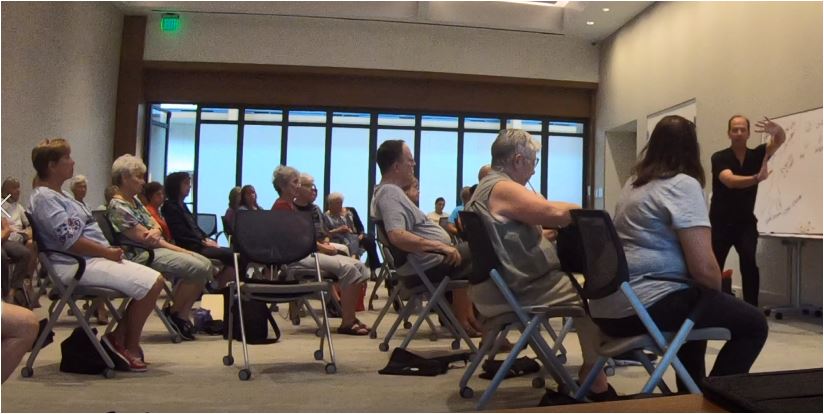
This video presents an in-depth discussion about the significance of breathing, particularly mindful and diaphragmatic breathing, as taught through martial arts practices such as Tai Chi and Qigong (chi gong). As an experienced martial arts and qigong instructor, I explained how breathing influences both physiological functions and mental states, emphasizing stress management and overall health.

Throughout the talk, the connection between breathing techniques and various health aspects like nervous system regulation, emotional balance, and physical fitness are explored. Practical guidance on how to breathe properly through the nose, from the diaphragm, and at a slower rate, is provided, alongside explanations of physiological responses to stress and relaxation. I integrate traditional Eastern perspectives like Traditional Chinese Medicine and Indian pranayama with Western science, offering a holistic view of breath as life force and energy circulation.

Various breathing exercises, including the well-known “box breathing” technique popularized by Navy SEALs, are demonstrated. The talk also covers how body posture, muscle engagement, and even acupressure points on the wrist can enhance the effectiveness of breathing techniques for reducing stress. The benefits of breath control extend beyond physical health to include emotional well-being by triggering the release of positive neurochemicals such as dopamine, serotonin, oxytocin, and endorphins.

Viewers and attendees are encouraged to incorporate these breathing habits into daily life, regardless of age or mobility, for gradual but significant health improvements. The presentation references follow-up classes on topics such as bone health, balance, and mental awareness, underscoring the integrated approach to holistic wellness.

Breathing as a Gateway to Nervous System Regulation: The way we breathe directly influences the autonomic nervous system, shifting the balance between sympathetic (stress/fight or flight) and parasympathetic (relaxation/rest and digest) responses. Deep, slow, diaphragmatic breathing promotes parasympathetic dominance, effectively calming the heart rate and reducing cortisol and adrenaline production. This “biohack” empowers individuals to consciously modulate stress rather than passively endure it.

Diaphragmatic Breathing Optimizes Lung Capacity and Oxygenation: Breathing from the diaphragm rather than shallow chest breathing utilizes more of the lung’s capacity, encouraging better oxygen exchange and carbon dioxide elimination. This improves cellular respiration efficiency and energy production. Additionally, diaphragmatic breathing activates muscles beyond the diaphragm, including neck and rib muscles, enhancing lung expansion and circulation.

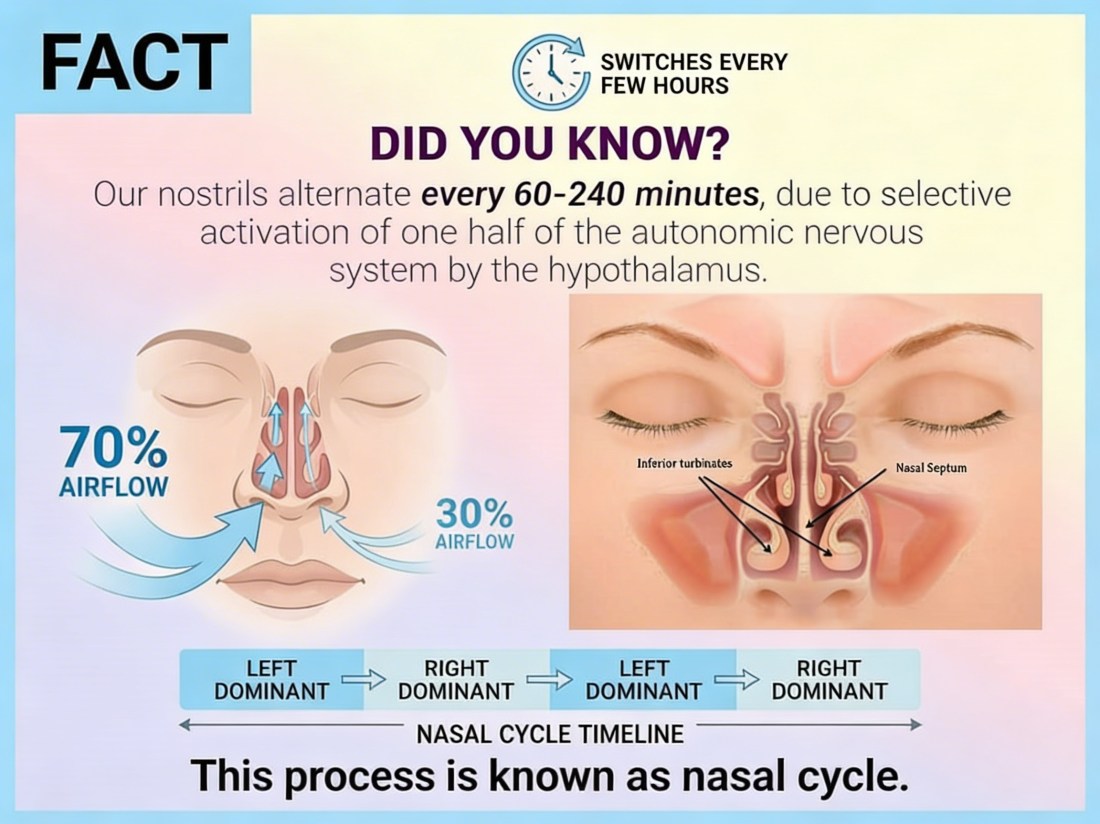
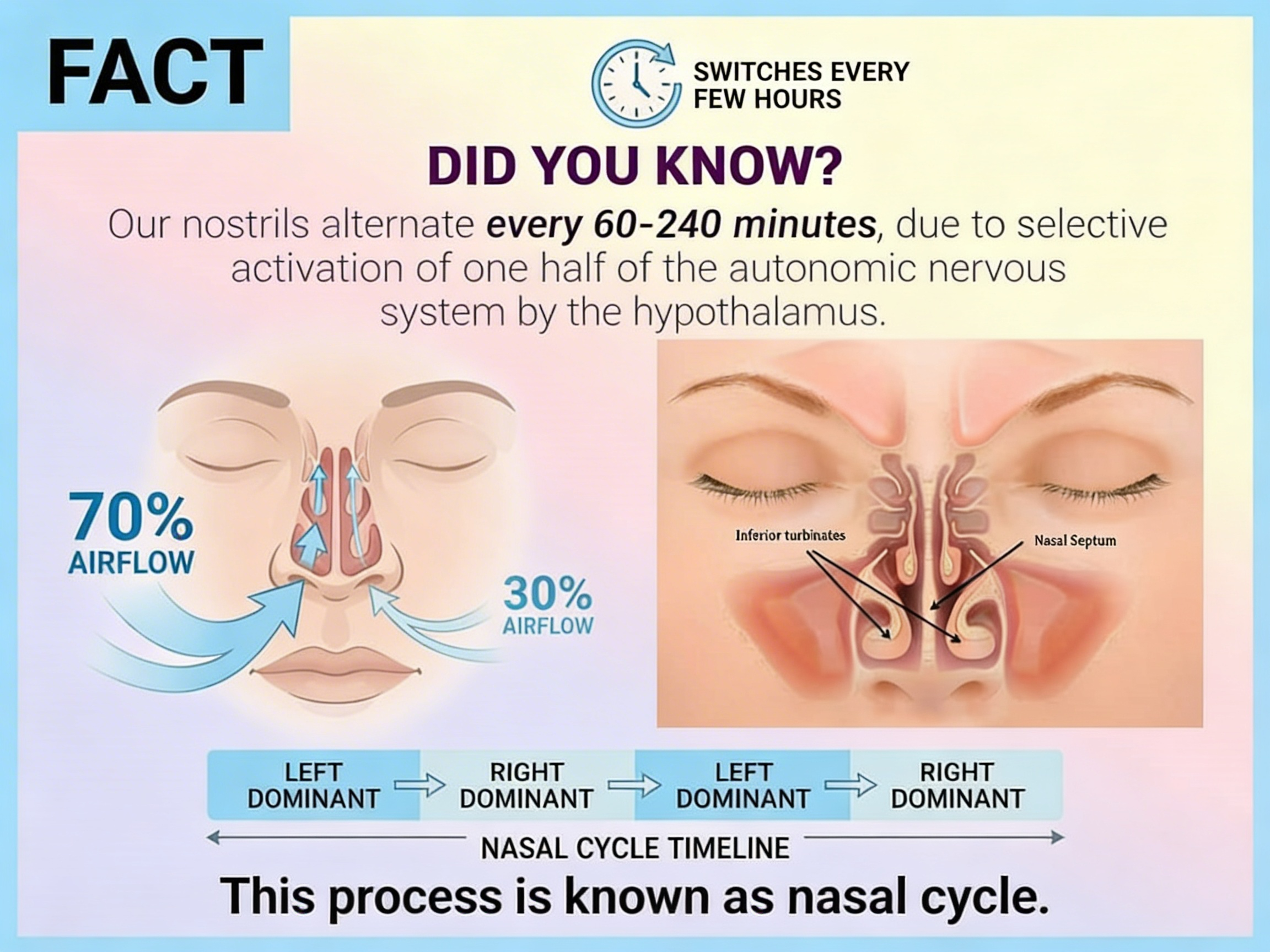
Nasal Breathing is Superior to Mouth Breathing: Breathing through the nose warms and filters air, increases nitric oxide production (a vasodilator improving blood flow), and supports moistening the airways. Mouth breathing tends to be shallow and less efficient, leading to dry mouth and potentially altered facial structure in children over time. Nasal breathing contributes to a slower, deeper breath pattern, essential for effective stress management and respiratory health.

Integration of Eastern Medicine and Western Physiology: The talk bridges traditional Chinese medicine’s concept of Qi (life force) and acupuncture meridians with scientific understandings of respiratory function and neurochemistry. This integrative view enriches the appreciation of breathing not just as a mechanical act, but as a method of modulating energy flow, emotional state, and health outcomes. Practices such as Tai Chi harness these ideas physically and mentally through movement and breath synchronization.

Box Breathing as a Mental and Physiological Tool: The “box breathing” technique engages both the breath and the mind to create a focused, rhythmic pattern that promotes relaxation and mental clarity. It is effective for reducing anxiety in high-stress professions (e.g., Navy SEALs) and can be adapted for everyday use. By focusing attention on the breath cycle, it breaks negative thought loops, anchors the mind, and physically signals the nervous system to shift towards calmness.

Physical Posture and Movement Enhance Breath Quality: Posture, spinal flexibility, and full-body engagement support deeper breathing. Twisting movements improve the elasticity of costal and vertebral joints, enhancing lung expansion capacity. Similarly, maintaining proper seated posture (e.g., sitting toward the edge of a chair with feet flat and relaxed shoulders) facilitates diaphragmatic breathing. Incorporating movements from disciplines like Tai Chi or yoga fosters holistic respiratory function.

Age and Breathing: Practical Benefits at Any Stage of Life: While lung and muscular function naturally decline with age, adopting breathing practices can slow that decline and improve quality of life at any age. Even individuals in their 60s and beyond can see meaningful improvements in stress reduction, oxygenation, and mental clarity by practicing mindful breathing consistently. The talk underscores lifelong learning and self-awareness as keys to ongoing health optimization.

Highlights

  • Daily mindful breathing through the nose and diaphragm improves physical and mental health.
  • Proper breathing slows down heart rate, calms the nervous system, and reduces stress hormones.
  • Box breathing (4 seconds inhale, hold, exhale, hold) helps anchor thoughts and manage anxiety.
  • Breathing influences brain chemistry, promoting dopamine, serotonin, oxytocin, and endorphins.
  • Wrist acupressure combined with breathing techniques can relieve anxiety and promote circulation.
  • Eastern traditions like Tai Chi and Qigong emphasize breath as vital energy or life force.
  • It’s never too late to benefit from improved breathing for longevity and well-being at any age.

The video provides a comprehensive foundation on how mindful breathing practices can be used as a simple yet powerful tool to enhance physical health, mental well-being, and emotional balance, drawing from traditional and modern knowledge systems. It encourages self-awareness, consistent practice, and integration of breath work into everyday life for lasting benefits.