Planting Poor Seeds of Misinformation

If someone teaches others using incorrect information, regardless of whether their intentions are good or whether the errors are made knowingly or unknowingly, they are planting seeds that will eventually need to be corrected. Misinformation has consequences. The longer it goes unchallenged, the more deeply it becomes rooted in the minds of students, making later correction more difficult.

Imagine attending a college or university for four years. You faithfully attend classes, study diligently, complete assignments, pass every examination, and ultimately earn your degree. You have invested thousands of hours of your life, significant financial resources, and an enormous amount of effort. Then, upon graduation, you discover that no other accredited college, university, licensing board, or employer recognizes your credentials because the institution was never legitimately accredited or accepted within the broader academic community. While you may have learned valuable skills and developed personally during your education, the credential itself carries little or no recognized value beyond the walls of that institution. The realization would likely be disappointing, frustrating, and perhaps even life-changing.

The same principle can apply in many other disciplines. Whether teaching arithmetic, grammar, history, science, or my particular concerns of yoga and martial arts, every educator assumes a responsibility to pursue accuracy, remain intellectually humble, and continually evaluate their understanding against credible evidence and recognized standards. Good intentions alone do not make inaccurate information correct. While sincere teachers deserve understanding rather than condemnation for honest mistakes, they also have an ethical obligation to acknowledge errors, correct them openly, and encourage their students to value truth over ego.

In fairness, many instructors who pass along inaccurate information are not intentionally deceptive. They are often teaching exactly what they themselves were taught by mentors whom they trusted and respected. In this way, misinformation can become multigenerational, passed from teacher to student and then from student to teacher. Breaking that cycle requires intellectual humility, a willingness to question long-held assumptions, and the courage to revise one’s understanding when compelling evidence points in a different direction

While institutions and instructors certainly bear responsibility for the quality of their instruction, students also have a responsibility to investigate, question, compare, and verify what they are being taught. Blind acceptance is rarely a substitute for thoughtful inquiry.

As both teachers and students, we should strive to build our knowledge upon foundations that can withstand thoughtful scrutiny. If we later discover that portions of our education were inaccurate, incomplete, or misrepresented, the appropriate response is not embarrassment or denial, but humility, curiosity, and a willingness to learn. Correcting our understanding may require additional time and effort, but it is far better to cultivate truth than to continue passing along misconceptions to the next generation. In doing so, we teach not only the subject itself, but one of the most valuable lessons of all: authentic education is a lifelong process of refinement, where intellectual honesty matters more than preserving one’s reputation, protecting one’s pride, or safeguarding one’s bank account.


Why U.S. Healthcare Costs Are So High – A System Out of Alignment

A Holistic Perspective on Price, Practice, and Prevention

The United States spends more on healthcare than any other nation in the world, yet it does not consistently produce better health outcomes. This paradox raises an important question:

Recent reporting highlights a central truth: the issue is not simply how much care Americans receive, but how the system is structured, priced, and incentivized (The Wall Street Journal, 2026).

The Price Problem: Paying More for the Same Care

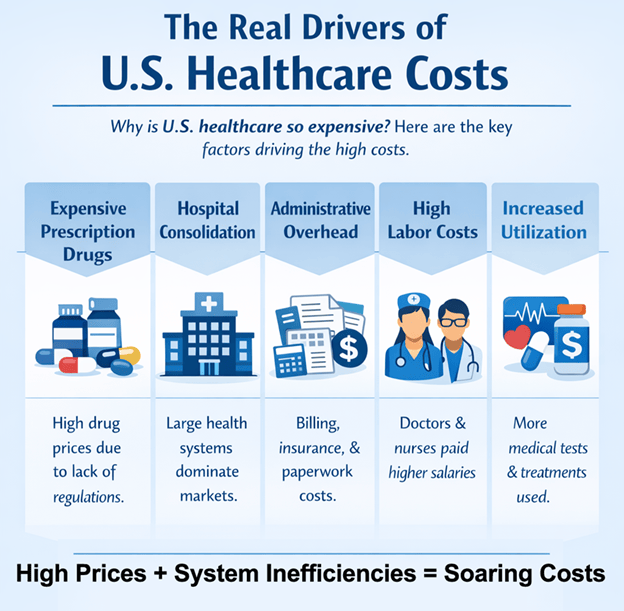
One of the most significant drivers of high healthcare costs in the United States is price inflation across nearly all services. Hospital stays, diagnostic tests, and procedures routinely cost far more than in other developed countries.

Unlike many nations that regulate or negotiate healthcare pricing, the U.S. system allows market dynamics, often dominated by large institutions, to dictate cost (Anderson et al., 2019). The result is a system where identical treatments can vary dramatically in price depending on geography, provider, and insurance arrangements.

Prescription Drugs: A Major Cost Driver

Prescription medications represent another critical factor. The U.S. is one of the few countries where drug manufacturers maintain substantial pricing power, often without strict government negotiation.

This leads to significantly higher costs for both patients and insurers, especially with the rise of new specialty medications, including those for chronic conditions and metabolic disorders (Cubanski et al., 2025).

Administrative Complexity: The Hidden Burden

Beyond clinical care, a large portion of healthcare spending is tied to administrative overhead. Billing systems, insurance claims processing, coding requirements, and compliance structures create a complex web of non-clinical expenses.

Research suggests that administrative costs account for a substantial percentage of total healthcare spending in the U.S., far more than in other countries with simpler systems (Woolhandler et al., 2003)

From a holistic standpoint, this represents energy and resources diverted away from actual healing.

Hospital Consolidation and Reduced Competition

Over the past two decades, hospitals and healthcare systems have increasingly merged into large networks. While consolidation can improve efficiency in some cases, it often leads to reduced competition and increased pricing power.

When fewer providers dominate a region, insurers have less leverage to negotiate lower rates, costs that are ultimately passed on to patients (Baker et al., 2015).

Labor Costs and Professional Compensation

Healthcare professionals in the United States are generally paid more than their counterparts in other countries, particularly physicians and specialists.

While this reflects the high level of training and responsibility required, it also contributes to overall system costs (Papanicolas et al., 2018). However, higher compensation alone does not explain the full disparity, pricing structures and system inefficiencies remain the dominant factors.

Utilization: More Care, Not Always Better Care

Americans also tend to use more healthcare services, including tests, procedures, and pharmaceutical treatments. In some cases, this reflects access to advanced technology and innovation. In others, it reflects defensive medicine, over-testing, or profit-driven care models.

Notably, increased utilization does not always translate to improved outcomes. In fact, excessive intervention can sometimes lead to unnecessary procedures, increased risk, and higher long-term costs (Brownlee et al., 2017).

A System Misaligned with Health

From a holistic health perspective, the deeper issue becomes clear:

Preventive strategies such as nutrition, movement, stress management, and community engagement, are often underemphasized or underfunded. Instead, the system incentivizes:

  • Procedures over prevention
  • Medication over lifestyle change
  • Intervention over education

This misalignment contributes not only to rising costs, but also to the growing prevalence of chronic conditions such as hypertension, obesity, and cardiovascular disease.

A Holistic Reflection

True health is not something that can be purchased at increasing cost. It is cultivated through daily habits, awareness, and personal responsibility.

While modern medicine offers extraordinary tools for acute care and life-saving interventions, it is not designed nor incentivized, to guide individuals toward long-term balance and resilience.

A more sustainable path forward may require a shift in perspective:

  • From treatment to prevention
  • From complexity to simplicity
  • From external dependence to internal responsibility

Conclusion

The rising cost of healthcare in the United States is not the result of a single factor, but rather a convergence of:

  • High service and drug prices
  • Administrative inefficiencies
  • Consolidated healthcare systems
  • Increased utilization

Ultimately, the system reflects its priorities.

And until those priorities shift toward true health rather than managed disease, costs will likely continue to rise, without a corresponding improvement in well-being.

References

Anderson, G. F., Hussey, P., & Petrosyan, V. (2019). It’s still the prices, stupid: Why the US spends so much on health care, and a tribute to Uwe Reinhardt. Health Affairs, 38(1), 87–95. https://doi.org/10.1377/hlthaff.2018.05144

Baker, L., Bundorf, M. K., & Kessler, D. (2015). The effect of Hospital/Physician Integration on hospital choice. National Bureau of Economic Research. https://doi.org/10.3386/w21497

Brownlee, S., Chalkidou, K., Doust, J., Elshaug, A. G., Glasziou, P., Heath, I., Nagpal, S., Saini, V., Srivastava, D., & Chalmers, K. (2017). Evidence for overuse of medical services around the world. The Lancet, 390(10090), 156–168. https://doi.org/10.1016/S0140-6736(16)32585-5

Cubanski, J., Neuman, T., & Freed, M. (2025, August 21). Explaining the prescription drug provisions in the Inflation Reduction Act. KFF. https://www.kff.org/medicare/explaining-the-prescription-drug-provisions-in-the-inflation-reduction-act/

Papanicolas, I., Woskie, L. R., & Jha, A. K. (2018). Health care spending in the United States and other high-income countries. JAMA, 319(10), 1024–1039. https://doi.org/10.1001/jama.2018.1150

The Wall Street Journal. (2026). Why U.S. healthcare costs are so high. https://www.wsj.com/health/healthcare/us-healthcare-cost-charts-0fccfc06

Woolhandler, S., Campbell, T., & Himmelstein, D. U. (2003). Costs of health care administration in the United States and Canada. New England Journal of Medicine, 349(8), 768–775. https://doi.org/10.1056/nejmsa022033

When Food Becomes the Problem

A Holistic Look at Diet, Disease, and the Modern Health Paradox

An estimated nearly half of American adults live with hypertension, a condition strongly associated with cardiovascular disease, stroke, and premature mortality (Centers for Disease Control and Prevention (High Blood Pressure Facts, 2025). At the same time, the modern food environment is saturated with sodium-rich, highly processed products, many of which dominate grocery shelves and restaurant menus.

This raises an important and uncomfortable question:

How did the very system designed to nourish us become one that so often contributes to chronic disease?

From a holistic perspective, this is not merely a nutritional issue, but rather it is a systemic imbalance involving food production, economic incentives, behavioral conditioning, and healthcare practices.

The Sodium Landscape and Hypertension

Sodium is essential for human physiology, playing a critical role in nerve conduction, muscle contraction, and fluid balance. However, excess sodium intake is a well-established contributor to elevated blood pressure, particularly in salt-sensitive individuals (He & MacGregor, 2009).

This creates a situation where individuals may unknowingly consume excessive sodium, even when attempting to make reasonable dietary choices.

Ultra-Processed Foods: The Hidden Driver

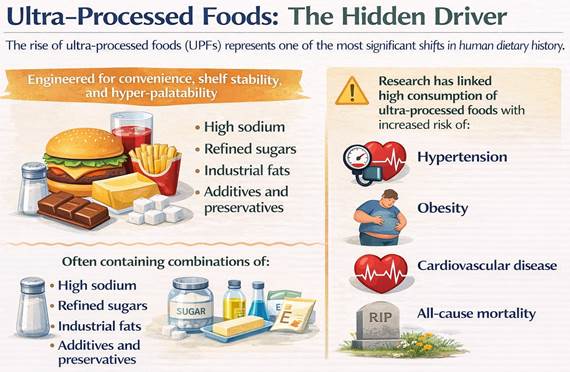
The rise of ultra-processed foods (UPFs) represents one of the most significant shifts in human dietary history. These foods are engineered for convenience, shelf stability, and hyper-palatability, often containing combinations of:

  • High sodium
  • Refined sugars
  • Industrial fats
  • Additives and preservatives

Research has linked high consumption of ultra-processed foods with increased risk of:

  • Hypertension
  • Obesity
  • Cardiovascular disease
  • All-cause mortality

(Monteiro et al., 2019; Srour et al., 2019)

Importantly, these foods are not inherently harmful because of a single ingredient, but because of their cumulative physiological impact and displacement of whole foods.

The Food–Healthcare Feedback Loop

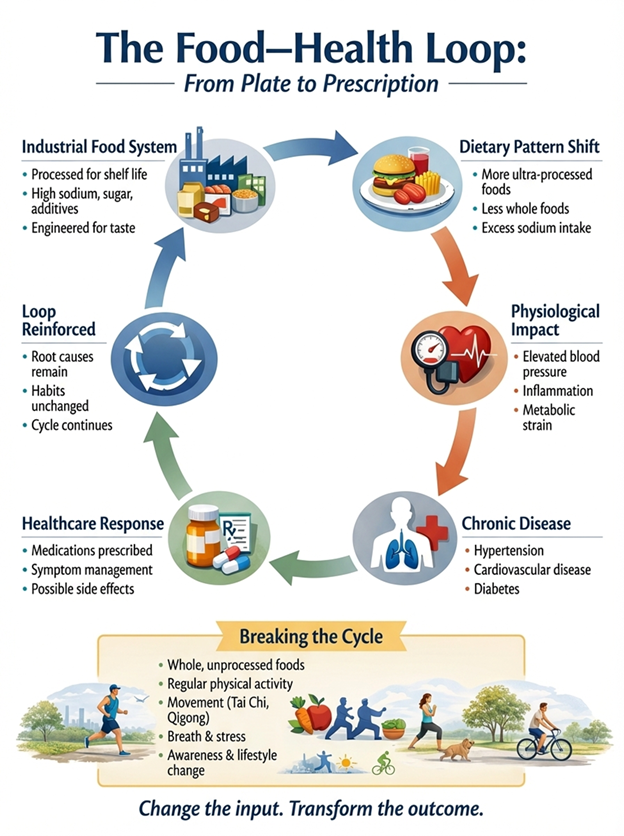
A growing concern among both professionals and the public is the emergence of what can be described as a “food–healthcare feedback loop.”

The Pattern

  1. Industrial food systems prioritize scale, profit, and shelf life
  2. Diets shift toward processed, nutrient-poor foods
  3. Chronic diseases (e.g., hypertension, diabetes) increase
  4. Healthcare systems respond with pharmaceutical management
  5. Root causes of diet and lifestyle remain insufficiently addressed

This is not necessarily the result of coordinated intent, but rather misaligned incentives across systems.

Healthcare systems are largely structured around disease management, while food systems are driven by economic efficiency and consumer demand.

A Holistic Interpretation

From a holistic and Traditional Chinese Medicine (TCM) perspective, the modern dietary pattern reflects a deeper imbalance:

  • Excessive intake of salty, greasy, and processed foods contributes to internal disharmony
  • Chronic stress and overstimulation elevate internal tension (analogous to sympathetic dominance)
  • Insufficient restorative practices weaken the body’s regulatory systems

In TCM frameworks, hypertension may be interpreted through patterns such as:

  • Liver yang rising
  • Phlegm-damp accumulation
  • Kidney deficiency

While the language differs, these interpretations parallel modern understandings of:

  • Nervous system dysregulation

  • Inflammation
  • Metabolic dysfunction

Reframing the Narrative: Beyond “Food as Poison”

It is tempting to conclude that “food is either medicine or poison.” While compelling, this binary oversimplifies a complex reality.

A more precise and functional understanding is:

The health impact of food is determined by dose, quality, context, and pattern over time.

Even sodium, often vilified, is essential in appropriate amounts. Likewise, not all processed foods are harmful, and not all natural foods are beneficial in excess.

The true issue lies in chronic overexposure to low-quality dietary patterns combined with underexposure to protective lifestyle behaviors.

Personal Agency Within a Systemic Problem

While systemic reform is important, meaningful change often begins at the individual level. Evidence consistently supports the effectiveness of lifestyle interventions in reducing blood pressure and improving overall health (Appel et al., 1997).

Key strategies include:

  • Emphasizing whole, minimally processed foods
  • Reducing reliance on packaged and restaurant meals
  • Increasing potassium-rich foods (e.g., vegetables, fruits)
  • Engaging in regular physical activity
  • Practicing stress management techniques (e.g., breathwork, meditation)

These approaches align closely with traditional practices such as tai chi, qigong, and mindful movement, methods that address both physiological and psychological dimensions of health.

In conclusion, the modern food and healthcare systems are not functioning in harmony with long-term human health. Like a body out of balance, they reflect patterns of excess, deficiency, and misalignment, contributing to the widespread rise in chronic disease. The widespread prevalence of hypertension reflects not a single cause, but a convergence of dietary, behavioral, and systemic factors.

Yet within this complexity lies opportunity. By returning to fundamental principles of consuming whole foods, mindful consumption, movement, and self-regulation, individuals can reclaim a significant degree of control over their health outcomes.

In this sense, food is neither inherently medicine nor poison. It becomes one or the other through the patterns we create and sustain over time.

References

Appel, L. J., Moore, T. J., Obarzanek, E., Vollmer, W. M., Svetkey, L. P., Sacks, F. M., … Karanja, N. (1997). A clinical trial of the effects of dietary patterns on blood pressure. New England Journal of Medicine, 336(16), 1117–1124. https://doi.org/10.1056/NEJM199704173361601

He, F. J., & MacGregor, G. A. (2009). A comprehensive review on salt and health. Journal of Human Hypertension, 23(6), 363–384. https://doi.org/10.1038/jhh.2008.144

High blood pressure facts. (2025, January 28). High Blood Pressure. https://www.cdc.gov/high-blood-pressure/data-research/facts-stats/?CDC_AAref_Val=https://www.cdc.gov/bloodpressure/facts.htm

Monteiro, C. A., Cannon, G., Levy, R. B., Moubarac, J.-C., Louzada, M. L. C., Rauber, F., … Jaime, P. C. (2019). Ultra-processed foods: What they are and how to identify them. Public Health Nutrition, 22(5), 936–941. https://doi.org/10.1017/S1368980018003762

Srour, B., Fezeu, L. K., Kesse-Guyot, E., Allès, B., Méjean, C., Andrianasolo, R. M., … Touvier, M. (2019). Ultra-processed food intake and risk of cardiovascular disease. BMJ, 365, l1451. https://doi.org/10.1136/bmj.l1451

The Nasal Cycle – Why We Breathe Through One Nostril

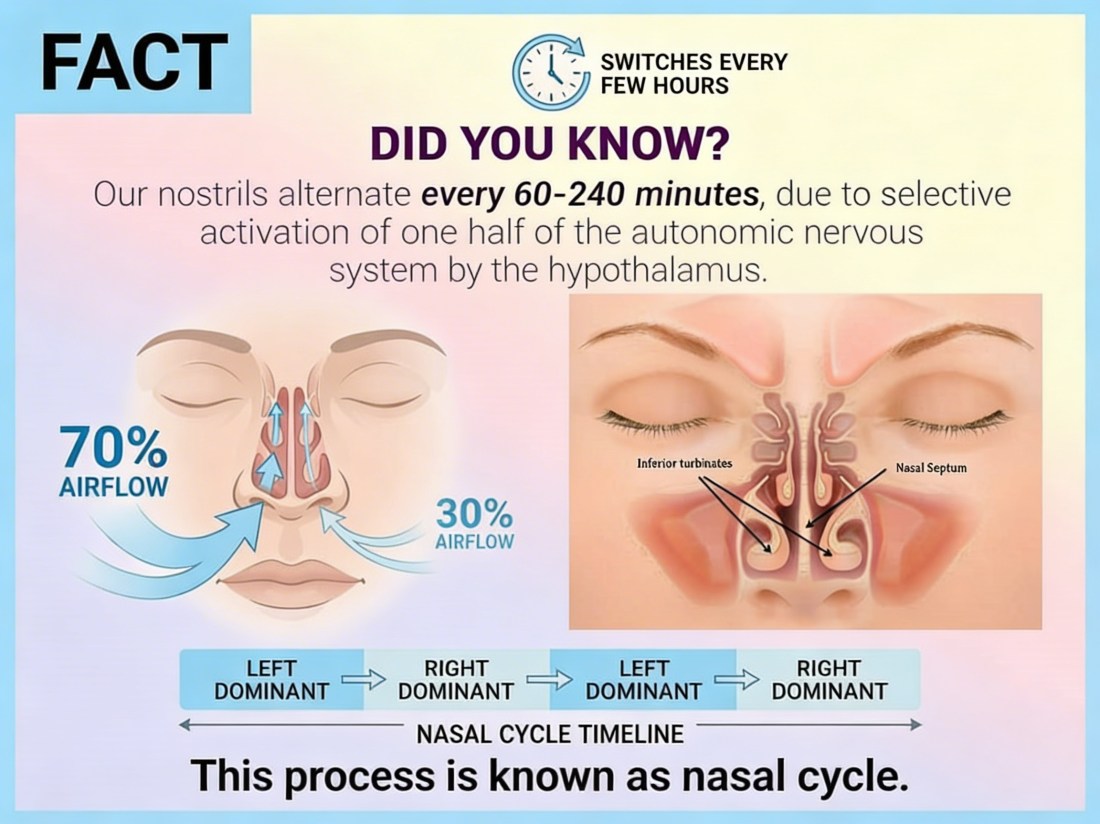
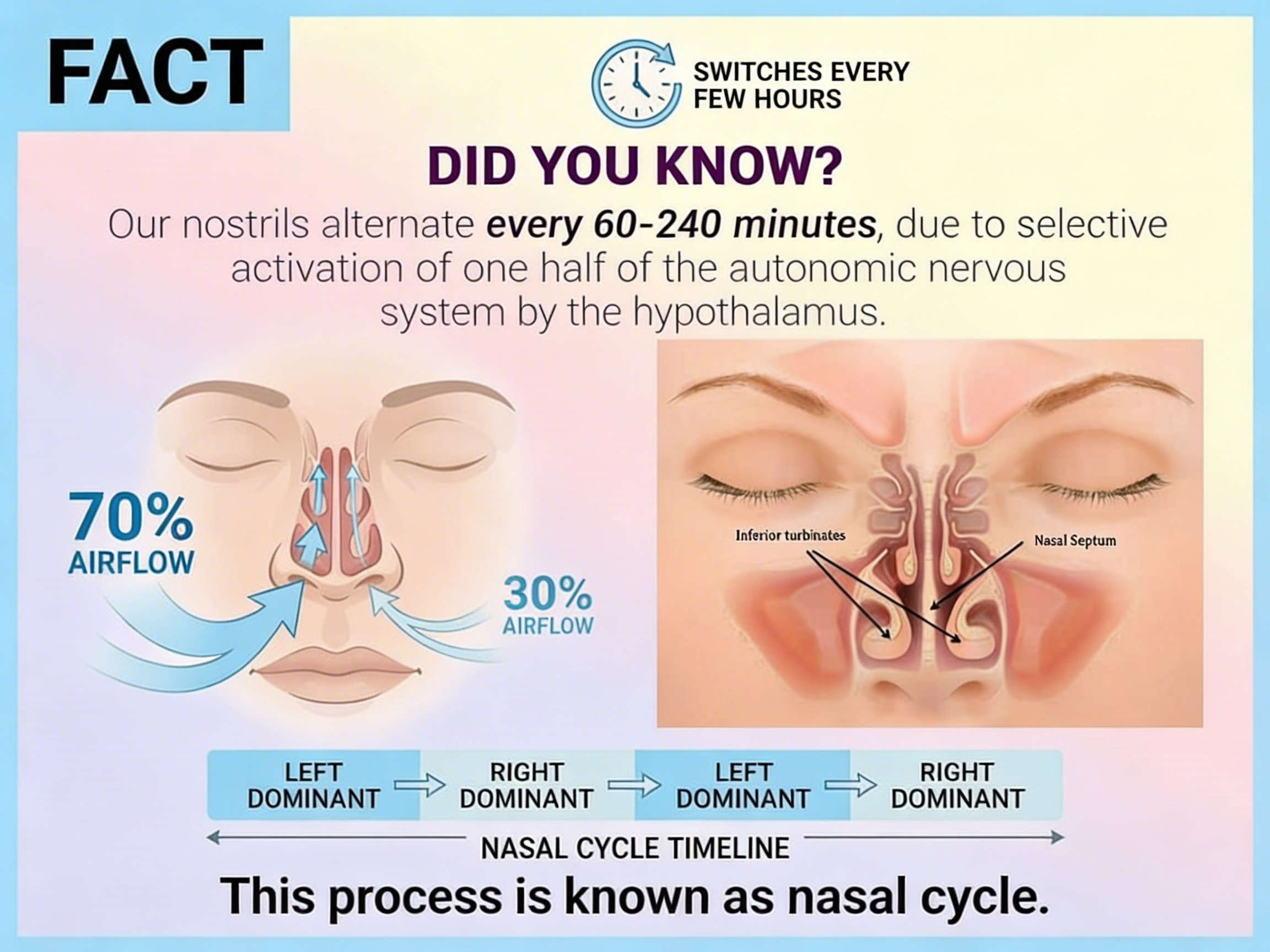
The nasal cycle is a natural, subconscious process where airflow alternates between the two nostrils approximately every two hours during wakefulness, with less frequent switching during sleep. This cycle involves one nostril becoming congested while the other decongests, allowing it to rest and repair from the drying effects and pathogen exposure caused by airflow. Regulated by the hypothalamus, the nasal cycle serves several vital functions: protecting the nasal lining, maintaining moisture and temperature of inhaled air, and defending against pathogens. Variations in nasal dominance have been linked to different physiological states, with the right nostril associated with alertness and the left with relaxation. Disruption of the nasal cycle can occur due to respiratory illnesses, allergies, medications, structural abnormalities like nasal polyps or deviated septum, and even body posture. Persistent nasal blockage lasting over two weeks warrants medical consultation, as it could indicate underlying infections or chronic conditions. Understanding the nasal cycle provides insight into nasal health and the importance of balanced airflow for respiratory wellbeing.

Highlights:

– The nasal cycle causes airflow to alternate between nostrils roughly every two hours. 

– The hypothalamus subconsciously regulates this alternating congestion and decongestion. 

– Alternating airflow protects and allows the nasal lining to rest, repair, and defend against pathogens. 

– Right nostril dominance is linked to alertness; left nostril dominance correlates with relaxation. 

– Respiratory infections, allergies, and certain medications can disrupt the nasal cycle. 

– Structural issues like nasal polyps and deviated septum impair nasal cycle function and airflow. 

– Body position, such as lying down, can temporarily affect nasal airflow and cycle functioning. 

Key Insights 

Nasal cycle frequency and function: The nasal cycle alternates dominance between nostrils approximately every two hours during waking hours to maintain nasal health. This regular alternation prevents one nostril from being overexposed to airflow, which can dry out mucous membranes and increase vulnerability to pathogens. The cycle slows during sleep as breathing volume decreases, reflecting a dynamic adaptation to physiological needs.

Hypothalamic control and neurological implications: The nasal cycle is controlled subconsciously by the hypothalamus, demonstrating an intricate link between autonomic nervous system regulation and respiratory function. Disorders affecting the hypothalamus can disrupt this cycle, indicating the nasal cycle’s potential as a window into neurological health and autonomic regulation.

Protective role against pathogen exposure and tissue damage: Air flowing through the nostrils carries not only oxygen but also pathogens and particulate matter. By alternating congestion, the nasal cycle minimizes continuous exposure of one nostril’s mucosal lining to drying and pathogens, allowing the congested side to recover and maintain mucosal integrity, which is crucial for immune defense.

Nostril dominance and physiological states: Research suggests that right nostril dominance correlates with heightened alertness or stress, while left nostril dominance is associated with relaxation. This phenomenon suggests that nasal airflow patterns might reflect or influence the autonomic nervous system’s balance between sympathetic and parasympathetic activity, offering potential applications in stress management and breathing therapies.

Impact of illness and external factors on nasal cycle: Conditions such as colds, flu, allergies, and overuse of nasal decongestants can severely impair the nasal cycle by increasing mucus production and causing inflammation. This disruption leads to persistent nasal blockage, reducing the effectiveness of nasal defense mechanisms and impairing normal airflow dynamics.

Structural abnormalities affecting nasal airflow: Physical changes such as nasal polyps and deviated septum limit air passage and interfere with the nasal cycle’s natural function. These abnormalities can cause chronic congestion and require medical intervention, including surgery, to restore proper airflow and improve breathing and quality of life.

Influence of posture on nasal airflow: Simple changes in body position, such as lying down or slouching, altering blood flow and sinus drainage, potentially blocking one nostril and disrupting the nasal cycle. This highlights how everyday behaviors can impact nasal physiology and respiratory comfort, especially during illness or allergy flare-ups.

This comprehensive understanding of the nasal cycle underscores its critical role in respiratory health, emphasizing the importance of maintaining nasal hygiene and seeking medical advice when nasal blockage is persistent or severe.

Reference:

This is why you only breathe out of one nostril at a time. (2026, March 8). CNN. https://www.cnn.com/2026/03/08/health/nostril-breathing-wellness-conversation

The Splinter Effect and the Body’s Adaptive Power: How Micro-trauma Builds Strength

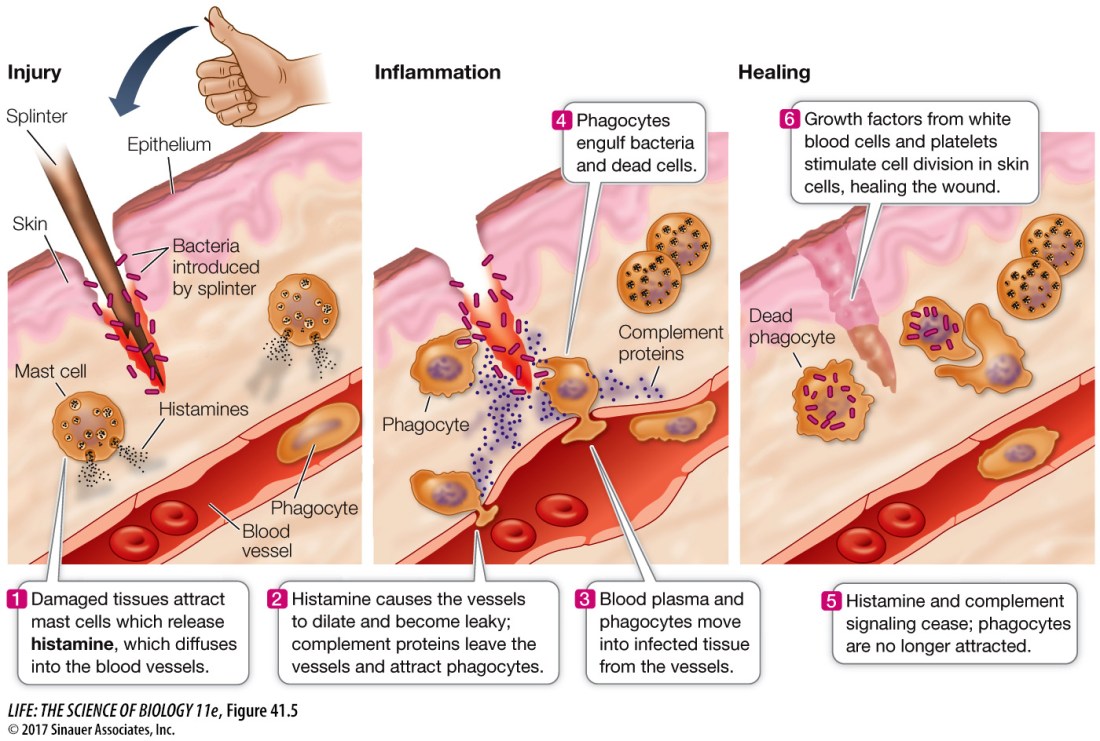
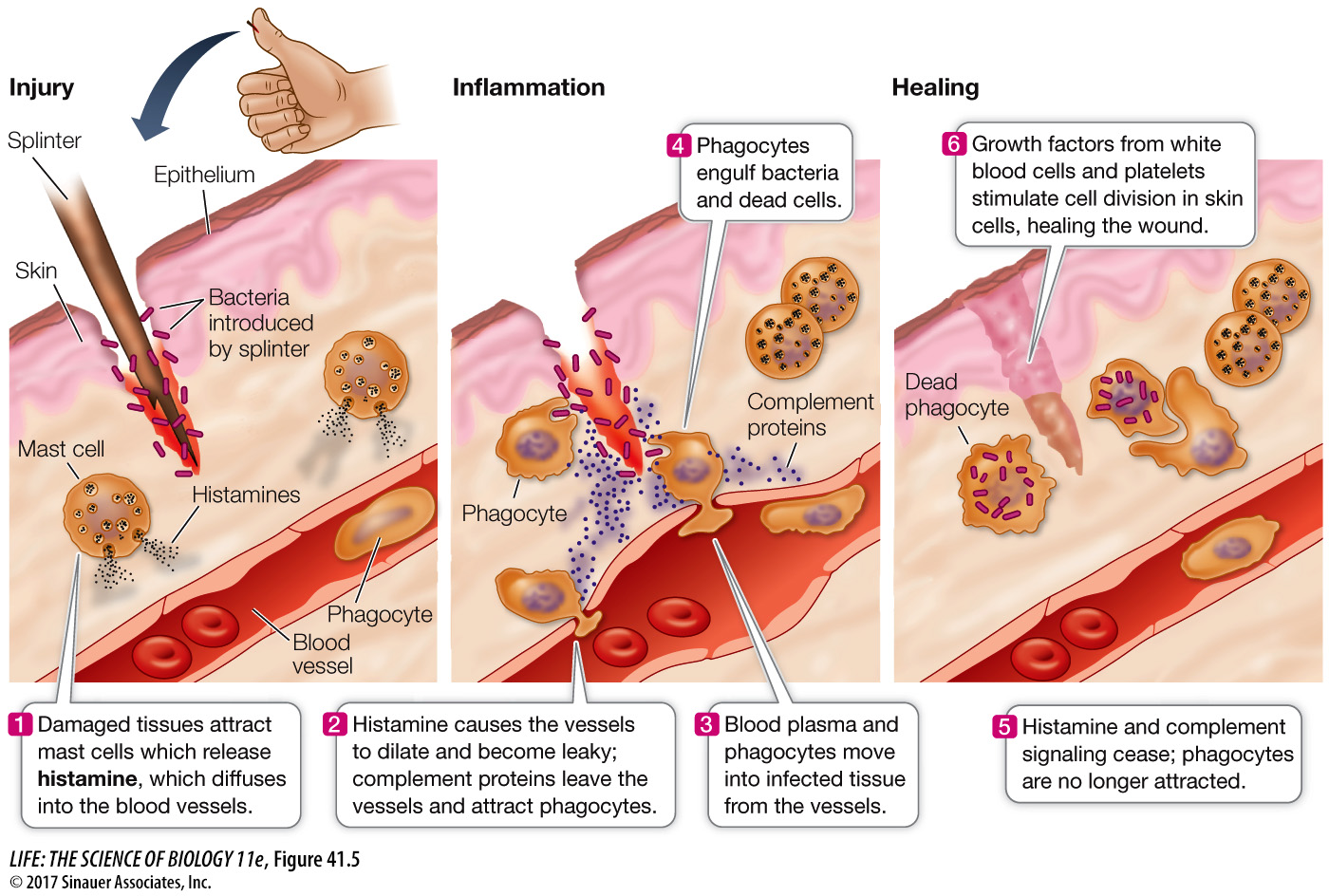
Our bodies are remarkably designed to respond, adapt, and grow stronger when exposed to controlled challenges. I have come to know of the body’s natural response to minor injuries, as The “Splinter Effect,” (Birch, 2003; Birch and Felt, 1999). This term highlights the cascade of vascular and immune responses that occur after a puncture (such as from a splinter) or trauma, illustrating the body’s ability to control damage, prevent infection, and facilitate tissue repair. This concept parallels established understandings of the inflammatory and healing processes, such as those detailed by Micozzi (2011).

(Life11e_Ch41, 2017)

Interestingly, this same biological principle applies to how the body responds to the small, intentional stresses placed on muscles, bones, and tissues through strategic physical exertion. This concept is also sometimes referred to as exercise-induced microtrauma, strategic or hermetic trauma. Just as the body heals and strengthens itself after encountering a splinter, it undergoes a similar process when recovering from the controlled damage caused by exercise, ultimately leading to increased strength, resilience, and adaptability.

Understanding the Splinter Effect

The Splinter Effect describes three distinct stages that occur in response to tissue damage:

1. Vasoconstriction: Immediate Defense (Duration: ~20 minutes)

  • Blood vessels constrict to minimize blood loss and prevent the spread of microorganisms.
  • The body contains the damage and initiates a defensive response.

2. Vasodilation: Recruitment of Immune Cells (Duration: 2 to 3 hours)

  • Blood vessels widen to allow white blood cells and immune cells to reach the injured tissue.
  • Increased circulation flushes out pathogens and initiates tissue repair.

3. Vasomotion: Microvascular Pumping (Duration: ~1 hour)

  • Microscopic vessels oscillate to facilitate the removal of debris and damaged cells.
  • Tissue is nourished, oxygenated, and prepared for repair and regeneration.

These vascular and metabolic changes ultimately promote healing and prepare the tissue for future challenges.


Exercise and the Microtrauma Connection: Building Strength Through Controlled Damage

When you engage in:

– resistance training

– high-intensity exercise

– strategic physical exertion

…you introduce a form of micro-trauma to your muscles, tendons, and bones. While this might sound detrimental, this micro-damage is essential for adaptation and growth. The body responds to this stress by initiating a process remarkably similar to the Splinter Effect:

1. Vasoconstriction and Inflammatory Response (Initial 20-30 Minutes)

  • Following intense exercise, tiny tears occur in muscle fibers, prompting an immediate vasoconstrictive response.
  • Just like with a splinter, the body temporarily restricts blood flow to prevent excessive swelling and contain the initial damage.

2. Vasodilation and Immune Activation (2 to 3 Hours Post-Exercise)

  • Shortly after the initial restriction, vasodilation occurs, allowing an influx of oxygen, nutrients, and immune cells to flood the damaged area.
  • Macrophages and neutrophils break down damaged cells while stimulating the release of growth factors that promote tissue repair.
  • This phase also enhances the removal of metabolic waste products like lactic acid, reducing post-exercise soreness.

3. Vasomotion and Tissue Remodeling (1 to 2 Hours After)

  • During this phase, the rhythmic pulsing of micro vessels helps flush away damaged tissue and enhances the circulation of oxygen and nutrients.
  • Fibroblasts and satellite cells initiate tissue repair, producing collagen and new muscle fibers to replace the damaged cells.
  • This process strengthens the tissue, making it more resilient to future stress.

Bone Adaptation and Microtrauma: Building a Stronger Framework

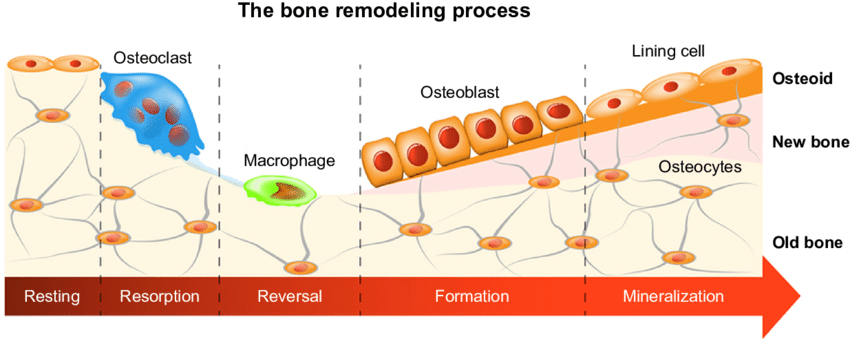
Exercise not only strengthens muscles but also stimulates bone remodeling through a similar process. When bones experience microtrauma from weight-bearing or high-impact activities:

  • Osteoblasts are activated to deposit new bone tissue.
  • Over time, bones become denser and stronger in response to increased mechanical stress.
  • This mechanism helps prevent osteoporosis and enhances bone resilience, especially when combined with adequate nutrition, including vitamin D and calcium.

The Role of Strategic Trauma in Cardiovascular Adaptation

Interestingly, the cardiovascular system also benefits from controlled stress. Aerobic and high-intensity interval training (HIIT) create microtrauma and oxidative stress within the vascular system:

  • Endothelial cells release nitric oxide, promoting vasodilation and improving blood vessel flexibility.
  • Over time, regular cardiovascular stress leads to the growth of new capillaries, enhancing circulation and oxygen delivery to tissues.

The Principle of Hormesis: What Doesn’t Kill You Makes You Stronger

The biological response to controlled microtrauma is an example of hormesis, a process where exposure to mild stress stimulates adaptive responses that strengthen the body. Just as repeated exposure to small challenges prepares the body for more significant threats, strategic trauma through exercise enhances strength, resilience, and longevity.

Examples of Hormetic Adaptations:

  • Strength Training: Microtears in muscle fibers stimulate growth and hypertrophy.
  • Cold Exposure: Promotes vasoconstriction and metabolic adaptation.
  • Heat Stress (Sauna): Enhances heat shock protein production and improves cellular repair.
  • Intermittent Fasting: Induces cellular autophagy and improves metabolic flexibility.

Applying the Splinter Effect to Holistic Health

The correlation between the Splinter Effect and exercise-induced micro-trauma highlights the body’s innate ability to adapt and thrive under controlled stress. To leverage this adaptive capacity, consider incorporating the following principles into your wellness routine:

1. Progressive Overload

Gradually increase the intensity, duration, or resistance of your exercise routine to continually challenge your body and promote adaptation.

2. Adequate Recovery

Just as the body needs time to repair after a splinter wound, adequate rest and recovery are essential for tissue repair and growth following intense exercise.

3. Anti-Inflammatory Nutrition

Support tissue healing by consuming anti-inflammatory foods rich in antioxidants, omega-3 fatty acids, and essential vitamins and minerals.

4. Mindful Stress Management

Manage external stressors to ensure that the body’s adaptive responses are not overwhelmed by chronic inflammation, which can inhibit proper healing and adaptation.


Conclusion: Strength Through Controlled Challenge

The Splinter Effect beautifully illustrates how the body responds to injury by initiating a cascade of vascular and immune responses that promote healing and strengthen tissues. This same biological mechanism underlies how strategic trauma through exercise and controlled stress transforms the body, enhancing strength, endurance, and resilience.

By understanding and embracing these natural processes, we can optimize our fitness, protect against injury, and cultivate a body that thrives under pressure, just as nature intended.

References

Birch S, Felt R. (1999) Understanding acupuncture. Churchill Livingstone: London

life11e_ch41. (2017). https://digfir-published.macmillanusa.com/life11e/life11e_ch41_40.html

Micozzi, Marc S. (2011) Fundamentals of Complementary, Alternative, and Integrative Medicine – E-Book (p. 536). Elsevier Health Sciences. Kindle Edition.

Peake, J., Neubauer, O., Della Gatta, P., & Nosaka, K. (2017). Muscle damage and inflammation during recovery from exercise. Journal of Applied Physiology, 122(3), 559-570. https://doi.org/10.1152/japplphysiol.00971.2016

Schoenfeld, B. J. (2010). The mechanisms of muscle hypertrophy and their application to resistance training. Journal of Strength and Conditioning Research, 24(10), 2857-2872. https://doi.org/10.1519/JSC.0b013e3181e840f3

I look forward to further sharing more of my message by partnering with hospitals, wellness centers, VA centers, schools on all levels, businesses, and individuals who see the value in building a stronger nation through building a healthier population.

I also have hundreds of FREE education video classes, lectures, and seminars available on my YouTube channel at:

https://www.youtube.com/c/MindandBodyExercises

Many of my publications can be found on Amazon at:

http://www.Amazon.com/author/jimmoltzan

My holistic health blog is available at:

https://mindandbodyexercises.wordpress.com/

http://www.MindAndBodyExercises.com

Mind and Body Exercises on Google: https://posts.gle/aD47Qo

Jim Moltzan

407-234-0119