
In a world saturated by screens, we’ve grown increasingly comfortable with fiction and disturbingly detached from reality. Hollywood and the broader entertainment industry have mastered the art of storytelling. But in doing so, they’ve also shaped belief systems, numbed emotional sensitivity, and altered the way people perceive violence, trauma, and even the value of life itself.
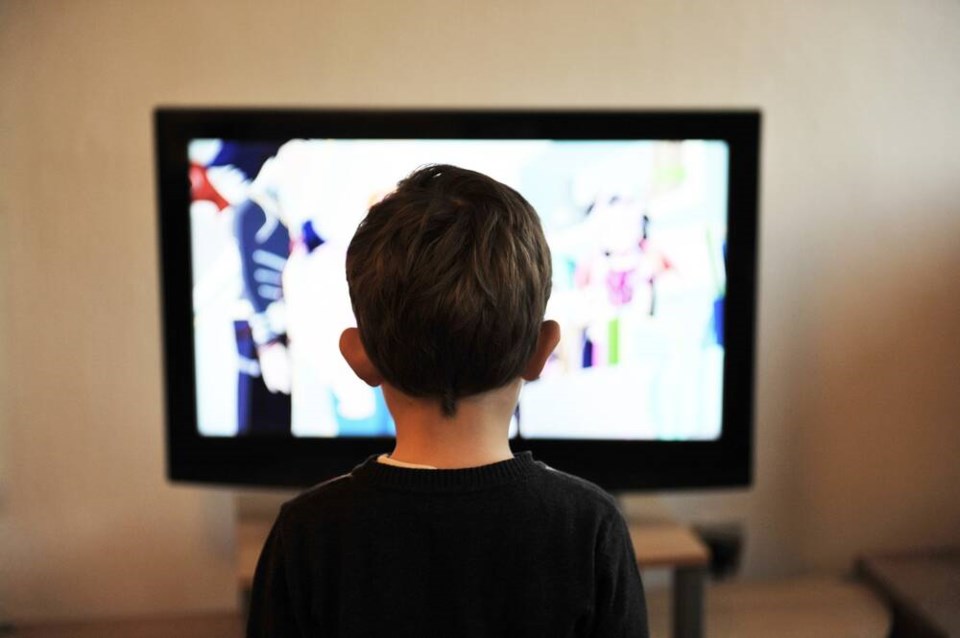
Television and film often depict firearms and violence with dramatic flair. Police officers re-holster their weapons carelessly, never checking to see if clothing or gear might catch the trigger, something that, in real life, could end in a tragic accident. Striker-fired firearms are shown making mechanical “cocking” sounds they don’t make. Characters rack their slides as if they didn’t already have a round chambered, an absurd notion in any tactical reality. These stylistic choices aren’t just errors; they are illusions that condition audiences, especially those with no firsthand experience, to misunderstand basic truths about safety, readiness, and consequences. These aren’t just cinematic tropes. They are forms of social psychological conditioning.
It doesn’t stop at guns. In the world of TV and movies, violence is almost romanticized. Characters get shot multiple times and continue fighting as if pain and blood loss were minor inconveniences. Others are beaten senseless, only to rally with a defiant quip. No one suffers hearing damage from repeated gunfire in enclosed spaces. No one shows the tremors, the dissociation, or the collapse that often follows real trauma. Instead, they move on, undamaged, both physically and emotionally.
And therein lies one of the most disturbing consequences of modern media: Desensitization.
We’ve reached a point where viewers can witness a character suffering what would be a fatal injury in real life and feel nothing. Not because they’re cold-hearted, but because the medium has trained them not to feel. Life on screen resets with the next episode. A person shot or killed vanishes into the storyline with little more than a dramatic soundtrack and a fade to black.
But in real life, death doesn’t come and go that easily. When someone dies, whether it’s a law enforcement officer, a civilian, or even someone who committed a crime, a ripple effect spreads. Families grieve. Communities are shaken. Colleagues carry guilt and trauma. Witnesses replay events in their minds for years. The emotional, spiritual, and psychological consequences last long after the physical event has ended.
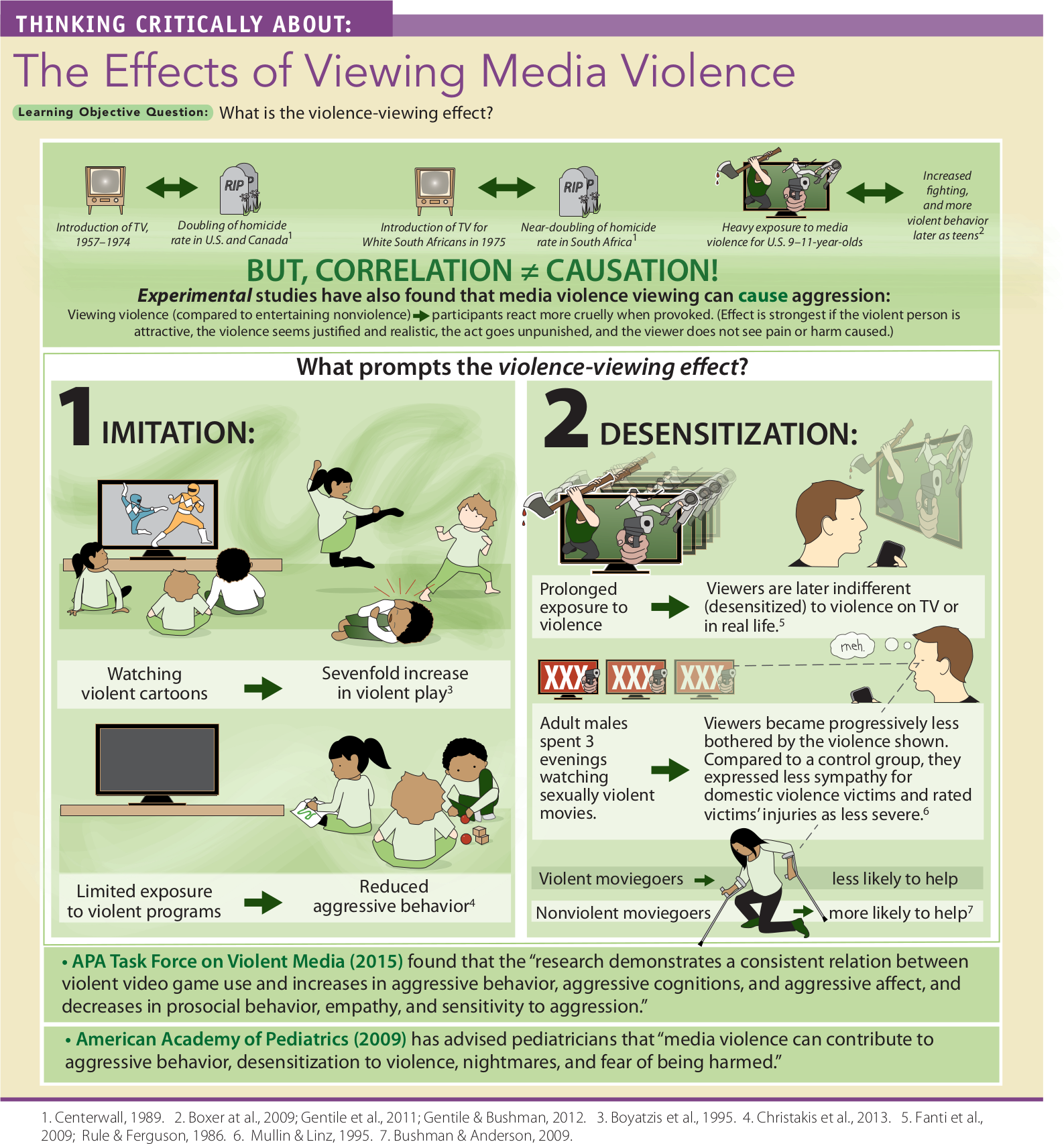
Hollywood doesn’t show this. It rarely shows the tears of a mother, the PTSD of a survivor, the hollow silence in a family’s home. It doesn’t explore the real-life breakdowns, the isolation, or the long path of emotional recovery. And so, people lose touch, not just with how trauma actually works, but with the value of life itself.
This disconnection is one of the greatest threats to modern wellness. Because true wellness is not just physical, it’s emotional, mental, and moral. It means feeling deeply. It means recognizing the weight of a life, even a fictional one. It means resisting the urge to become numb just because society finds comfort in distraction.
We are witnessing a cultural side effect of prolonged exposure to stylized violence: a loss of reverence for human life. It’s not enough to simply say “it’s just entertainment.” When entertainment becomes education, as it so often does, we must question what we are being taught. And what we are unconsciously absorbing. This is where social psychology and holistic wellness intersect. We are not just bodies reacting to the world. We are minds and hearts shaped by it. When the culture around us numbs our response to suffering, we lose our connection to empathy, discernment, and truth.
Holistic health isn’t just about food, exercise, or stress. It’s about awareness. Emotional, mental, spiritual. It’s the ability to stay awake in a world that lulls us to sleep through entertainment. It’s seeing through the illusion, and reclaiming our human response to life, death, and everything in between.
So let’s start noticing what we’re being shown. Let’s teach our young people that not everything on screen is real or right. Let’s cultivate empathy, emotional intelligence, and the courage to feel deeply in a culture that tells us to feel nothing.
We must reconnect as holistic practitioners, wellness seekers, and aware human beings. We must pull back from the illusion and sit in the truth: trauma is not glamorous. Violence is not clean. Death, no matter whose it is, is not an empty plot device.
So, let’s start by protecting not just our bodies, but our minds and hearts. Let’s choose awareness over apathy, and discernment over blind acceptance. Let’s challenge the stories we’re fed and hold space for the reality they often ignore. Because if we don’t, we risk becoming a society that feels nothing when life is lost. And that, more than any special effect, is the real tragedy.


I look forward to further sharing more of my message by partnering with hospitals, wellness centers, VA centers, schools on all levels, businesses, and individuals who see the value in building a stronger nation through building a healthier population.
I also have hundreds of FREE education video classes, lectures, and seminars available on my YouTube channel at:
https://www.youtube.com/c/MindandBodyExercises
Many of my publications can be found on Amazon at:
http://www.Amazon.com/author/jimmoltzan
My holistic health blog is available at:
https://mindandbodyexercises.wordpress.com/
http://www.MindAndBodyExercises.com
Mind and Body Exercises on Google: https://posts.gle/aD47Qo
Jim Moltzan
407-234-0119
 United Martial Arts Association